
Follicular unit extraction, or FUE, is the technique most Toronto patients ask for by name - and for good reason. Rather than removing a band of scalp, each hair follicle is lifted individually from the permanent zone at the back and sides of the head, then relocated to areas that have thinned. The only trace left in the donor area is a scattering of tiny, dot-sized openings that close over within a few days.
At Nova Medical Hair Transplant in Toronto, the plan comes before the procedure. Your consultation looks at how your hair is changing, how much healthy donor hair you have to work with, and where you are likely to keep losing ground over the next decade - so the design still makes sense as you age instead of looking dated in five years.
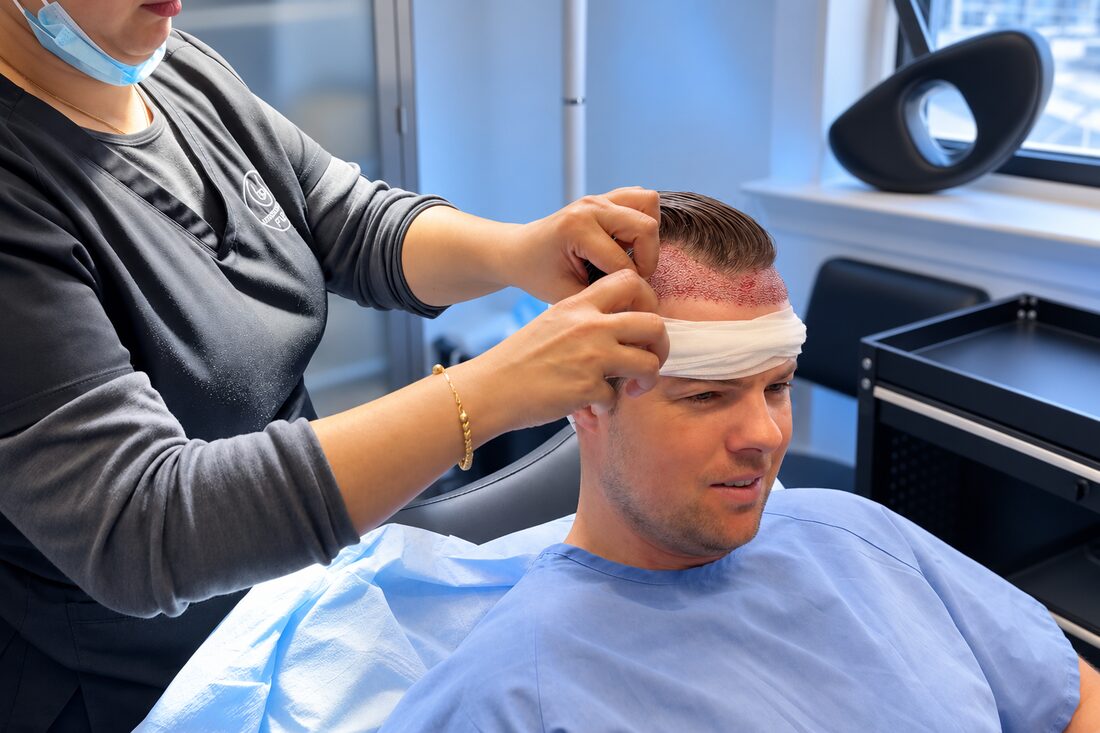
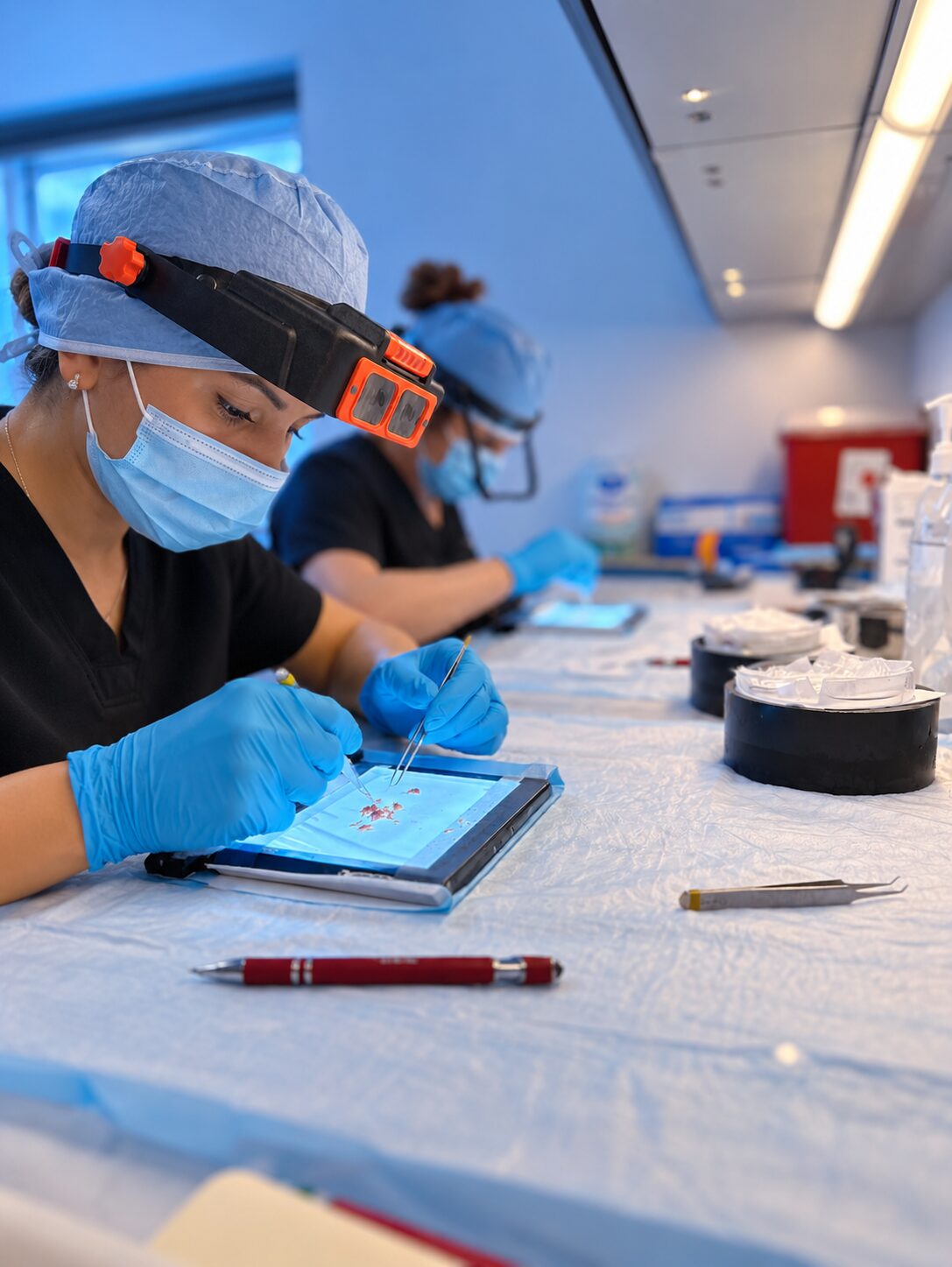
The extraction itself is carried out under local anaesthetic using a fine punch, one follicle at a time, and every graft is held in a chilled preservation solution to stay healthy until placement. Because there is no strip incision, there are no sutures to remove and nothing to cover up while the donor area settles.
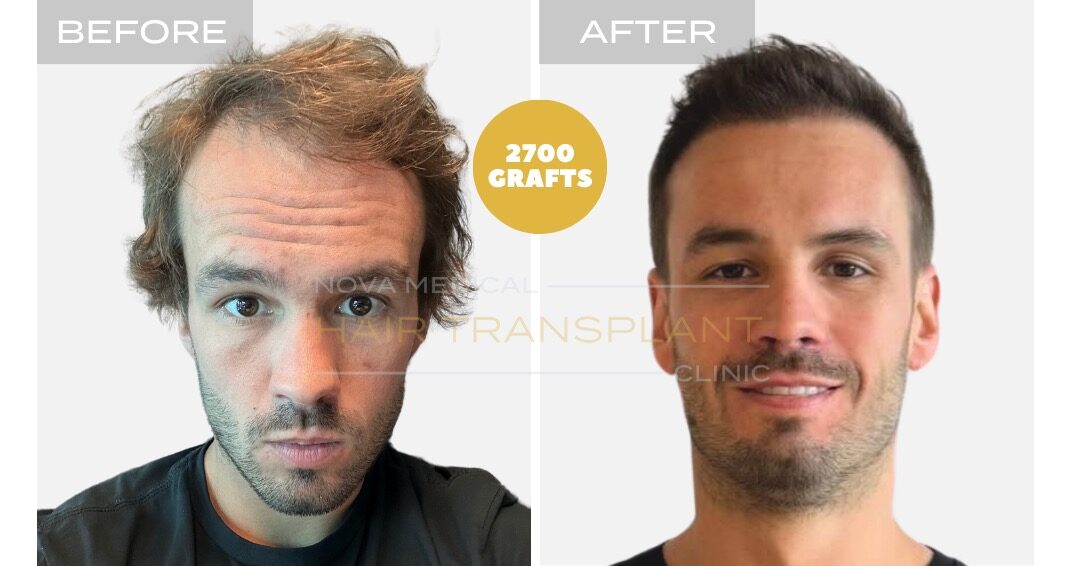
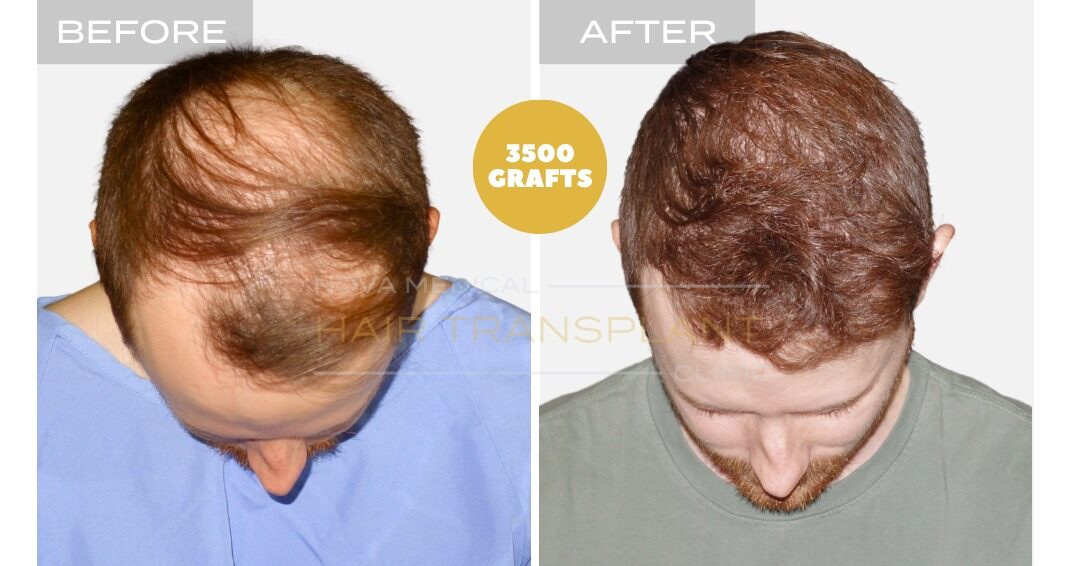
What ultimately decides whether a result looks convincing is placement - the angle each graft enters the scalp, how deep it sits, and how the units are spaced to echo the way hair naturally grows and clusters. Dr. Martin Jugenburg oversees that surgical plan for patients travelling in from across Toronto, Mississauga, Vaughan, and the wider GTA, with a single goal: hair that reads as your own.
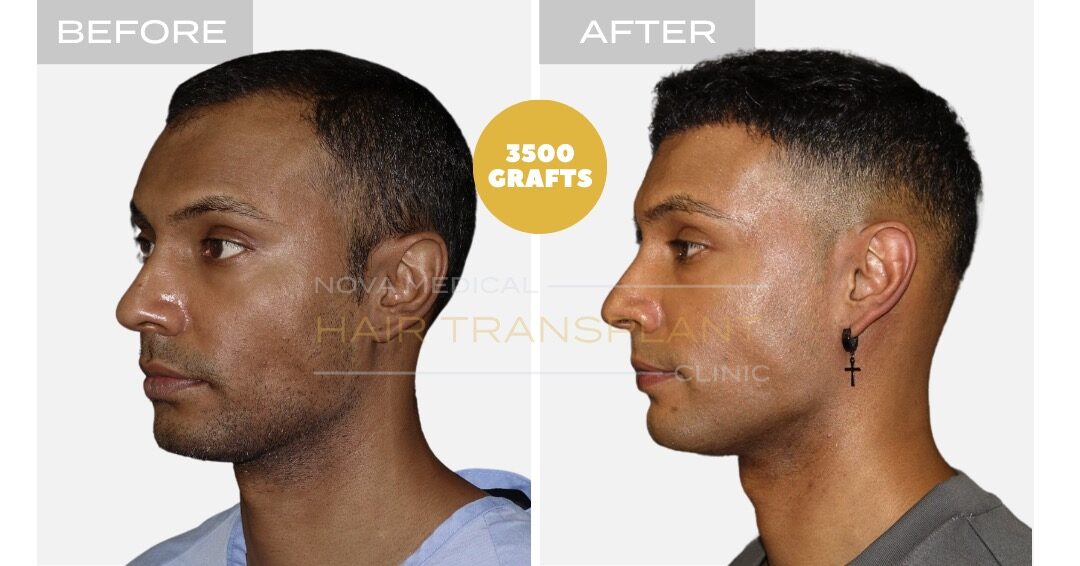
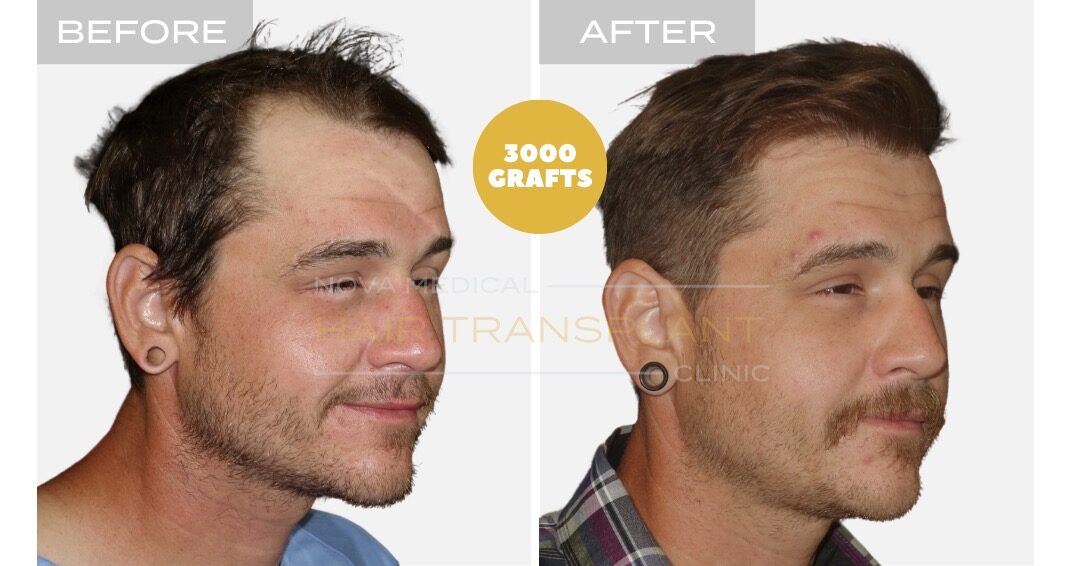
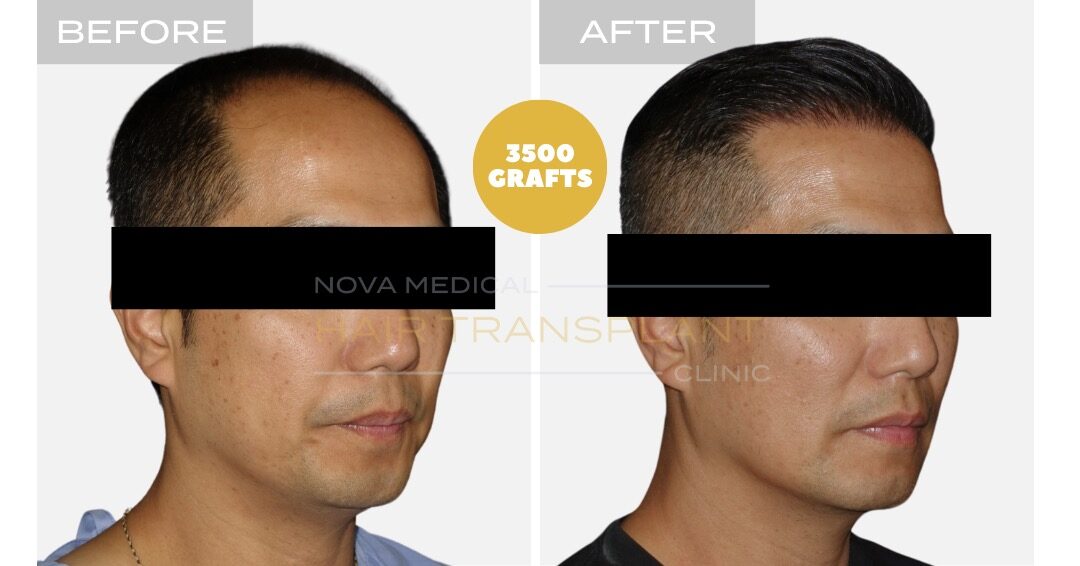
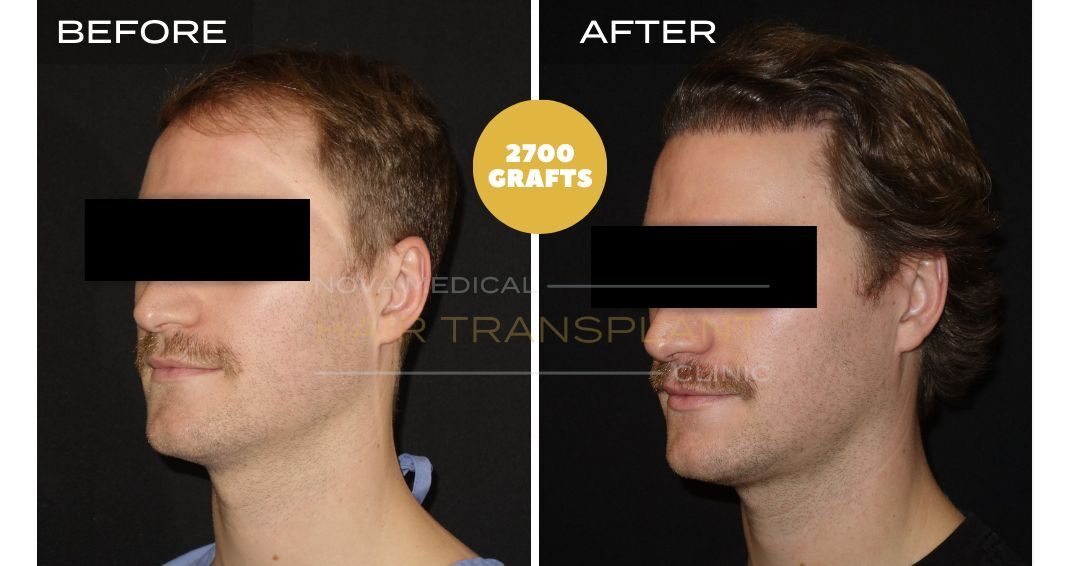
At your complimentary consultation, the team reviews your pattern of loss, measures donor density, and checks scalp health before mapping a plan built around your case - not a fixed package.
Your hairline is drawn to suit your face shape, age, and the way your hair falls, so the front row looks right today and still looks appropriate twenty years from now.
Working under local anaesthetic, individual follicular units are removed from the donor zone with a micro-punch. The small openings left behind heal within days and leave no linear scar.
Each graft is set into its own recipient site at a matched angle and depth, following the direction of your surrounding hair so new growth blends in rather than standing out.
Transplanted hairs shed within the first few weeks, regrowth begins around month four, and density keeps building until the result matures at roughly 12 to 18 months.
There is no flat price for an FUE hair transplant in Toronto, because no two scalps need the same work. What shapes your quote is the number of grafts, the size and design of the area being restored, your density goals, the strength of your donor supply, and whether you are correcting earlier surgery.
One patient may only need the hairline rebuilt; another needs coverage carried through the mid-scalp and crown. Pricing each case against your own anatomy and goals is the only way to give a figure you can rely on, which is why we quote after the assessment rather than before it.
Financing is available to spread the cost over time, and your consultation includes a plain breakdown of what is realistic, what is worth prioritising first, and what the investment looks like for your specific plan - with no pressure to book on the day.
Natural hair is the crown you never take off.
No obligation • Same-week availability
A typical FUE session in Toronto runs somewhere between four and ten hours, and the number of grafts is what moves that figure. A focused hairline case can be finished in an afternoon; a full-density restoration of several thousand grafts often fills the day, and very large cases are sometimes split over two consecutive days to protect the grafts.
Detailed as the work is, most patients find the day far easier than they expected. You stay awake and comfortable throughout, free to listen to music, watch something, check your phone, and break for food while the team works through the plan in stages.
The room stays private and unhurried from the first extraction to the last graft, so the day feels less like an operation and more like a long, careful appointment.
FUE tends to suit patients who want a minimally invasive option, a natural-looking hairline, and the freedom to wear their hair short without a linear scar showing. It is a particularly good fit when the donor area at the back and sides is strong enough to supply the grafts needed to rebuild the hairline or fill areas that have thinned.
The appeal of FUE comes down to a handful of practical advantages - for the donor area, for recovery, and for how the result holds up over the years.
Because follicles are taken one at a time, the donor area is left with tiny dot-shaped openings instead of a strip scar - so even a closely clipped or shaved style stays believable.
With no strip incision, there are no stitches or staples to remove. Most patients return to desk work within three to five days and to full activity inside two weeks.
Grafts follow the direction, angle, and density of the hair around them, so new growth settles in with your existing hair rather than looking transplanted.
The procedure is carried out under local anaesthetic alone, with no general sedation, and disturbs very little of the surrounding scalp tissue.
Follicles taken from the donor zone keep their resistance to DHT, the hormone behind pattern loss, so once they settle in they keep growing for life.
Straight, wavy, curly, and coily hair can all be transplanted well with FUE, which makes it a workable option across a wide range of hair textures and backgrounds.
Patients who had a strip procedure years ago often arrive with one request: make the donor scar harder to see. FUE can help by placing healthy follicles directly into and around the scar tissue, so hair grows through the line and breaks it up.
Since FUE adds no new linear scar of its own, it suits this kind of revision work well. The aim is not only to cover the scar but to blend the whole donor area so it reads evenly, particularly when the hair is worn short.
At Nova Medical Hair Transplant in Toronto, scar revision is planned around the width, texture, and condition of the existing scar, and how much healthy donor hair is left to work with. For many patients it makes a real difference to how comfortable they feel wearing their hair shorter again.
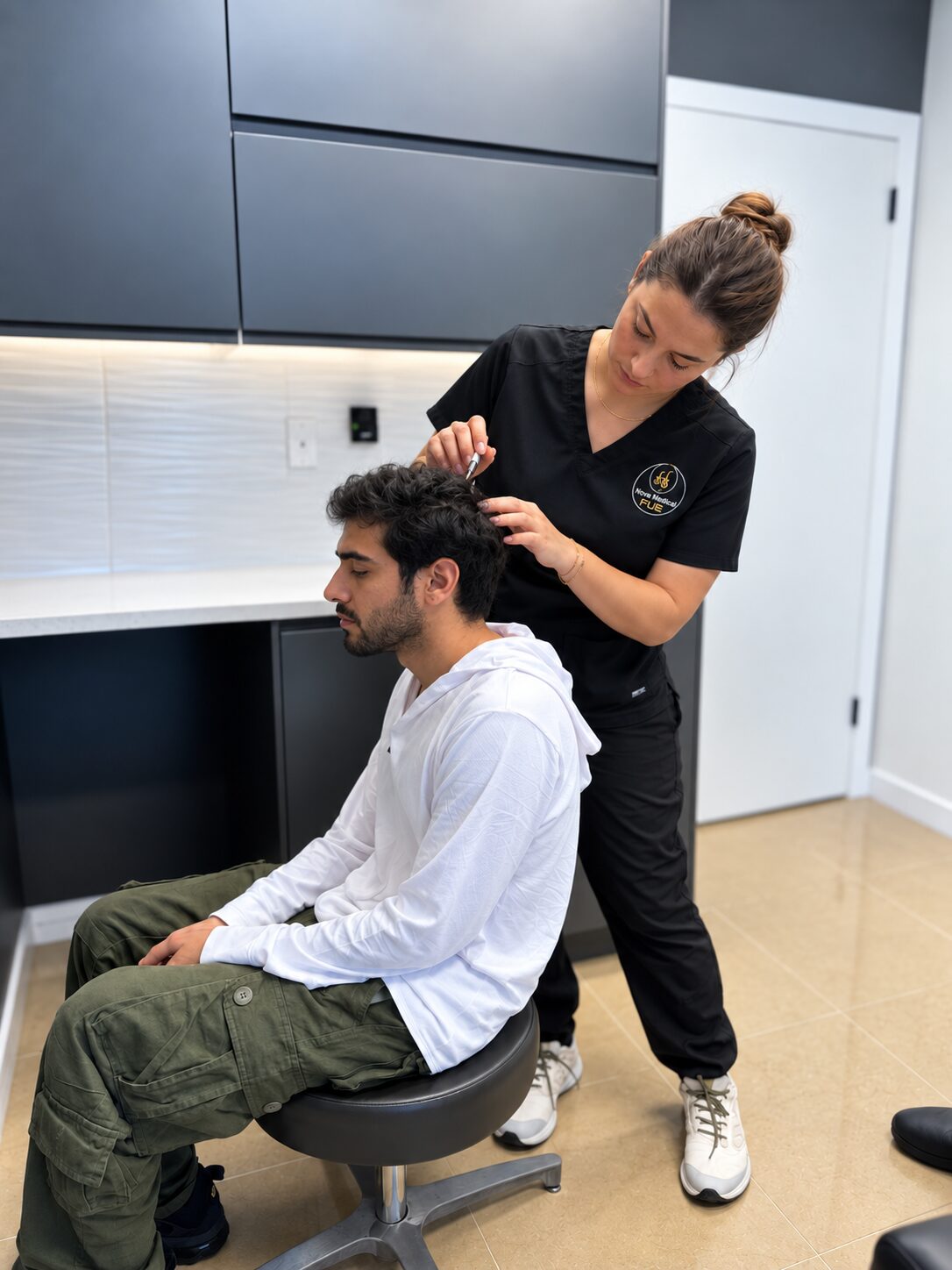
Choosing where to have a hair transplant is a personal decision. Most patients are weighing the difference between a clinic that simply moves grafts and one that treats the work as a design problem - where the result is meant to go unnoticed.
At Nova Medical Hair Transplant in Toronto, the emphasis is on discreet, natural work: unhurried consultations, honest planning, and surgery that protects your donor supply so you still have options later in life.
Every FUE procedure is overseen by Dr. Martin Jugenburg, a Royal College–certified plastic surgeon (FRCSC), and supported by a team that follows the same protocols on each case for the sake of consistency.
We also offer other hair restoration options - including DHI, beard, eyebrow, and women's hair restoration - so a plan can be built around you rather than forcing every case into the same procedure. If you would rather have results that do not look overdone, you are welcome to book a private consultation with our team.
Some medications and supplements thin the blood and can increase bleeding, so pause them only on your surgeon's advice. You will get a specific list to follow in the days before your procedure.
Nicotine and alcohol both work against circulation and healing, so cutting back or stopping in the week or two beforehand gives the grafts the strongest possible start.
Unless you are told otherwise, wash your hair thoroughly on the morning of surgery and arrive with a clean, product-free scalp so the day can start on time.
You go home the same day with the grafts in place and a written aftercare plan. Some swelling, tightness, or tenderness across the scalp is normal on the first night.
Most patients feel up to light activity around the house. The donor area can still feel sore, but the discomfort is usually easy to manage with the guidance you are given.
Swelling often peaks in this window and then eases. A little redness and early scabbing are expected, and you begin gentle washing exactly as instructed.
The scalp begins to calm down, and most patients feel noticeably more like themselves by the end of the first week.
The scabs start to flake away on their own. You can keep up light activity, but hold off on the gym and anything strenuous a while longer.
The transplanted hairs commonly shed around now. It can look alarming, but it is completely expected - the follicle stays put and resets for new growth.
Fresh hair starts pushing through. Early growth can look thin or patchy at first and fills in gradually over the following months.
The result reaches maturity, with the density, texture, and softness of the hairline continuing to improve through this period.
Recovery is one of the main reasons patients lean towards FUE in the first place. With no strip incision there are no sutures to manage, and most people are back to ordinary daily routines within a few days.
Small scabs form across the donor and recipient areas and usually clear within about a week. As they shed, the transplanted follicles move into a short resting phase before new growth begins - a normal part of the cycle, not a sign anything is wrong.
For most patients the downtime is very manageable and the aftercare is straightforward, provided the washing, sleeping, and activity instructions are followed closely through the first couple of weeks.