
A beard transplant is a minimally invasive procedure that uses follicular unit extraction, or FUE, to restore and build up facial hair for good. Healthy follicles are lifted one at a time from a donor area, usually the back or sides of the scalp, where the hair is dense and closely resembles beard hair in calibre and behaviour.
Those follicles are then set into the beard with careful control over the angle, direction, and depth of each site, so every transplanted hair follows the way a beard naturally grows and falls. Whether the goal is filling a patchy jaw, thickening sparse cheeks, covering a scar from an old injury or surgery, or simply defining a fuller shape, the result is designed to be permanent.
Because the work uses your own living follicles, the transplanted hairs grow, thicken, and behave like the rest of your beard once they settle in, and they stay for life. There are no synthetic implants, no ongoing treatments, and no upkeep beyond the grooming you would do anyway.
Dr. Martin Jugenburg oversees the surgical plan for patients travelling in from across Toronto, Mississauga, Vaughan, Markham, and the wider GTA. The emphasis throughout is on a beard transplant in Toronto that looks like hair you have always had, rather than something added on.
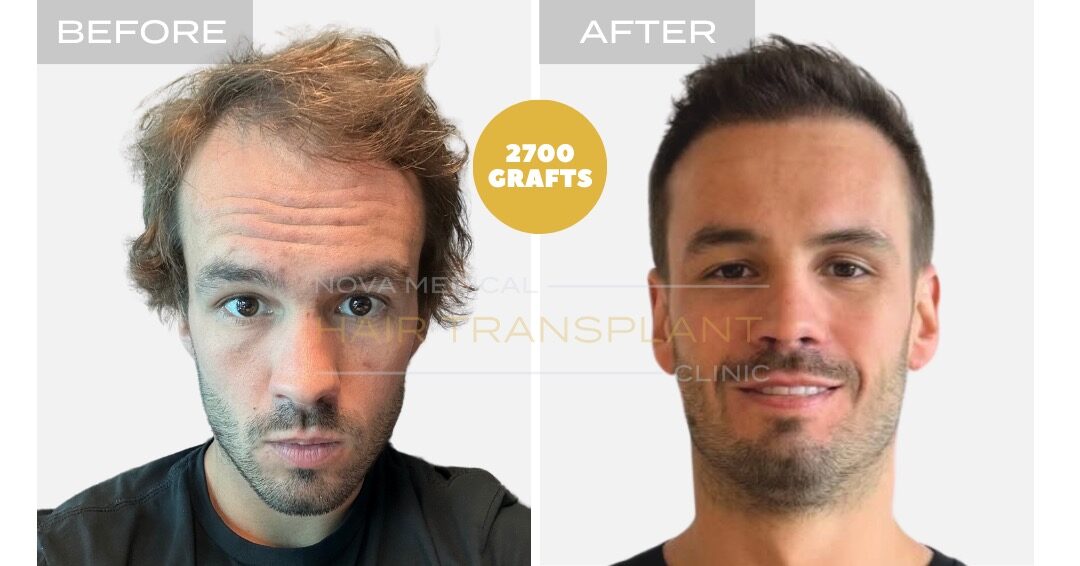
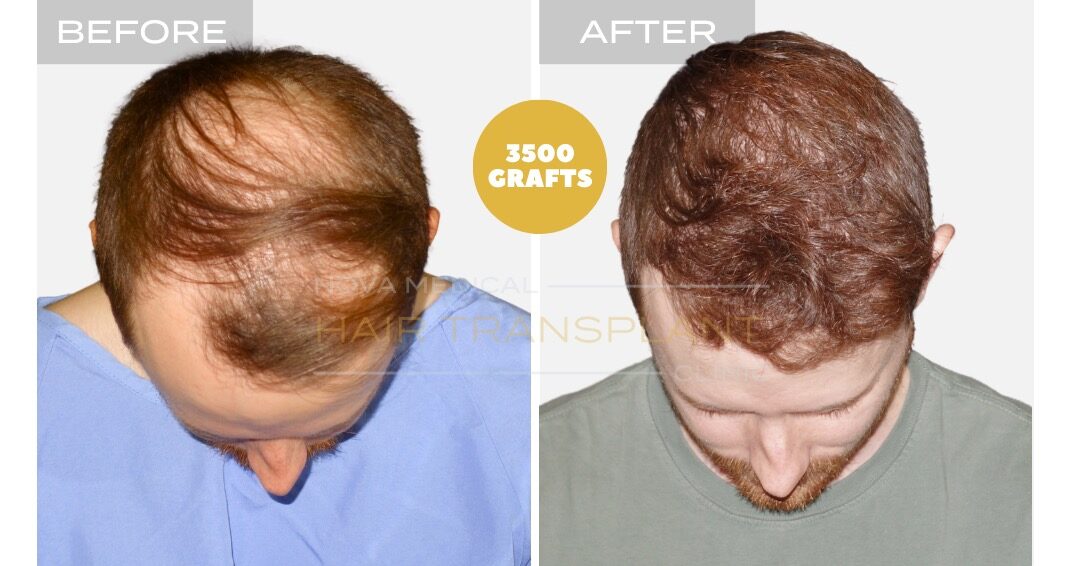
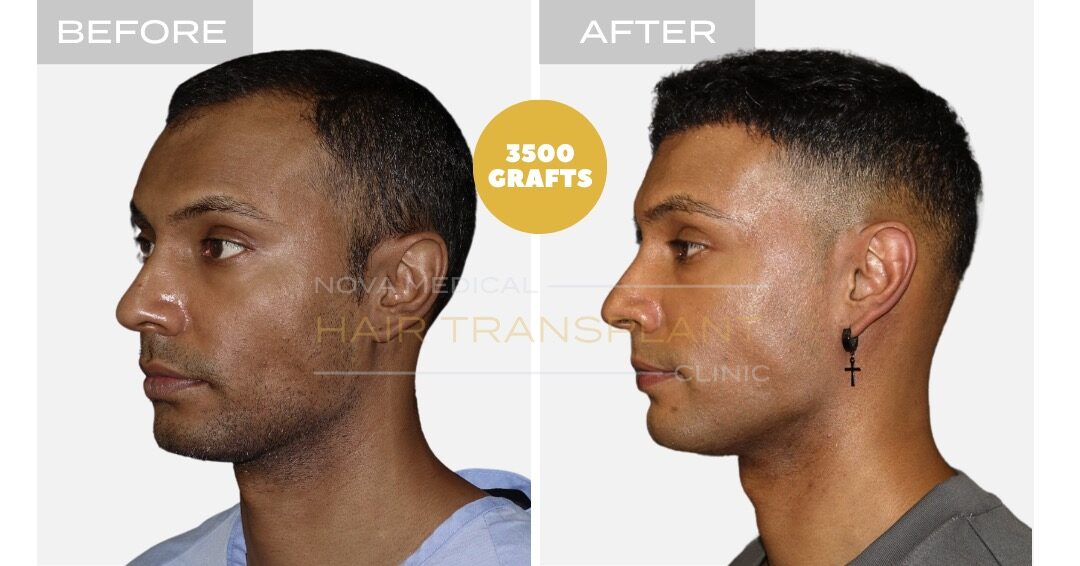
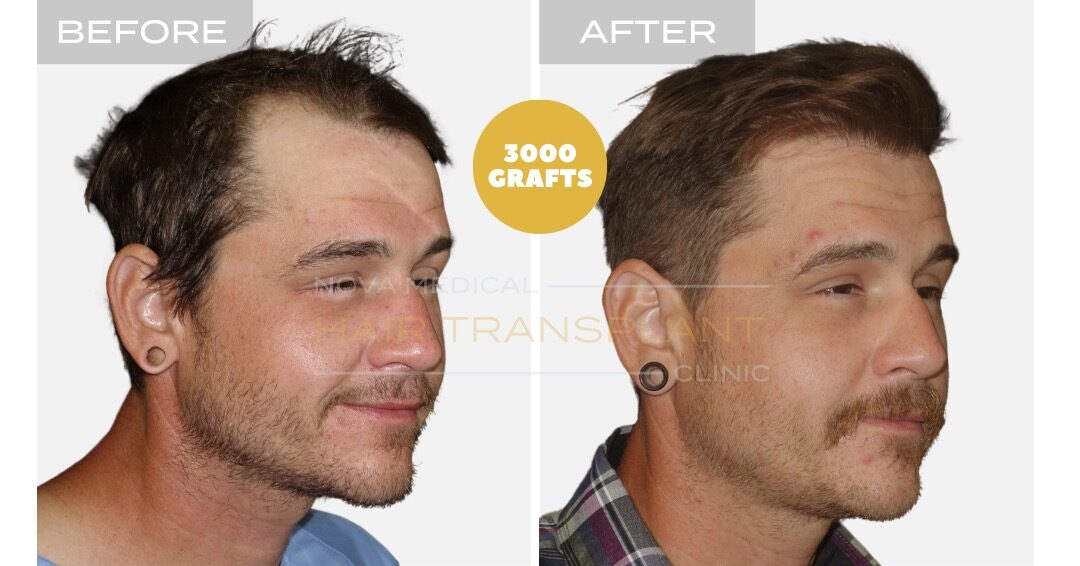
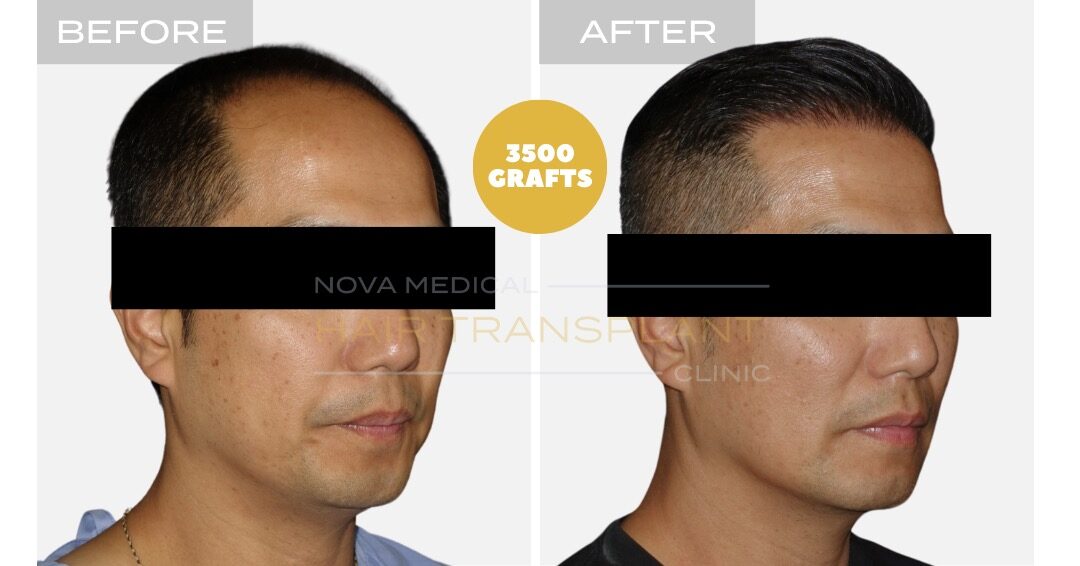
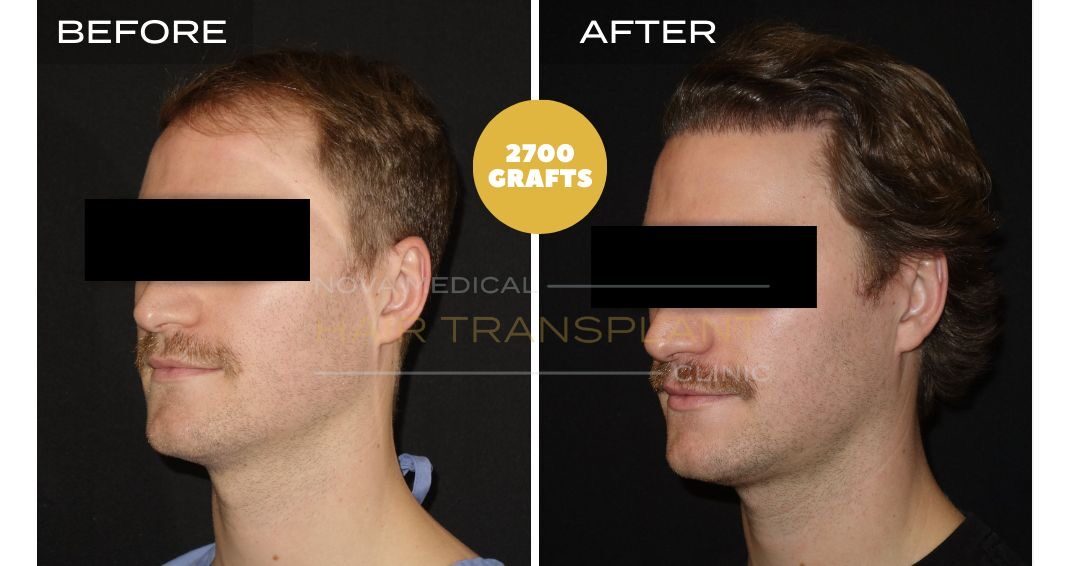
You meet with our specialist to talk through your goals, have your donor area assessed, and map out the beard shape that suits your face, all before anything is scheduled.
On the day, the donor area at the back of the scalp is cleansed, trimmed, and prepared, and local anaesthetic is applied so you stay comfortable from the start.
Individual follicular units are removed one at a time with a fine micro-punch, which leaves only tiny dot-sized openings rather than a linear scar.
Each graft is placed at an angle and direction that matches the natural flow of a beard, so the new hair blends in rather than standing out.
The transplanted hairs shed within a few weeks and then regrow, filling in over the following months into a beard you can shave and style like your own.
The cost of a beard transplant in Toronto comes down to the graft count and the coverage you are after. A full beard across the cheeks, moustache, chin, and jawline usually calls for somewhere between 1,500 and 3,500 grafts, while a targeted goatee or moustache can need as few as 500 to 800.
Some patients want full-beard restoration; others only need one patchy zone filled or a jawline sharpened. Because those cases are so different, a quote you can rely on has to be built around your own anatomy and goals rather than a fixed package price.
Financing is available to spread the cost over time, and your free consultation includes a clear graft estimate and a plain breakdown of what your specific plan involves, with no obligation to book on the day.
Patients travel to the clinic from across Toronto, Mississauga, Vaughan, and Markham, and the approach is the same for everyone: an honest look at what is realistic for your donor supply before any numbers are put on the table.
Natural hair is the crown you never take off.
No obligation • Same-week availability
Most beard transplants run somewhere between four and eight hours, with the graft count setting the length of the day. The whole procedure is carried out under local anaesthetic, so there is no pain during it, only a sensation of mild pressure now and then.
Most patients pass the time watching something or simply relaxing. You are free to take breaks, have something to eat, and settle in while the team works methodically through each stage of placement.
The room stays private and calm throughout, so a detailed session feels comfortable and unhurried rather than clinical or rushed. Most people are surprised by how quickly the hours pass once the placement is under way.
Our team works across every region of the face where beard hair grows or is wanted. Whether you are after full-beard restoration or focused work in a single area, each procedure is tailored to your facial structure and the look you have in mind. No two beards are mapped the same way, because jaw shape, cheek height, and the way your existing hair grows all feed into the design.
Every patient comes in for slightly different reasons. These are the ones we hear most often from men across Toronto considering a beard transplant, and most men see themselves in one or two of them.
Genetics drive a lot of how a beard grows, and many men simply carry traits that leave facial hair thin or uneven no matter how much time passes. A transplant fills those gaps for good.
Accidents, surgery, burns, and some skin conditions can leave areas of the beard where hair no longer grows. Placing follicles into and around that tissue restores growth and helps the scar blend in, which is often one of the more rewarding cases we see.
For some men, hormonal factors, a medical condition, or inherited traits mean a full beard has never come in. A transplant offers a lasting way to change that.
Even men who already grow a decent beard sometimes want more density, sharper edges, or a cleaner, more defined shape along the cheek and jaw lines.
If you are ready to add beard density, fill patchy spots, or shape a sharper facial hair pattern - the same FUE technique also rebuilds eyebrows and full scalp hair - book a private consultation with our Toronto team. We will assess your donor supply, talk through what you want, and build a plan around the beard you actually intend to wear, with no pressure to commit on the day.
No obligation • Same-week availability
A beard transplant starts with a consultation that looks at your facial structure, the beard style you want, the quality of your donor hair, and the pattern we would be recreating. Facial hair restoration tends to suit patients with:
As part of planning, the donor area is examined to judge graft quality and how much hair is available, and the surgical plan is then built around facial balance, natural growth direction, and the fullness you are hoping for. If the donor supply is limited, we say so plainly and concentrate the grafts where they do the most for the overall shape of the beard.

A natural beard transplant comes down to restraint and precision. Facial hair sits right at the front of the face, so the angle, spacing, and direction of every graft show far more than many patients expect.
The approach here is built around facial balance. Each graft is placed to work with your jawline, lip line, and cheek pattern, and with the kind of beard you genuinely want to wear day to day.
The goal is never an artificial wall of hair. It is a beard that grows in naturally, holds up at conversational distance, and can be trimmed or shaped however you like.
Every beard procedure is overseen by Dr. Martin Jugenburg, a Royal College–certified plastic surgeon (FRCSC), and that attention to detail is what keeps the results at Nova Medical Hair Transplant in Toronto looking refined rather than overdone.
It also means being honest at the consultation about what your donor area can realistically support, so the plan you leave with is one that will still look right in five or ten years, not only on the day it grows in.
Before the procedure, your medical history, current medications, and any health conditions that could affect surgery or healing are reviewed so nothing is missed.
Alcohol, NSAIDs, and certain supplements can thin the blood, so pausing them in the week before surgery, on your surgeon's advice, helps reduce bleeding and makes for a cleaner procedure day.
If any medication is prescribed for before or after treatment, you will be given clear instructions on exactly how and when to take it.
You go home the same day. Some mild swelling, redness, and small scabs across the recipient area are normal and to be expected that first night.
Most patients feel comfortable heading back to work and social plans, sticking to the aftercare guidelines you are given.
The donor area at the back of the scalp usually heals over this window, and the redness and early scabbing on the face keep settling.
The transplanted hairs commonly shed around now. It can be unsettling to see, but it is entirely normal and simply part of the growth cycle.
Fresh growth starts to appear. It often looks patchy or uneven at first and evens out as more hairs come through.
A clear improvement is usually visible by now, with density and coverage still building month on month.
The result typically reaches its full, permanent state. From here your beard can be shaved, trimmed, and styled exactly like the hair you grew yourself.
The procedure is carried out under local anaesthetic, so you stay comfortable from start to finish. Most beard transplants take four to eight hours depending on the graft count, and most patients spend that time watching something or simply resting.
One of the reasons facial hair restoration appeals to so many people is the relatively short downtime. Plenty of patients are back to work and their usual routine within a matter of days.
Some redness, swelling, and early scabbing are part of the process, but for most patients the aftercare is straightforward as long as the instructions are followed closely through the first couple of weeks. Keeping the area clean and resisting the urge to pick at the scabs makes the biggest difference to how smoothly everything heals.