
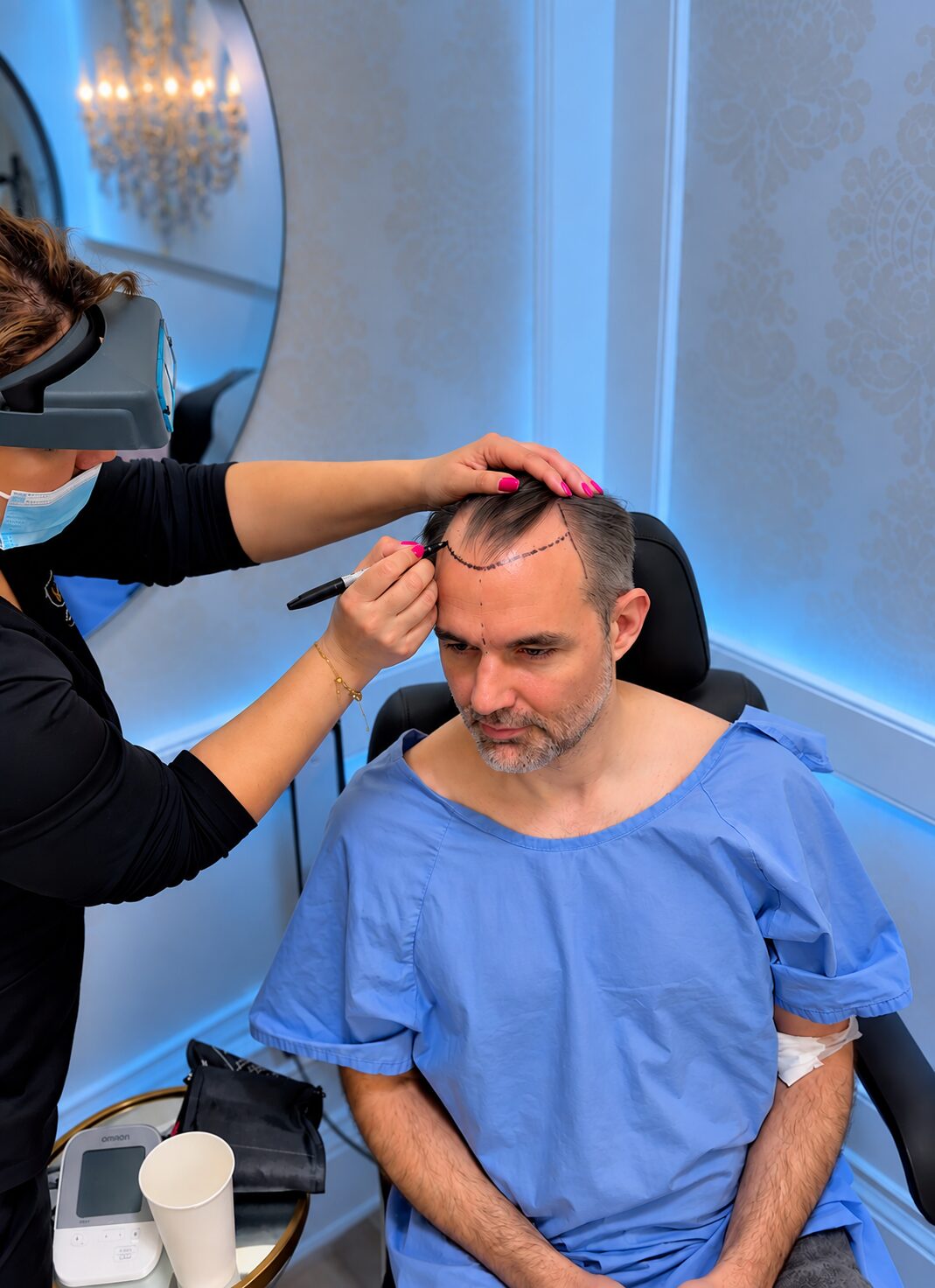
Hair transplant recovery - whether after FUE or DHI - is generally mild and manageable for the vast majority of patients. The procedure is performed entirely under local anesthesia, meaning you are awake and comfortable throughout - most patients watch a movie or listen to music during their session.
Most patients experience mild discomfort, redness, and swelling for the first few days following their procedure. These are completely normal responses as your scalp heals. Prescribed pain medication is typically sufficient to keep you comfortable during the initial days at home.
The newly transplanted grafts are in their most fragile state for the first 10-14 days - proper aftercare during this critical window is essential to maximizing your results. Our clinical team provides detailed written aftercare instructions and is available around the clock to answer any questions.
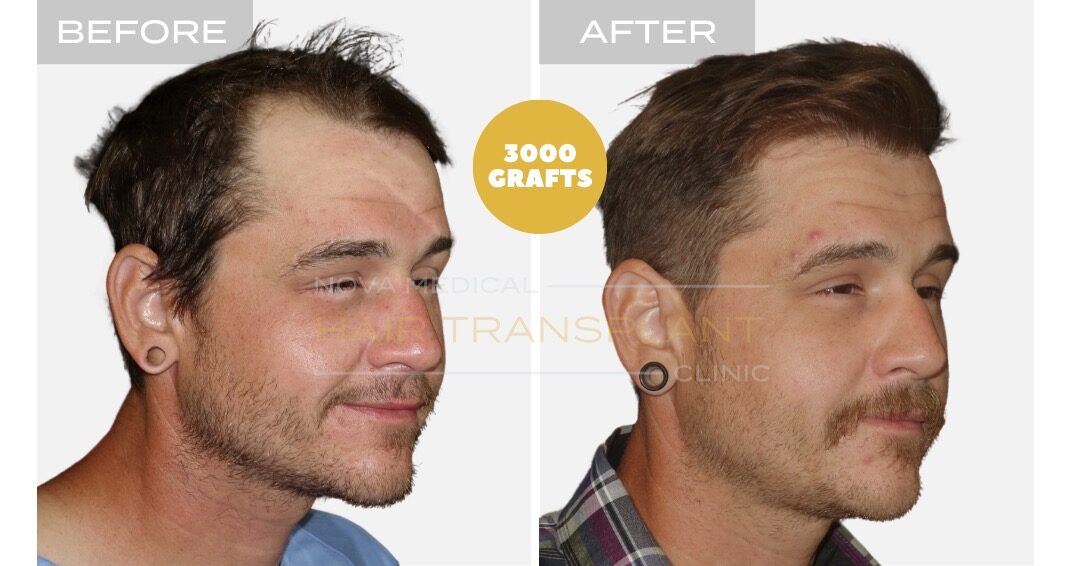
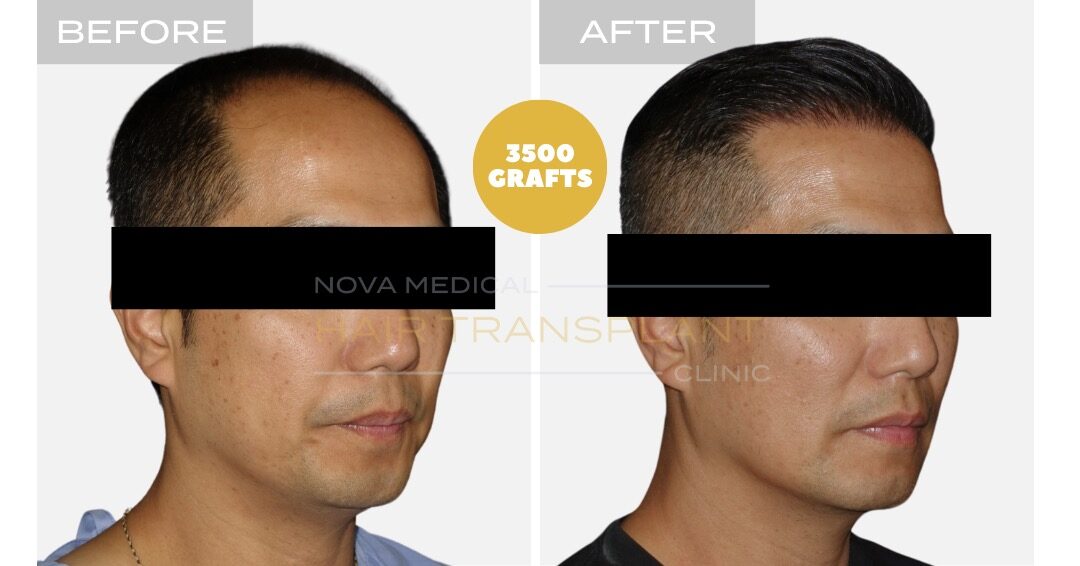
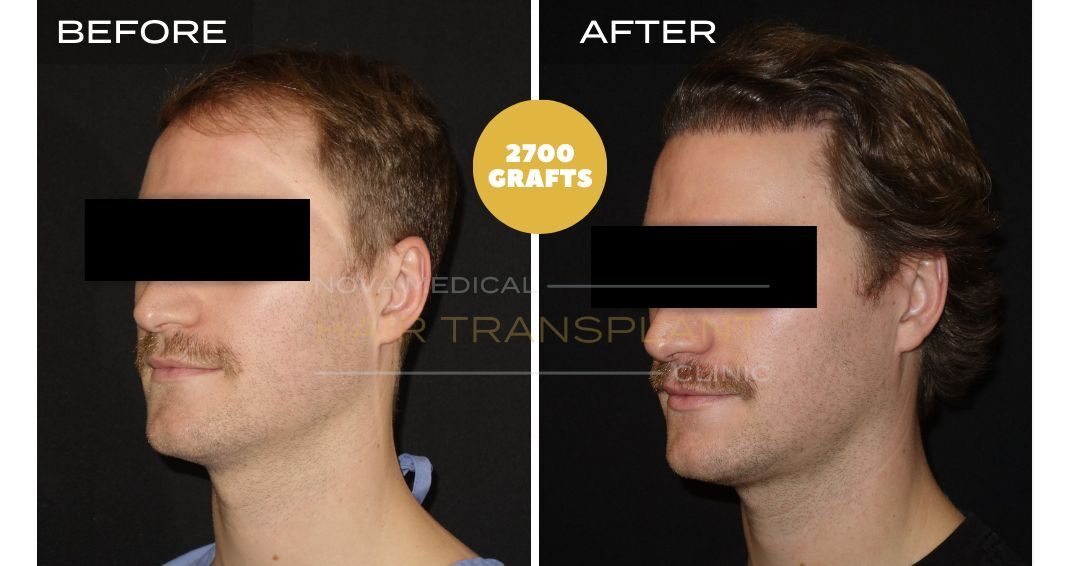
Understanding each phase of recovery helps set realistic expectations and ensures you provide the right care at the right time.
You'll leave the clinic with bandaging and detailed aftercare instructions. Mild tenderness, tightness, and some swelling around the forehead are normal. Sleep with your head elevated at a 45-degree angle.
Swelling peaks around day 3 and begins to subside. You may begin gentle washing of the recipient area as instructed. Small crusts form around the grafts - this is healthy and expected.
Redness fades significantly and crusting begins to clear. You can gently wash your hair daily per our protocol. Most patients are comfortable returning to desk work and social situations.
Crusting has fully resolved and the scalp looks much more natural. The transplanted hair begins to shed - this is expected and completely normal (shock loss). You can gradually return to light exercise.
Shock loss is typically at its peak - the transplanted hairs shed while the follicles remain dormant beneath the scalp. This is temporary. You can resume most normal activities, including moderate exercise.
The dormant follicles awaken and new hair growth begins to emerge. The new hairs are fine and wispy at first but will thicken considerably over the coming months.
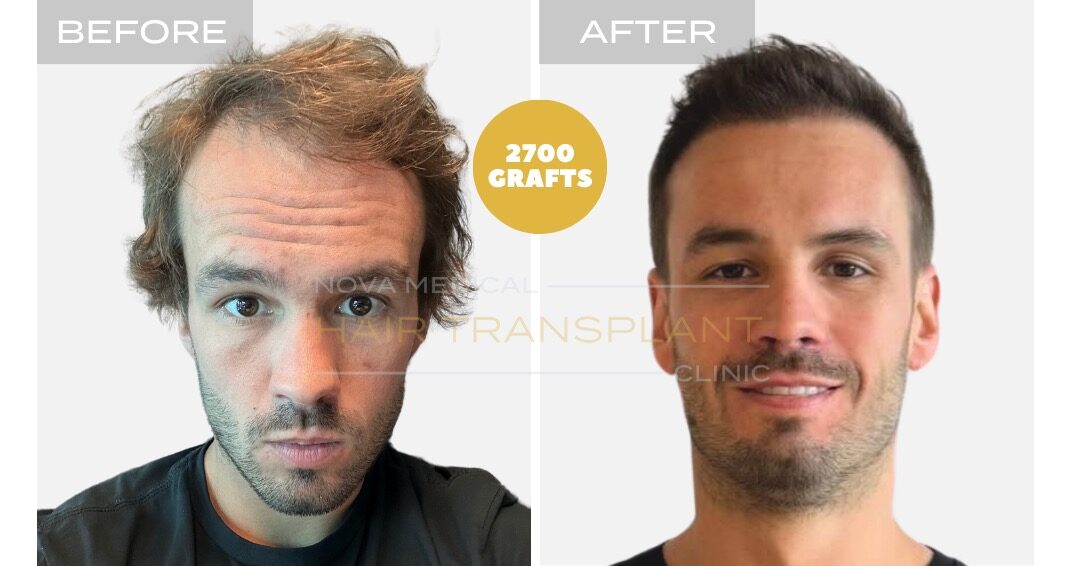
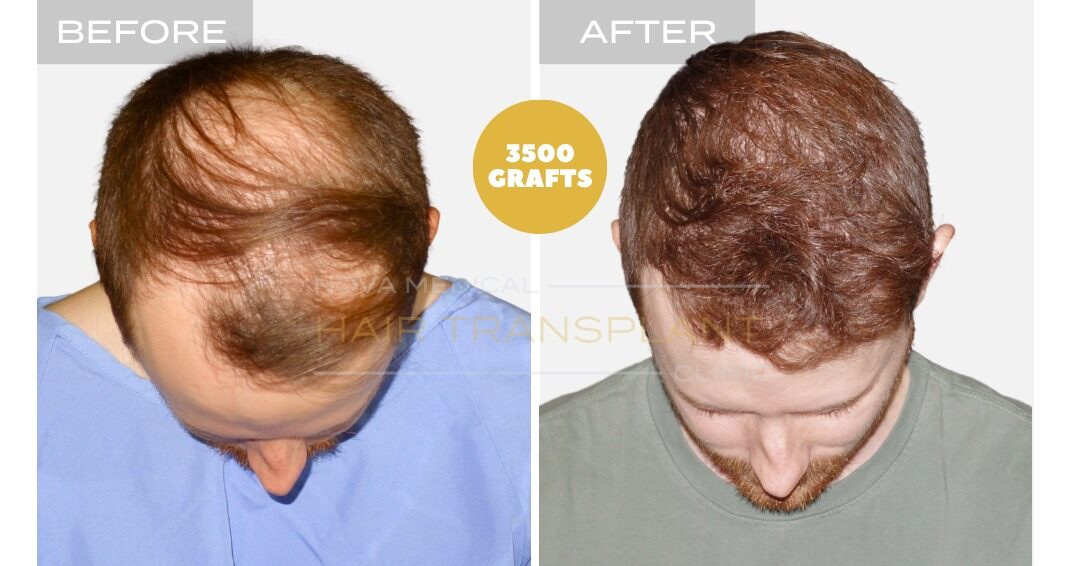
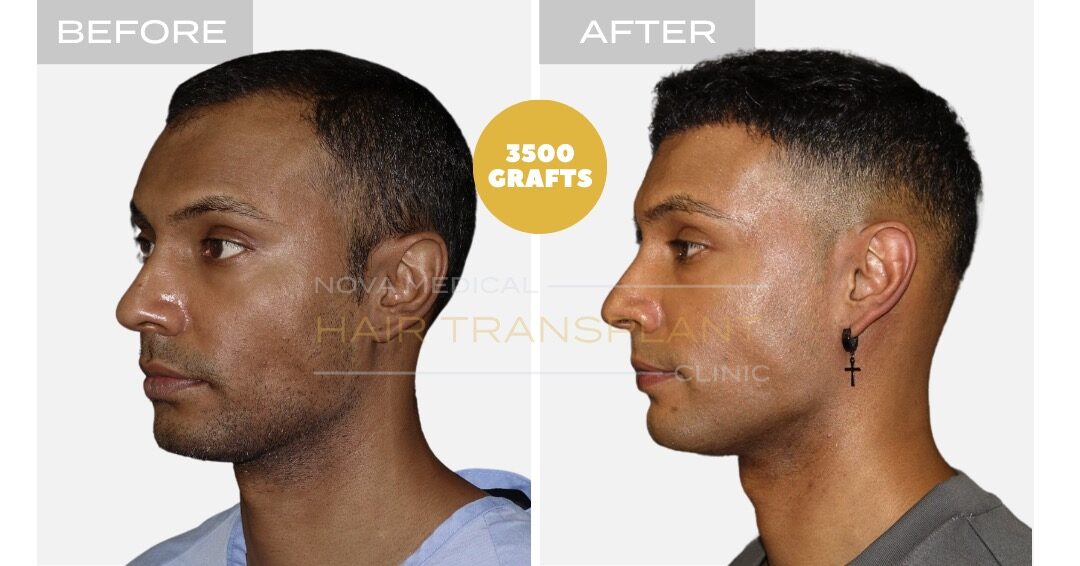
Significant density and coverage are now visible. The transplanted hairs continue to thicken and mature, blending naturally with existing hair.
Your final, permanent results are fully visible. The transplanted hairs have completely matured in thickness, texture, and density. Results continue to refine subtly through 18 months.
Natural hair is the crown you never take off.
No obligation • Same-week availability
A visual roadmap of what to expect at each stage of your hair transplant journey.
Grafts Establish & Anchor
Initial Shedding (Shock Loss)
New Growth Begins
Significant Density Achieved
Full Results Visible
Between weeks 2 and 4 after your procedure, the majority of transplanted hairs will shed. This phenomenon - known as shock loss - is completely normal and expected, and is not a sign that anything has gone wrong. The hair sheds, but the follicles themselves remain alive and deeply anchored beneath the surface of the scalp.
Think of shock loss as a reset period. The follicles enter a temporary resting phase after the trauma of transplantation, then begin producing new, permanent hair growth starting at 3 to 4 months. Do not be alarmed when you notice shedding - it is one of the most reliable indicators that the transplant is progressing exactly as it should.
It's easy to overlook the impact of everyday supplements - like ginseng, garlic extract, or omega-3s - but these and certain anti-inflammatory medications can increase your risk of bleeding before or after a hair transplant.
To keep your procedure safe and successful, your medical team may recommend temporarily stopping any blood-thinning agents, unless medically necessary.
Be sure to inform your surgeon of all medications and supplements you take, even over-the-counter items. This helps us tailor a care plan that ensures your safety and supports a smooth recovery.
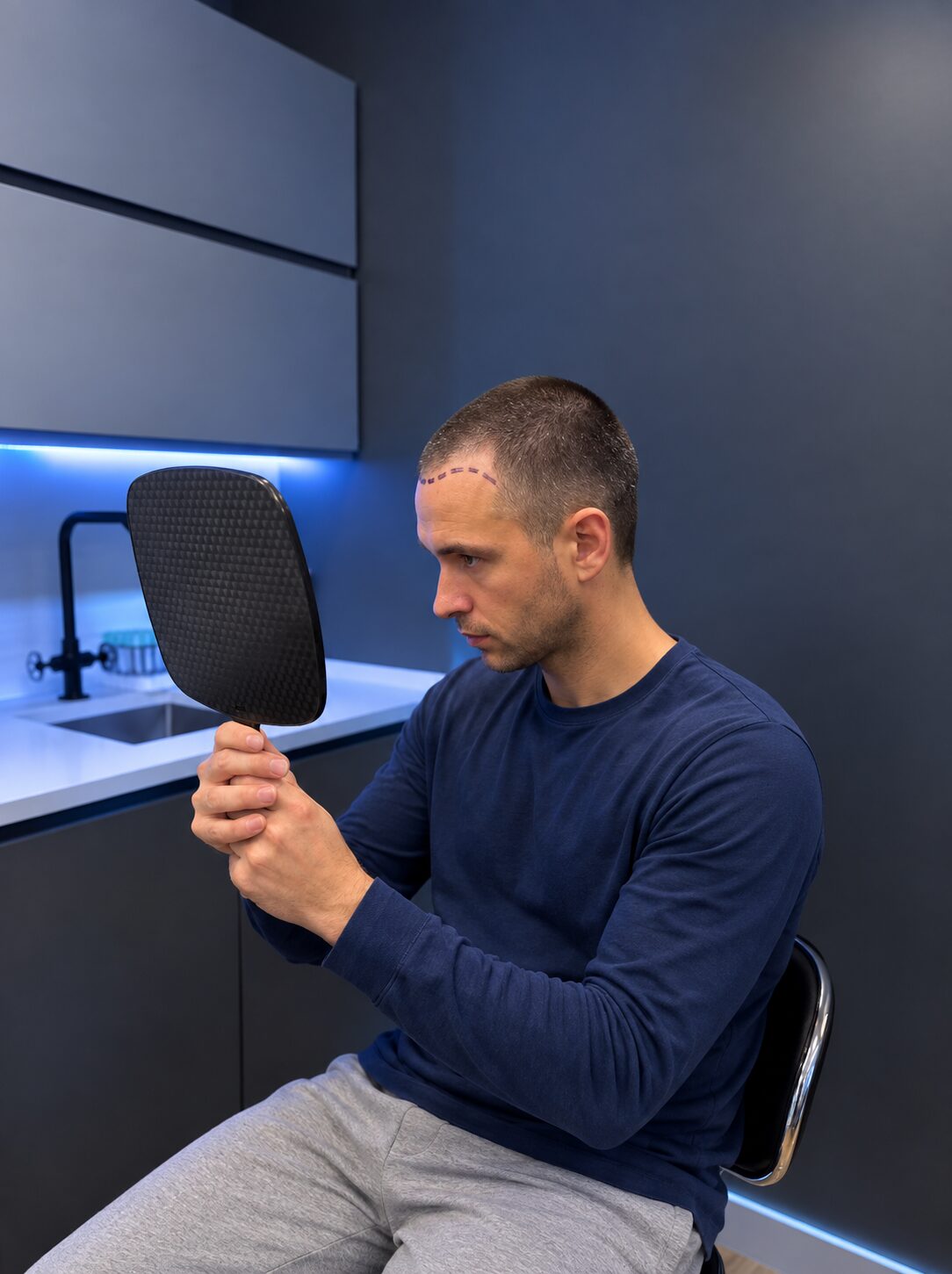
Medications: Thanks to today's advanced microsurgical techniques, the risk of infection after a hair transplant is low. Still, you'll receive a precautionary antibiotic prescription to support proper healing.
Sun Protection: For the first two weeks, we recommend wearing a loose, breathable hat when outside. After that, use broad-spectrum sunblock regularly on the scalp for at least the next year.
Gentle Washing: For the first few days, use a gentle spray-on shampoo to avoid disturbing the delicate grafts. After that, wash with lukewarm, clean water without rubbing or scratching.
Avoid medications and supplements that can increase bleeding unless your doctor tells you otherwise. We will provide specific guidance before surgery.
If you regularly color your hair, avoid dyeing it a week or two before your procedure - and hold off for 6 to 8 weeks afterward.
Wash your hair thoroughly on the morning of the procedure unless instructed otherwise. A clean scalp helps set up the day well.
Real Royal College-certified credentials behind every recovery and aftercare plan.
Boston, USA - World-renowned facial plastic surgeon and founder of The Spiegel Center. Internationally recognized for his work in facial aesthetics and hair restoration.
Toronto, Canada - Meticulous surgical care backed by training under some of the most experienced plastic and reconstructive surgeons in the world.
Florida, USA - Award-winning plastic surgeon board certified by the American Board of Plastic Surgery, trained by pioneers of advanced plastic surgery techniques.