
Hair loss is often treated as a men's issue, but a great many women live with it too — and because it is talked about far less, it can feel more isolating. Shedding 50 to 100 hairs a day is completely normal and nothing to worry about. It becomes a concern when the shedding outpaces regrowth, the part line starts to widen, or the scalp begins to show through in bright light, which for many women is genuinely distressing.
A female hair transplant is a lasting way to bring density back to areas that have thinned. Using follicular unit extraction (FUE), healthy follicles are taken one at a time from a donor zone — usually the lower back of the scalp, where growth stays stable — and placed into the regions that have lost volume. The result is real, growing hair that matches the texture and direction of what is already there, rather than a patch that stands out.
What women want from restoration is usually different from what men ask for. It is less about rebuilding a receding front and more about thickening a diffuse thinning pattern, closing a widening part, and giving the whole head of hair its body back. The plan at Nova Medical Hair Transplant in Toronto is built around those goals from the outset.
More women are choosing surgical restoration as they learn it is a discreet, permanent option rather than a last resort. Dr. Martin Jugenburg, a Royal College–certified plastic surgeon (FRCSC), oversees each female hair transplant, with patients coming to the Toronto clinic from across Mississauga, Brampton, Vaughan, Markham, and the wider GTA.
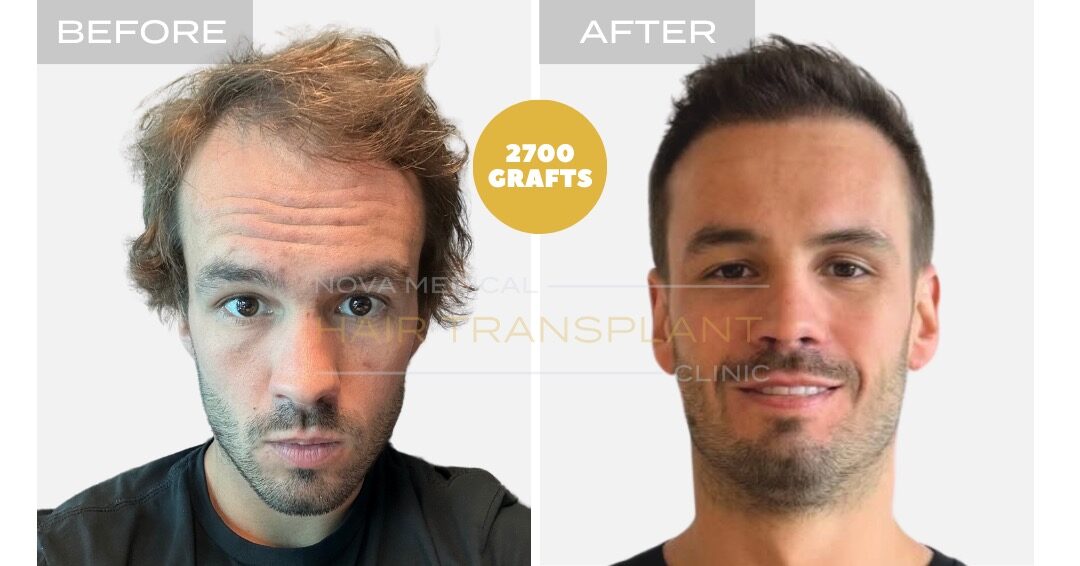
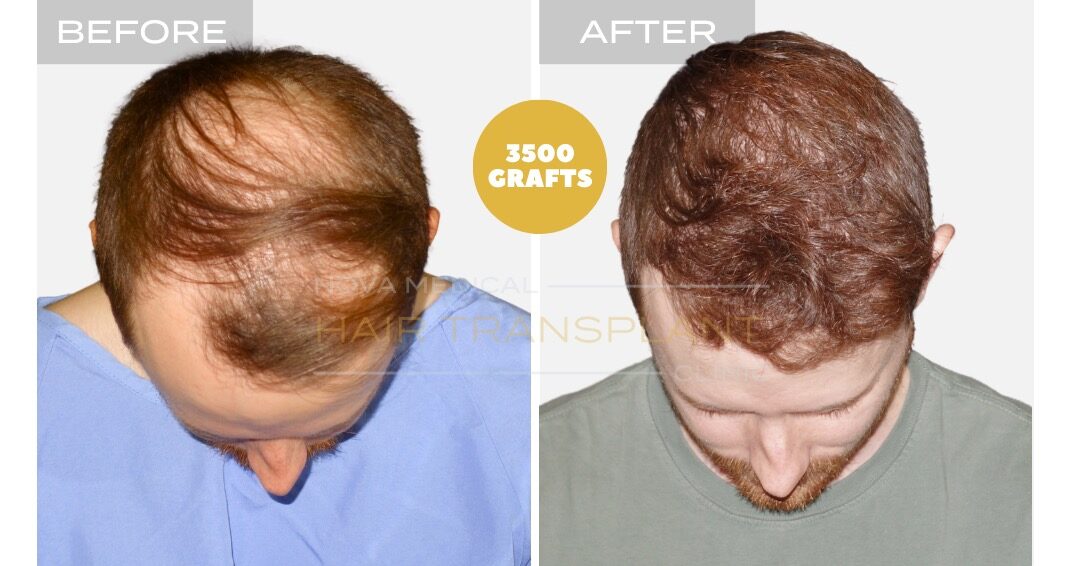
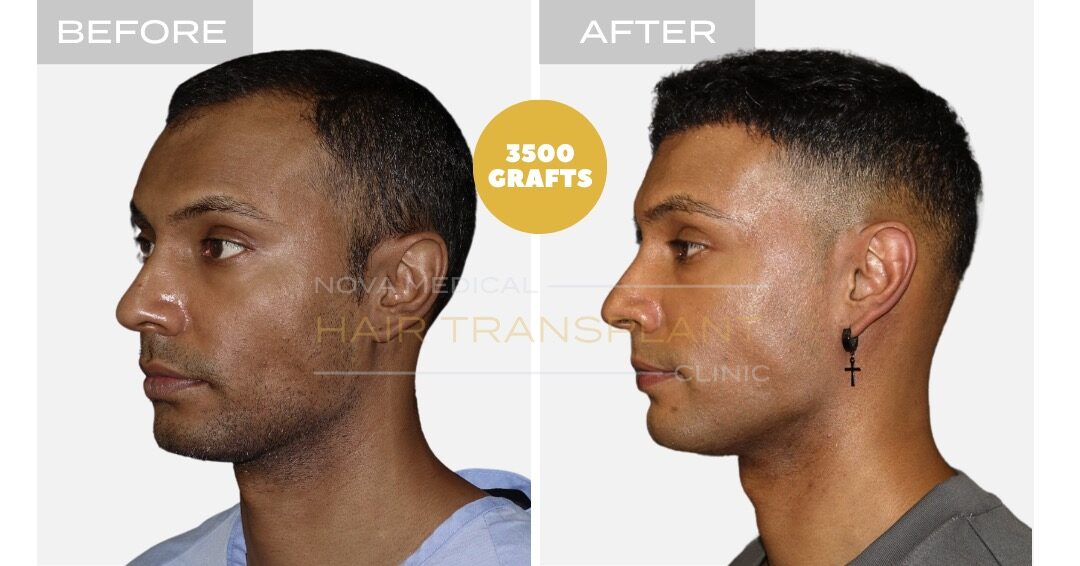
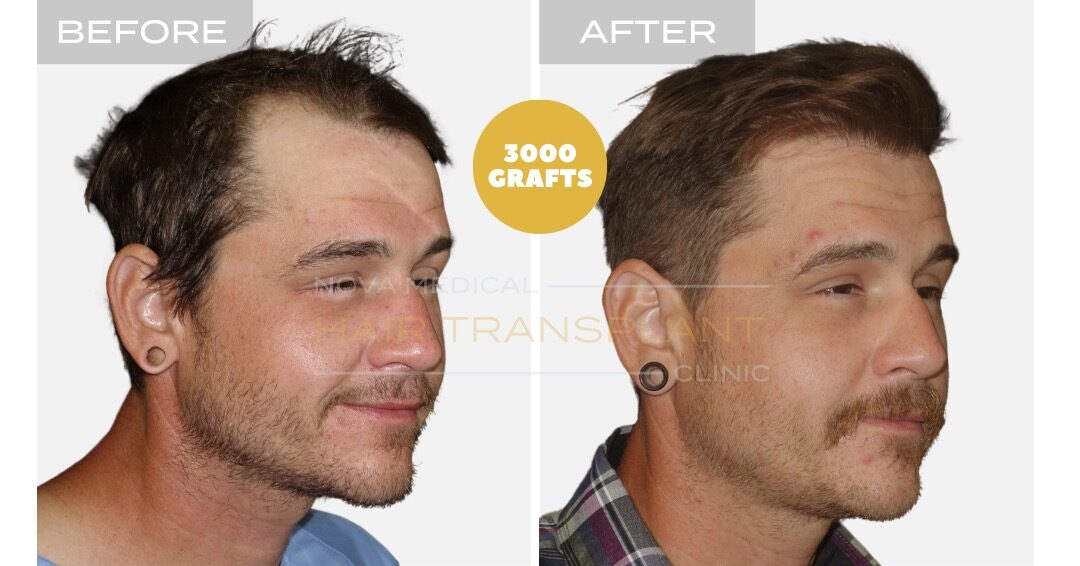
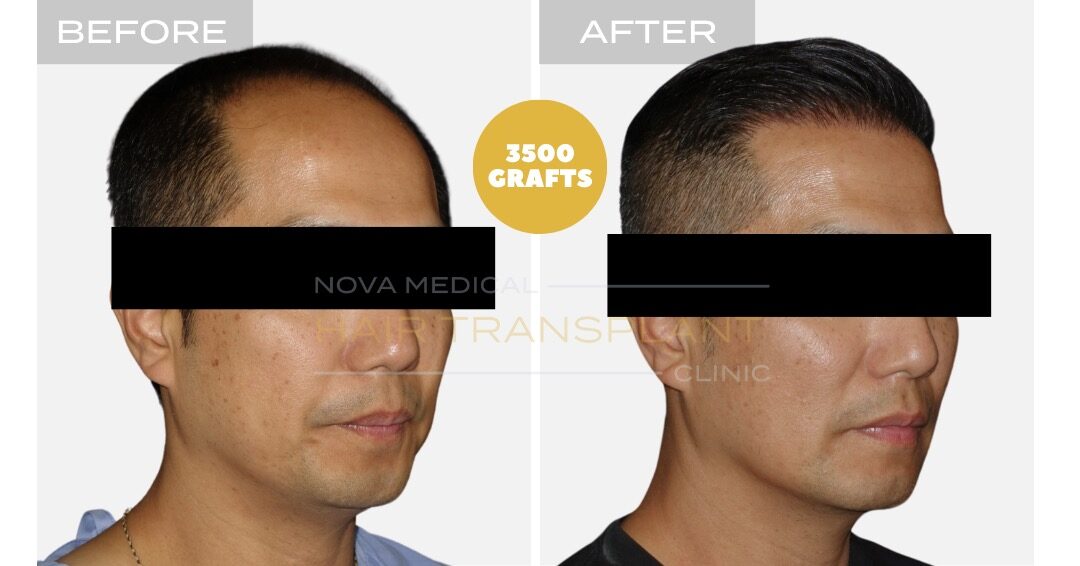
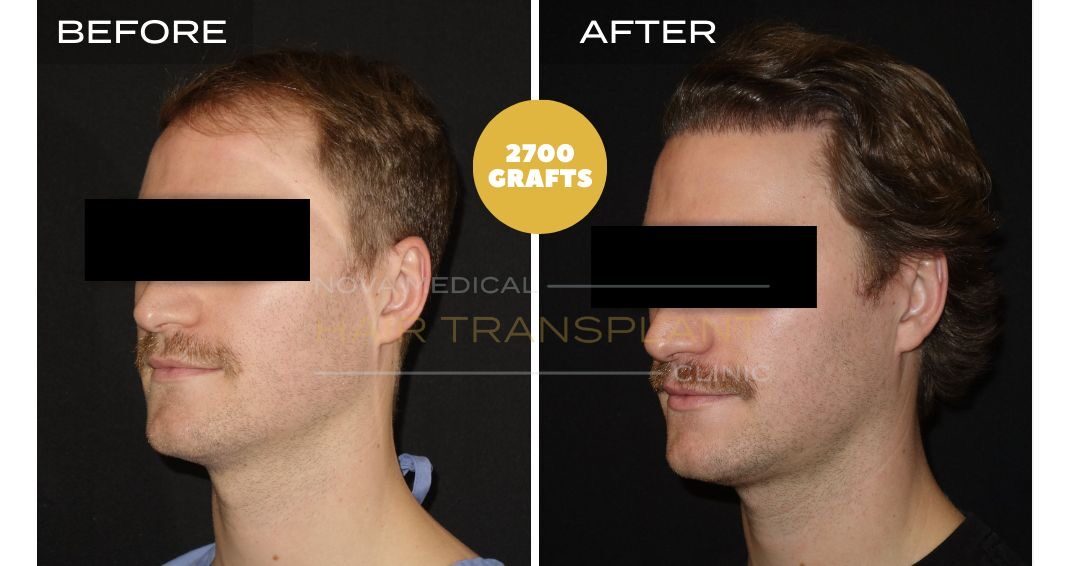
We look closely at your scalp, map where the thinning sits, and confirm whether a transplant is the right step — all before anything is booked.
From that assessment we set a graft count, mark the areas to treat, and plan the density so the result matches your pattern of loss rather than a stock template.
Only a small, hidden section of the donor zone is trimmed — tucked under the surrounding hair — so nothing is obvious while you heal, in keeping with our shaveless approach.
Under local anaesthetic, follicles are removed individually and placed into the thinning areas at a matched angle and direction, so new growth settles in with your own hair.
You go home the same day with clear aftercare, and we stay involved through scheduled follow-ups across the first year as the hair comes in.
There is no single price, because the number of grafts a woman needs swings widely with the degree of loss. Mild to moderate thinning might call for somewhere around 500 to 1,500 grafts, while more advanced diffuse thinning can run to 2,000 to 3,000 or more.
Rather than quoting from an average, we set your graft count and cost only after examining your scalp in person at the free consultation. That is the only way the figure reflects your actual hair rather than someone else's.
Financing is available to make treatment easier to manage, and every female hair transplant here includes complimentary PRP therapy to support your results at no added cost.
Natural hair is the crown you never take off.
No obligation • Same-week availability
Most sessions run about six to eight hours and finish in a single day, with the graft count setting the length. You leave the same day and begin recovery right away.
Detailed as the work is, the day tends to be calmer than people expect. You stay awake and comfortable, free to listen to music, watch something, or simply rest while the team works steadily through your plan.
Keeping the room private, organised, and unhurried from start to finish is part of the point — the day should feel manageable, not clinical.
Most women dealing with thinning, patchy loss, or a widening part are worth assessing. We confirm suitability by looking at your hair type, donor supply, and goals at a free consultation. The strongest candidates usually share a few things:
For the right candidate, a transplant is a long-term way to rebuild both hair and confidence — designed specifically around the way women tend to lose hair.
The follicles moved from your donor zone keep their own resistance to thinning, so once they settle they carry on growing without creams, pills, or repeat sessions to maintain.
Each graft is angled and spaced to match the direction and density of the hair around it, so the restored area blends in instead of reading as a repair.
Getting body and coverage back where hair had thinned tends to change how women feel about photos, styling, and simply being seen — often more than the size of the procedure suggests.
Whether the issue is all-over thinning, a widening part, or a specific patch, the plan is shaped around your loss rather than forced into one standard approach.
FUE lifts follicles one at a time with no strip incision, which means no stitches, minimal marking, and a quicker, more comfortable recovery.
Once healed, the new hair grows in with the rest — you wash it, colour it, and style it exactly as you always have, with nothing special to keep up.
Hair loss in women is more widespread than most people assume, and it is also one of the most under-recognised — many women are told it is nothing long before anyone looks for a cause.
Menopause, the months after childbirth, and thyroid imbalances can all throw the hair growth cycle off and trigger noticeable shedding.
Female pattern hair loss is inherited and driven by follicle sensitivity to DHT; it can come from either side of the family and usually shows as gradual, diffuse thinning.
Prolonged stress, disrupted sleep, and sudden weight change can push follicles into a shedding phase known as telogen effluvium.
Years of tight styles that pull on the roots, along with conditions like alopecia areata and other autoimmune disorders, can all wear on follicle health.
Low iron and ferritin, along with shortfalls in vitamin D and protein, starve follicles of what they need to hold and grow hair.
We use FUE, but adapted to the way women lose hair. Instead of concentrating on a hairline, the focus is on building genuine density where thinning has spread out, narrowing a part that has widened, and bringing back overall volume — the outcomes most women actually care about.
The distribution is designed to fold into your existing hair, so the treated area is not something you or anyone else can pick out later. Blending, not contrast, is the goal.
Because FUE needs no large incision, scarring is minimal and recovery stays discreet. Most women are back to their usual routine within about seven to ten days.
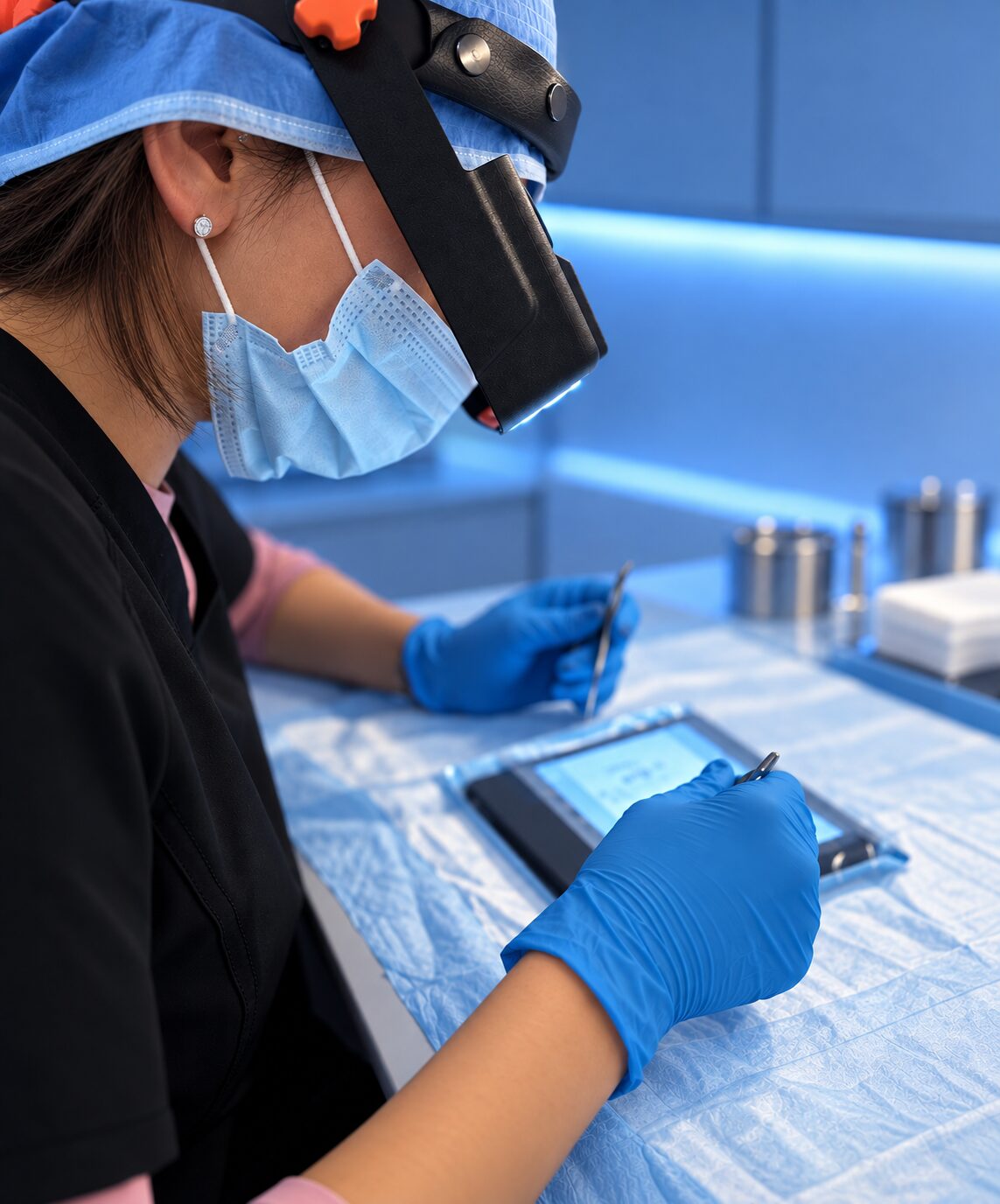
Since women's hair loss is so rarely discussed openly, a lot of women put off getting help at all. We take privacy seriously and keep the whole experience confidential and supportive, from the first consultation onward.
Every female hair transplant at Nova Medical Hair Transplant in Toronto includes complimentary PRP (platelet-rich plasma) therapy, which uses your own growth factors to strengthen follicles, support healing, and encourage fuller, longer-lasting regrowth.
The clinic pairs local, personal care with the systems and shared protocols of a multi-location practice, so the same standards apply to every case rather than varying from one appointment to the next.
Some blood thinners and supplements raise the risk of bleeding, so pause them only on your surgeon's advice. You will get a specific list to follow ahead of your date.
Your consultation includes a full scalp analysis and blood work, so any underlying cause of the thinning is identified before a plan is finalised.
Unless told otherwise, wash your hair thoroughly the morning of the procedure and arrive with a clean, product-free scalp so the day can start on time.
Some mild swelling or redness is normal early on. Thanks to the shaveless technique, most women are comfortable returning to work within a week.
You can usually colour and style your hair again by now, so there is no long wait to feel like yourself.
The transplanted hairs shed during this window — known as shock loss. It is expected and temporary; the follicle stays put and resets for new growth.
The first new hairs begin to appear, supported by a series of in-person follow-ups across your first year.
Density visibly improves as the new hair thickens and matures into the surrounding hair.
The result reaches full maturity, blending in so it cannot be told apart from your natural hair, with our follow-up process guiding the way there.
It starts with a thorough consultation to assess the loss, talk through what you want, and build a plan tailored to you — complimentary PRP therapy included.
On the day itself, the target area or hairline is designed with you, and you review and approve that design before anything begins. Local anaesthetic keeps you comfortable the whole way through.
Afterwards you go home with detailed aftercare, and our Toronto team stays in touch at every stage of recovery rather than leaving you to figure it out alone.
Every female hair transplant at our Toronto clinic comes with complimentary PRP (platelet-rich plasma) therapy, because giving your follicles the strongest possible start is part of the plan, not an upsell. PRP draws on your body's own growth factors to reinforce follicle strength, aid healing, and encourage fuller, longer-lasting regrowth.
The process is straightforward: a small sample of your blood is taken, the regenerative components are concentrated, and they are carefully injected into the scalp — improving circulation, calming inflammation, and supporting both the transplanted and the existing hair.
For women managing diffuse thinning or fine, delicate hair, PRP is a natural way to reinforce results and nourish the scalp, with no extra medication and no added downtime.
Real, verifiable credentials stand behind every female hair restoration plan we build.
Boston, USA - A facial plastic surgeon and founder of The Spiegel Center, recognized internationally for his work in facial aesthetics and hair restoration.
Toronto, Canada - A Royal College–certified plastic surgeon (FRCSC) whose practice is built on careful, natural-looking results in surgical and reconstructive work.
Florida, USA - A plastic surgeon certified by the American Board of Plastic Surgery, trained under experienced figures in advanced plastic surgery.
