Welcome to our Hair Transplant Toronto overview page, where we'll guide you through everything you need to know about hair restoration. This page showcases the advanced techniques we use, such as FUE and DHI, to deliver natural, lasting results. You'll learn about our personalized approach to restoring hairlines, treating thinning areas, and addressing unique concerns. We'll also cover the benefits of our services, what to expect during the procedure, and how we tailor each treatment to your specific needs.
Hair is the crowning glory of every human being. As the most noticeable body part, every person makes an effort in grooming their locks to boost their looks and overall confidence.
But not everyone is happy with how their hair looks. Some people experience hair thinning, and hair loss or baldness caused by different factors such as aging, stress, health problems, and genetic conditions. If only we live in a world free from prejudice, it wouldn't matter. But since there are social stigmas that relate baldness with aging, loss of vigour, and unattractiveness, somehow, it degrades a person and causes them to lose confidence and the courage to face other people.
How a Hair Transplant Can Address Your Unique Hair Concerns
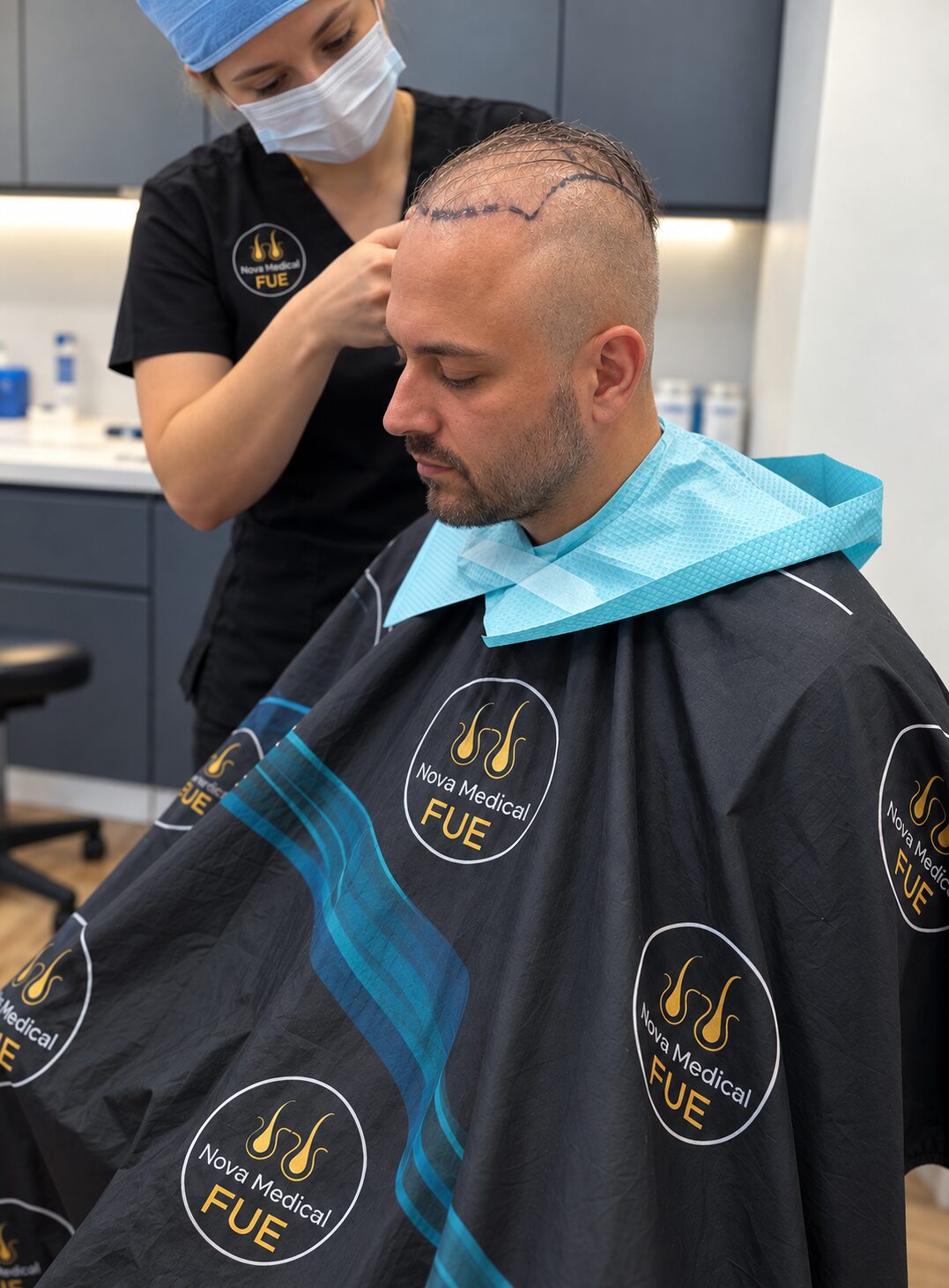
When thinking about a hair transplant, it's important to understand that everyone's hair is different. Whether your hair is straight, wavy, curly, or coily, each type comes with its own set of challenges when it comes to hair loss and restoration. A successful hair transplant isn't just about covering up bald spots; it's about creating a natural-looking head of hair that suits your unique hair type and concerns. That's where tailored solutions come in, offering a personalized approach that fits your specific needs.
Your hair's texture plays a big role in the hair transplant process. For example, curly or coily hair often has follicles that are curved and deeper in the scalp, which can make the extraction process more complex. On the other hand, straight hair might need more grafts to achieve the same look of fullness as curly hair because of how it reflects light and its finer texture.
At Nova Medical Hair Transplant in Toronto, our skilled surgeon and professionals are experienced in working with all hair types, making sure that each hair follicle is handled carefully. This attention to detail is crucial for creating a natural look where the transplanted hair blends seamlessly with your existing hair.
In addition to hair type, individual concerns like thinning hair, receding hairlines, or bald patches are carefully considered when planning your hair transplant. For example, if you're dealing with a receding hairline, we focus on creating a soft, natural front line that matches your facial features. If thinning is your main issue, we work to increase hair density while keeping a uniform appearance.
Certain hair types might also be more prone to specific issues like traction alopecia, which requires a different approach during both extraction and implantation. Our tailored solutions are designed to address these concerns, giving you results that not only restore your hair but also boost your confidence.
Personalization in hair transplants is key to getting good results. By considering your unique hair type and concerns, our team can create a treatment plan that's just right for you. The result is a fuller, more natural-looking head of hair that enhances your appearance and helps you feel more confident.
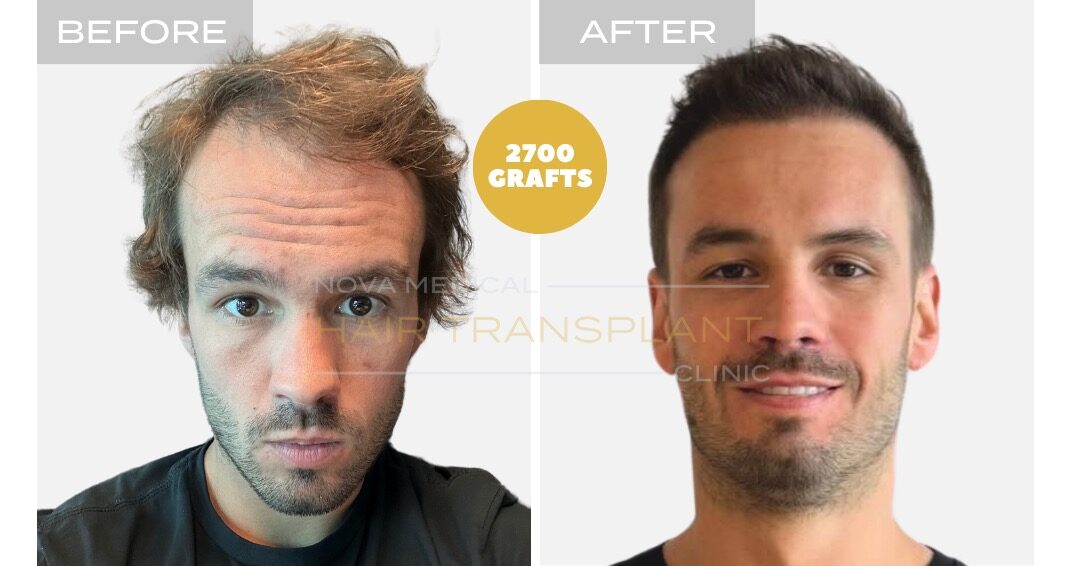
A hair transplant offers numerous benefits, making it a popular solution for those experiencing hair loss in Toronto. One of the primary advantages is the restoration of a fuller, natural-looking head of hair. Unlike temporary solutions such as wigs or hairpieces, a hair transplant provides a permanent fix, using your own hair to fill in thinning or balding areas. This results in hair that looks and feels completely natural, boosting your confidence and self-esteem.
Another significant benefit is the low maintenance required after the procedure. Once the transplanted hair begins to grow, it behaves just like your natural hair. There's no need for special shampoos or treatments, and you can style it however you like. This is a major convenience compared to other hair loss solutions that may require ongoing care and attention.
Hair transplants are also tailored to suit each individual's specific needs. Whether you're dealing with a receding hairline, thinning hair, or patchy bald spots, the procedure can be customized to address your unique concerns. The result is a personalized approach that ensures a strong outcome for your particular situation.
Additionally, a hair transplant is a long-lasting investment in your appearance. The results are permanent, with the transplanted hair continuing to grow for a lifetime. This makes it a cost-effective solution in the long run, especially when compared to the ongoing expenses of other hair loss treatments.
Lastly, the procedure itself is minimally invasive and comes with a relatively short recovery time. Most patients can return to their normal activities within a few days, and any discomfort is usually mild and temporary. With all these benefits, it's easy to see why a hair transplant in Toronto is a preferred choice for those looking to restore their hair and confidence.
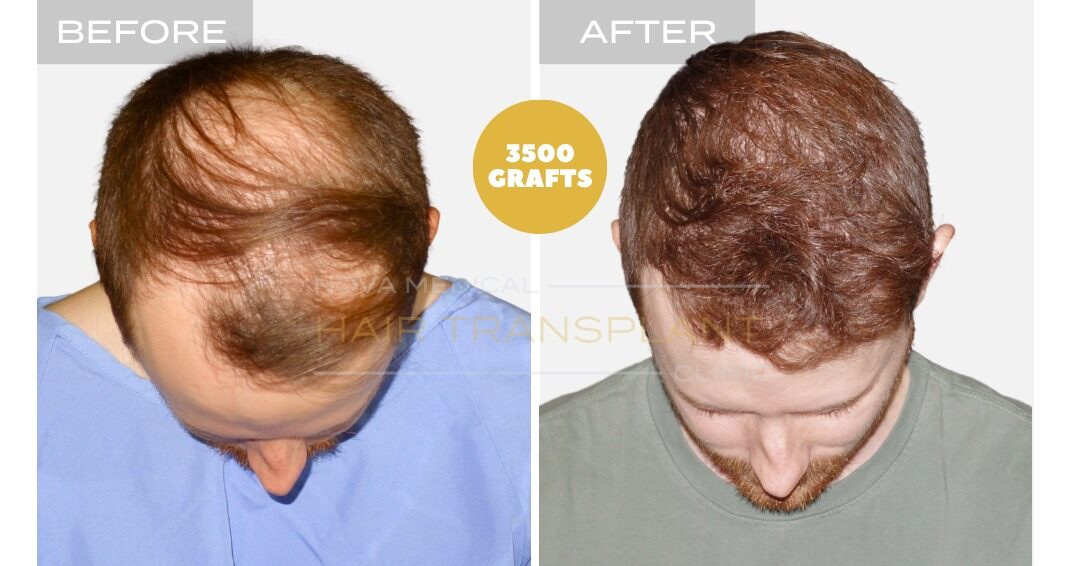
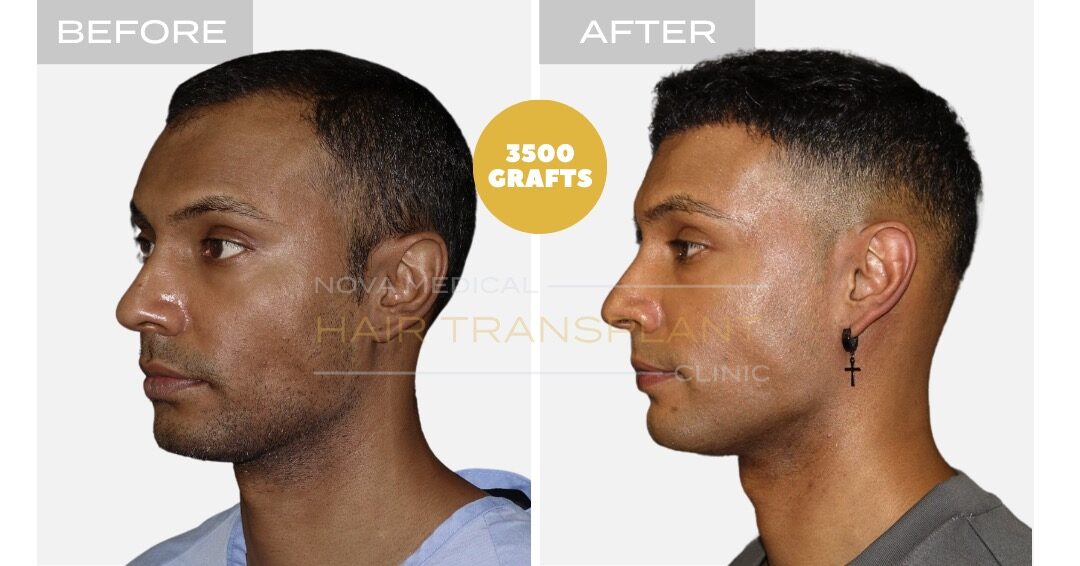
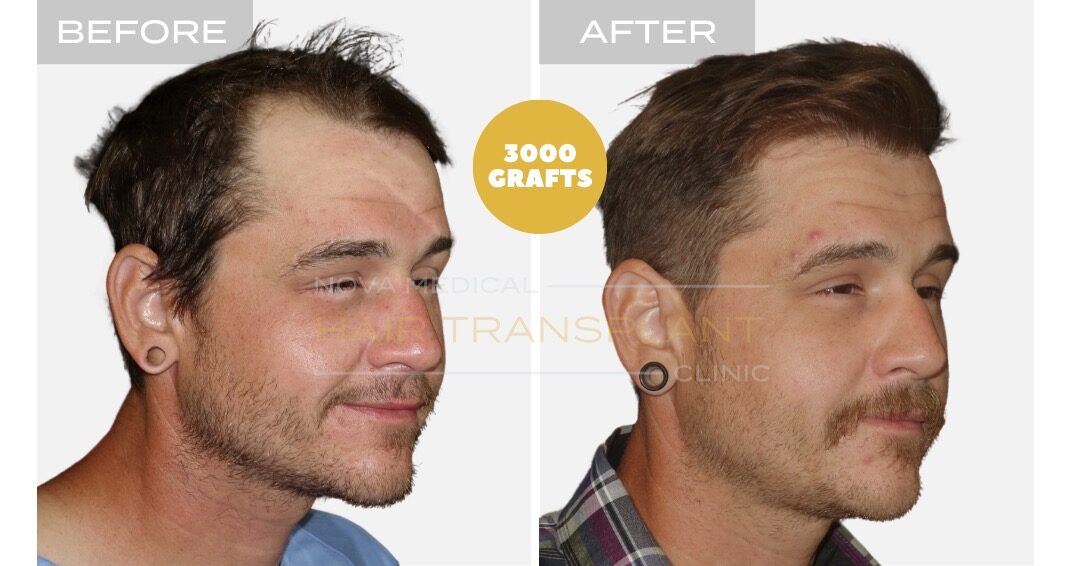
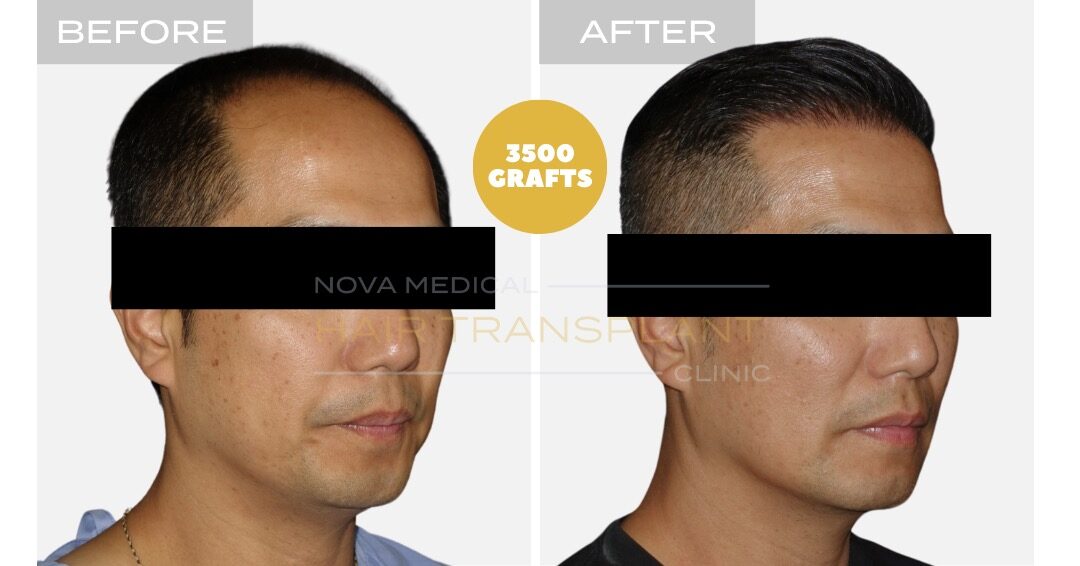
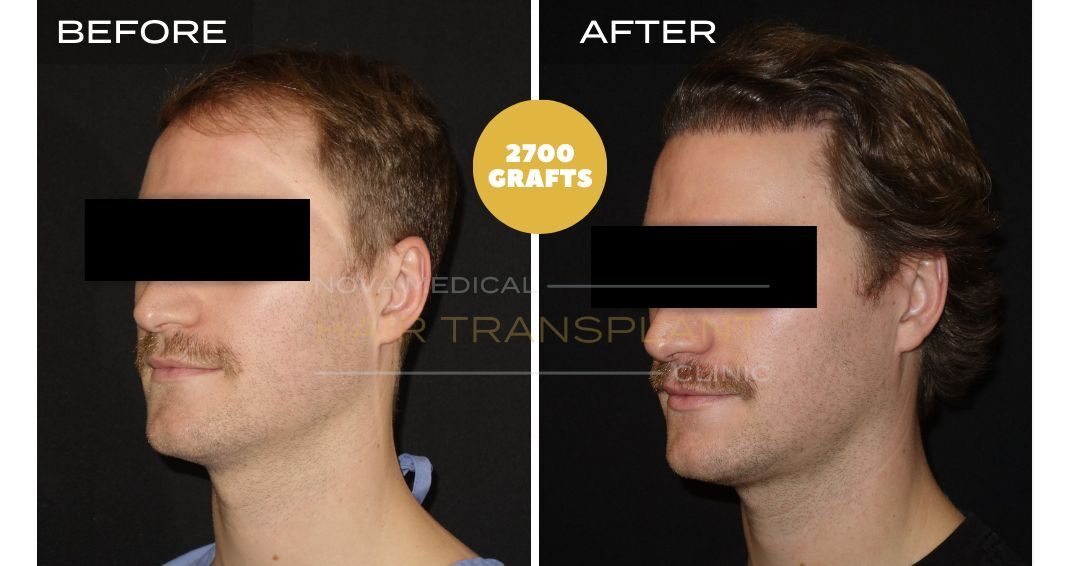
Direct Hair Implantation also known as DHI is an advanced technique of hair transplantation that focuses on the direct extraction and implantation of hair follicles.
This method uses a specialized tool called the DHI implanter, allowing for precise control over the depth, direction, and angle of each implanted hair follicle. The procedure is characterized by its minimally invasive nature, reducing the time the follicles spend outside the body, which potentially increases the survival rate of the transplanted hair.
DHI does not require the creation of pre-made slits in the recipient area, which means there's less bleeding and trauma to the scalp. As a result, patients can expect a quicker recovery time and less postoperative discomfort compared to traditional methods. The precision of the DHI method in Toronto also allows for higher density planting, providing a more natural-looking hairline and aesthetic outcome for the patient.
Despite these advantages, the success of DHI heavily relies on the skill and experience of the surgeon. It requires meticulous attention to detail to ensure the natural-looking results and high survival rate of the follicles. This is where the specialized team at Nova Medical Hair Transplant in Toronto comes into play, leveraging years of experience to optimize outcomes.
In Toronto, Direct Hair Implantation (DHI) begins with a detailed consultation where our hair restoration specialists assess your hair loss and discuss your desired outcome. A personalized plan is crafted, focusing on achieving a natural-looking hairline and density.
The scalp is then prepared, and local anesthesia is applied to ensure comfort throughout the procedure. During DHI, hair follicles are individually extracted from the donor area with precision and then directly implanted into the target area using a specialized DHI implanter pen. This method allows for exceptional control over the placement, angle, and depth of each follicle, promising a natural and aesthetically pleasing result.
After the procedure, patients receive comprehensive aftercare instructions to support healing and hair growth, with follow-up appointments to monitor their progress. The initial signs of growth are visible within a few months, with the full impact of the restoration evident after 9-12 months, showcasing a denser and revitalized hairline.
While DHI (Direct Hair Implantation) and FUE (Follicular Unit Extraction) are both modern hair transplantation techniques offering minimally invasive options for patients, there are distinct differences between the two methods, each with its own set of advantages.
FUE involves the careful individual extraction of hair follicles from the donor area, typically the back of the head, which are then implanted into the recipient areas. This method is known for its ability to leave minimal scarring and offers a quicker recovery period compared to older transplantation techniques. FUE is a widely used, well-established method for hair restoration due to its versatility and effectiveness.
DHI, on the other hand, refines the FUE process by directly implanting the extracted follicles into the scalp without the need for creating holes beforehand. This approach allows for more precise placement of the hairs, potentially leading to a denser and more natural-looking outcome. However, DHI requires more specialized skills and tools and tends to be more time-consuming and costly than FUE.
At Nova Medical Hair Transplant in Toronto, we combine aspects of both DHI and FUE in our hair transplantation method. Our technique combines the precision and natural results of DHI with the efficiency and versatility of FUE. Our years of experience, Royal College-certified surgeons and considered approach allow us to tailor the procedure to each individual's needs, supporting hair density and natural growth patterns. This methodology is built around each patient, working toward results with minimal discomfort and recovery time.
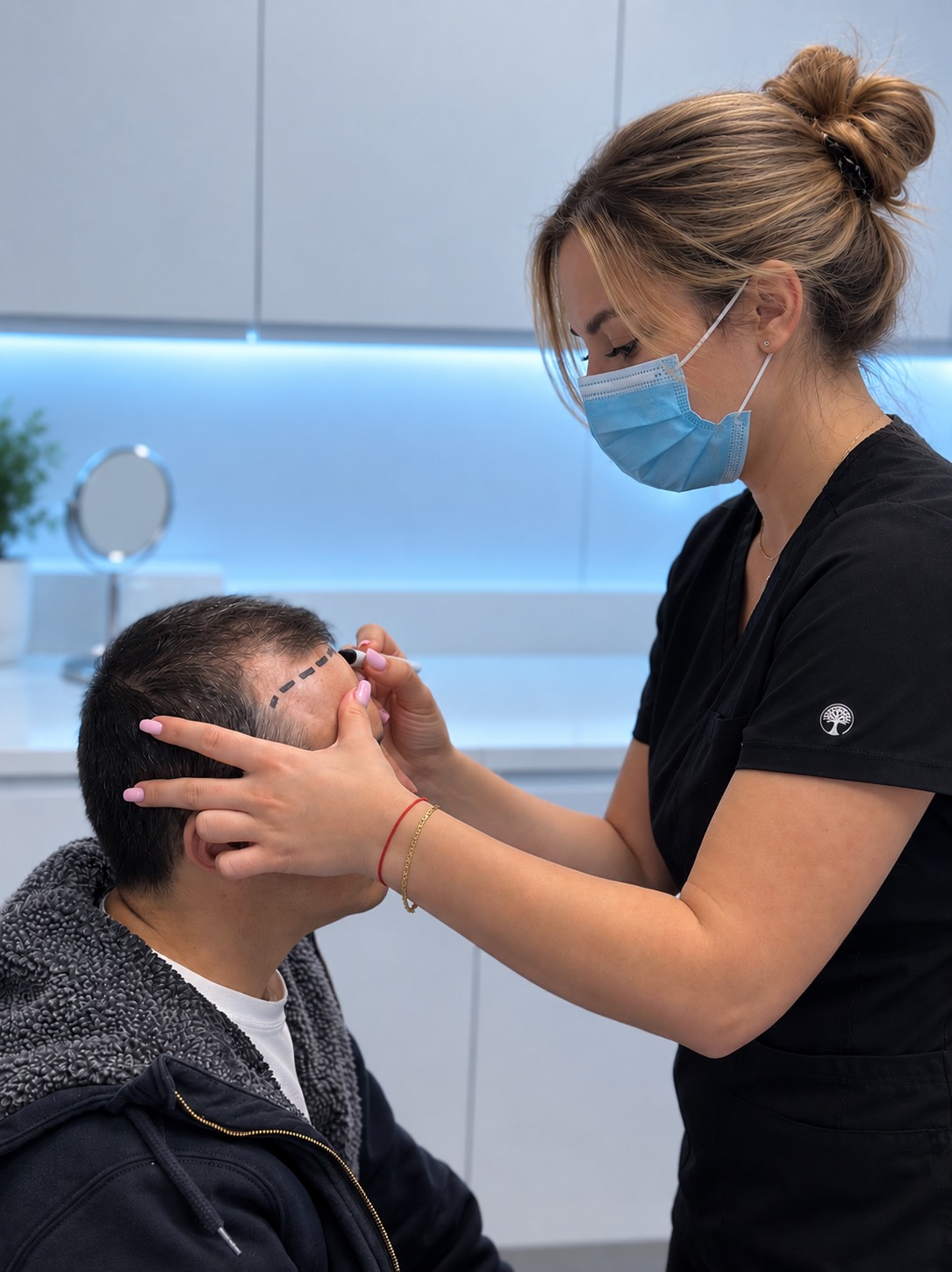
FUE, or Follicular Unit Extraction, involves harvesting hair strands from the scalp's back without leaving a linear scar. Instead of a scar, this method uses a 1-millimetre punch blade to extract tiny micrografts, leaving only minuscule, nearly invisible scars.
As a result, hair at the back of the head can be trimmed very short without revealing any signs of micrografting. While the graft harvesting process is time-intensive, the outcomes justify the effort.
FUE is particularly suited for younger individuals, African-Americans, and those with limited donor hair. It's also the preferred choice for patients seeking to grow facial hair such as beards, mustaches, sideburns, thick eyebrows, and other facial hair.
FUT stands for Follicular Unit Transplantation, a method where a strip of hair is removed from the back of the head. During the procedure this area is carefully closed and sutured to minimize scarring. The harvested hair, typically comprising 1 to 4 strands per micrograft, is then transplanted to the balding areas of the scalp.
This transplantation is done with precision, mimicking the natural growth pattern of hair, ensuring the final result looks completely natural.
Need more information about either of these techniques?
Natural hair is the crown you never take off.
No obligation • Same-week availability
The journey to a hair transplant procedure begins with your decision to undergo a hair transplant in Toronto. The first thing you need to do is to choose the right medical facility. It is important to ensure that the procedure will be taken care of by a professional Royal College-certified plastic surgeon, who knows exactly what's best for the patient's specific hair condition.
Nova Medical Hair Transplant in Toronto provides a fully accredited and on-site operating room, where you can expect careful standards of safety, sterility, and a comfortable environment for your hair transplant experience. And with our surgeon's expertise, you are in good hands.
In the initial consultation, our team will engage in a thorough yet approachable conversation to understand your specific hair concerns. This includes examining any previous hair transplantation you've had, reviewing the hair care products you currently use, and assessing your overall medical history, including any medications you are on.
We will then perform a physical exam to know the pattern of hair loss. The hair's quality, such as the texture, thickness, and colour will be in consideration to assess if you are eligible for surgery. If you are eligible, you will be scheduled for the hair transplant procedure.
The operation usually starts early in the morning. You will most likely need to change into a comfortable gown, slippers, and nice plush robe as you prepare yourself for the operation.
There will be a final consultation on how the procedure will take place and what you can expect. This is when the surgeon will discuss with you the overall goals or the objectives of the hair transplant.
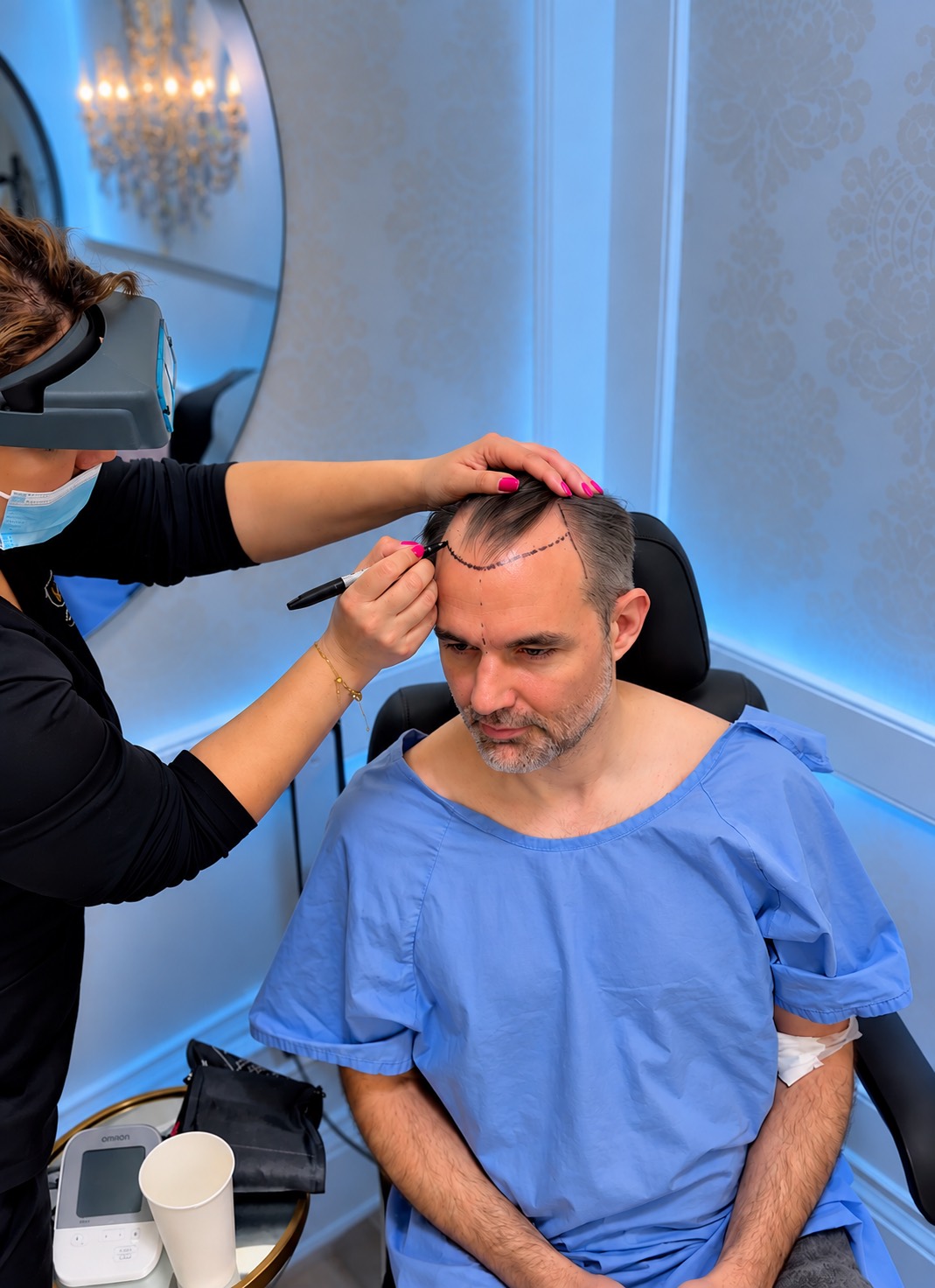
The next step involves determining the hairline design - whether to restore the existing hairline or create a new one. Emphasis is placed on achieving a natural look, with precise measurements taken to ensure symmetry. Additionally, the staff will capture photographs of your hair to serve as further reference and for before-and-after comparisons.
Once everything is set, the actual hair transplant procedure will take place. If the procedure is the follicular unit extraction or FUE, the hair at the back will be shaved to a military-cut style. If it's a strip technique, it is only needed to trim the area where the strip is harvested.
After that, you will be transferred to the procedure room for the injection of local anesthesia. Once the scalp is anesthetized, the surgical team then carries on with harvesting the grafts under the surgeon's direction.
Every single graft is hand-selected and picked out to ensure only the best graft will be used for the transplant. If it's a strip technique, the strip is harvested with careful surgical precision under the surgeon's supervision and the incision is then sutured back together.
While at this stage, most experts will recommend their patients to bring and do something to entertain themselves like bringing earbuds and a phone to listen to their favourite music or podcasts. You can do the same, or if you like, this is also the best time to catch a nap.
Once the grafts are all harvested, the team performing the procedure will examine each graft under a microscope to make sure that every single graft has excellent quality. Then, the procedure will resume in the transplant room with the actual transplanting of these grafts.
This technique is commonly called "stick and plant," which means that every graft has corresponding holes and there are no unnecessary holes made to make it easier to stick and plant the hair. The planting of the grafts needs to be precise, well-thought-of and put in the right location to get as natural results as possible.
You will be sitting back in a reclined chair to relax during this stage. As soon as the procedure is finished, you will realize how easy and pain-free the overall procedure was. You're welcome to read our patient's journeys and reviews to learn more by visiting our clinic's listing.
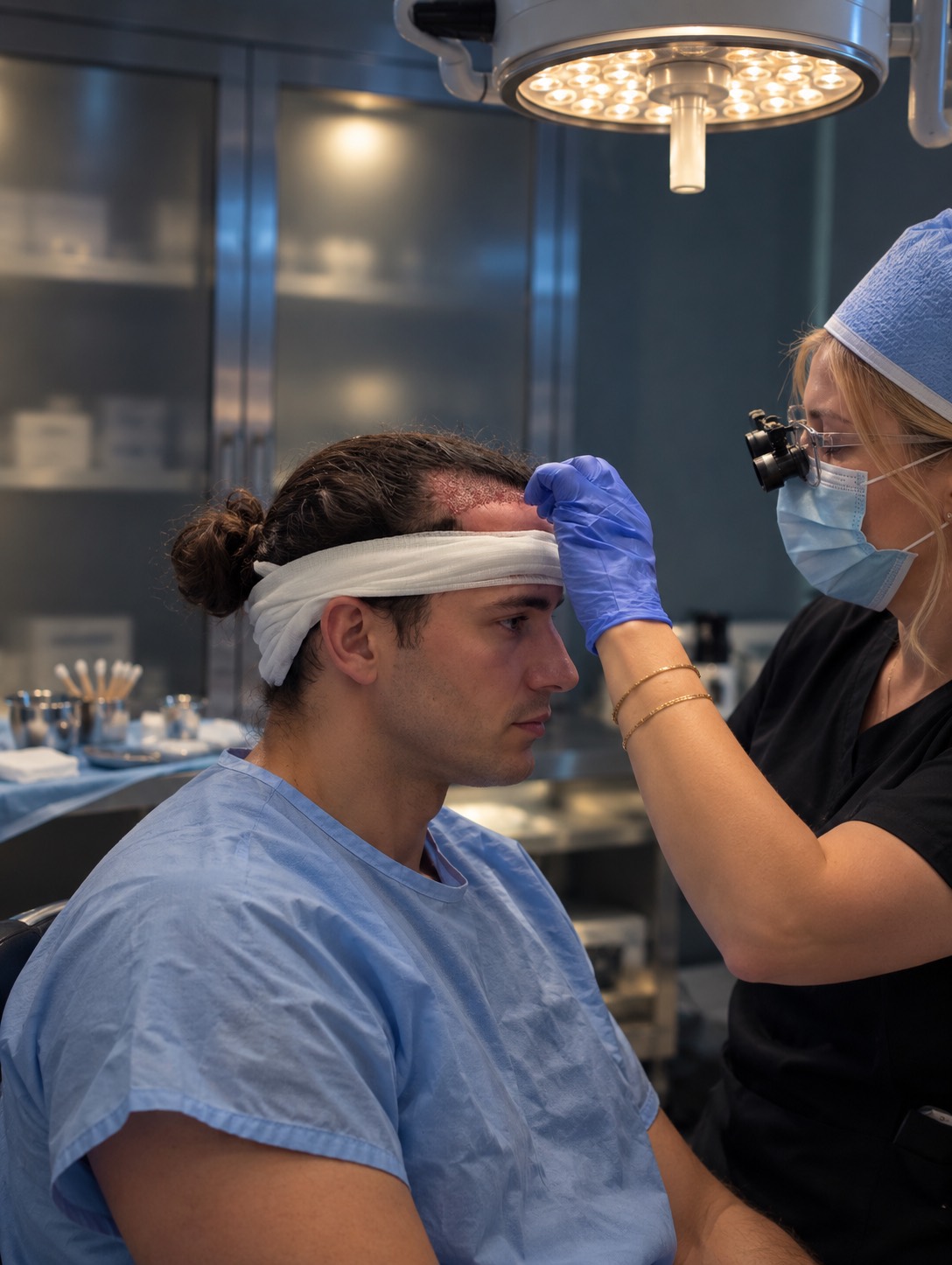
After the procedure, patients should not worry about leaving the clinic with bandages on their heads as it is typically unnecessary. All patients who underwent a hair transplant in Toronto will instantly feel and experience their fuller locks.
In terms of medication, patients need to take antibiotics and medicine to lessen the chance of swelling, especially in the first three days after the procedure. For the first two nights, mild pain pills are also recommended to make sleeping more comfortable.
Most patients can also go back to work and their day-to-day activities with zero downtime. Washing the hair after the surgery won't be a problem as long as it is taken with extra care.
For other physical activities like swimming, strenuous exercises, and weight lifting, patients have to wait for about one to two weeks.
For the growth of the transplanted hairs, it will be noticeable within four to six months. To hasten the growth, most patients use Minoxidil, a topical solution for hair growth. By applying it every night, you can expect fast growth of the transplanted hair.
The full effect of the hair transplant procedure will take place within 12 to 18 months, and hair will continue to grow for a lifetime.