
An eyebrow transplant rebuilds a brow the same way a scalp restoration does, only on a far smaller and more delicate scale. Using follicular unit extraction (FUE), single hair follicles are lifted one at a time from a donor site - usually just behind the ear or low on the back of the scalp, where the hair is fine enough to pass for brow hair - and set into the brow along the exact pattern a natural eyebrow follows. It is precise, unhurried work, and the difference between a brow that convinces and one that does not comes down almost entirely to how each of those hairs is angled and placed.
What separates a transplant from every temporary alternative is that the hair is your own and it keeps growing. Microblading and cosmetic tattooing sit on the surface of the skin and fade; makeup washes off at the end of the day. Transplanted follicles behave like the hair they were before they moved - they grow, they can be brushed, trimmed, and shaped, and they stay for good. For most patients that permanence is the whole reason to choose surgery over a treatment they would have to keep repeating.
Brows thin or vanish for a long list of reasons: years of tweezing, thyroid and autoimmune conditions, alopecia, chemotherapy, scarring from an accident or an old piercing, or simply genetics that never gave you much to begin with. A transplant can address nearly all of these, provided there is healthy donor hair to draw on. At Nova Medical Hair Transplant in Toronto, every brow is mapped to the face it belongs to, so the shape suits your bone structure, your other features, and the way you actually carry your face day to day.
Patients come to the clinic for this kind of detailed facial work from across Toronto, Mississauga, Brampton, Vaughan, and the wider GTA. Dr. Martin Jugenburg, a Royal College–certified plastic surgeon (FRCSC), oversees the surgical plan for each eyebrow case, and the aim never changes: a brow that looks like it grew there, not one that was drawn on.
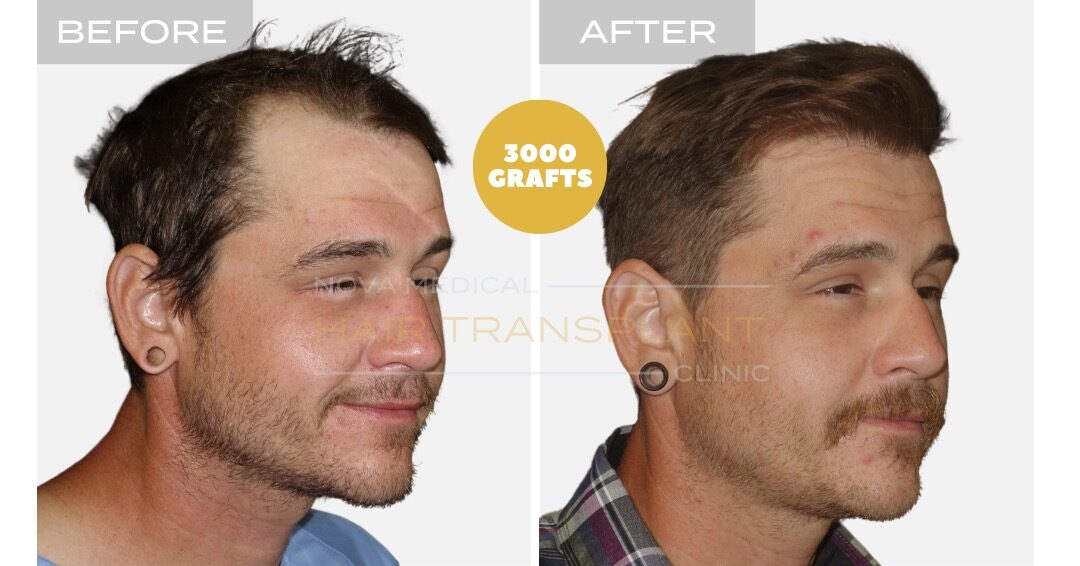
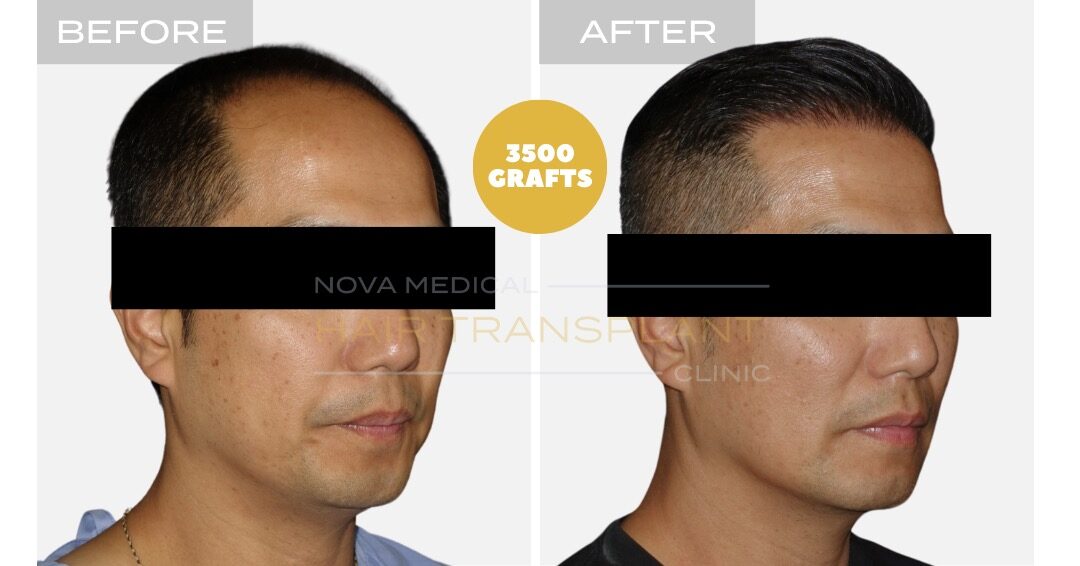
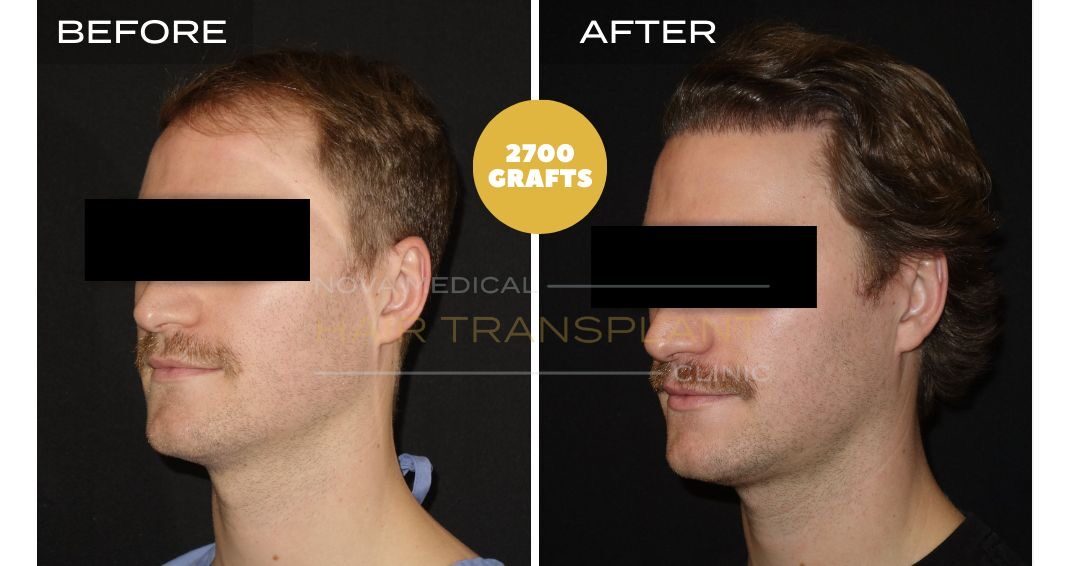
We study your face at rest and in movement, then draw the brow on before anything else happens - shape, arch, thickness, and where each tail should end. You see the design and adjust it with us until it is right.
Fine, single hairs are chosen from behind the ear or the lower scalp, picked because their calibre and texture pass for native brow hair rather than looking coarse against it.
Working under local anaesthetic, each follicle is removed on its own with a micro-punch. Nothing is cut as a strip, so the donor area is left with only pinpoint marks that close over quickly.
Every graft is placed by hand at a shallow angle and in the direction brow hair naturally lies - flat, fanning outward, and shifting along the length of the brow - which is what makes the result read as real.
Surface healing takes roughly seven to ten days. The placed hairs shed within weeks, then regrow from month three or four, filling in gradually until the brow settles at around a year.
There is no single price for an eyebrow transplant, because the work is measured in grafts and no two brows need the same number. Filling a few sparse gaps is a much smaller job than rebuilding a brow that has almost nothing left, so the quote follows the work rather than a fixed menu.
As a rough guide, brow cases tend to fall between 50 and roughly 200 grafts per side, with a full two-brow restoration often landing somewhere in the low hundreds overall. Your exact figure depends on how much brow you still have, the density you are after, and the condition of your donor hair - all of which we assess in person before quoting.
Financing is available if you would rather spread the cost, and your consultation includes a plain breakdown of the graft estimate and what it involves, with no pressure to commit on the day. We would rather you left with an honest number than a rushed booking.
Natural hair is the crown you never take off.
No obligation • Same-week availability
Most eyebrow transplants are finished within two to four hours. Graft count and the intricacy of the design set the pace, and because both brows are completed in the same visit, you leave with a matched, balanced result rather than coming back to even things out later.
You stay awake and comfortable the whole time. The area is frozen with local anaesthetic, the team checks in as they go, and there is no general sedation to recover from - most patients are back to quiet daily activities within a day or two.
It is close, meticulous work, and we treat it that way. The session is kept calm and unhurried from the first graft to the last, so the day feels less like an operation and more like a long, careful appointment.
A brow transplant suits people whose eyebrow loss has settled rather than actively changing, and who have enough healthy donor hair on the scalp to rebuild from. The same precise technique also restores beards. We work out both during the consultation. The reasons brows thin out are varied, and these are the ones we see most often:
Even though it is one of the smaller procedures we perform, a well-designed brow changes the balance of the whole face - which is exactly why the details matter so much.
Because the brow is built from living follicles rather than pigment, it grows, moves, and catches the light the way real hair does - and it does not fade, smudge, or need redoing every couple of years.
The design is yours. Some patients want a strong, defined brow; others simply want to restore what age or over-plucking took away. The shape is drawn to your face and your taste before a single graft is placed.
For anyone who has spent years drawing brows on each morning or hiding thin patches, waking up with brows that are simply there - no pencil, no stencil - tends to matter far more than the size of the procedure suggests.
Facial hair restoration is its own discipline. Rebuilding a hairline is largely about density and coverage; rebuilding a brow is about proportion, symmetry, and the fact that brow hairs grow in several directions at once across a span of just a few centimetres. It rewards restraint and an eye for the face as a whole, not only the follicles.
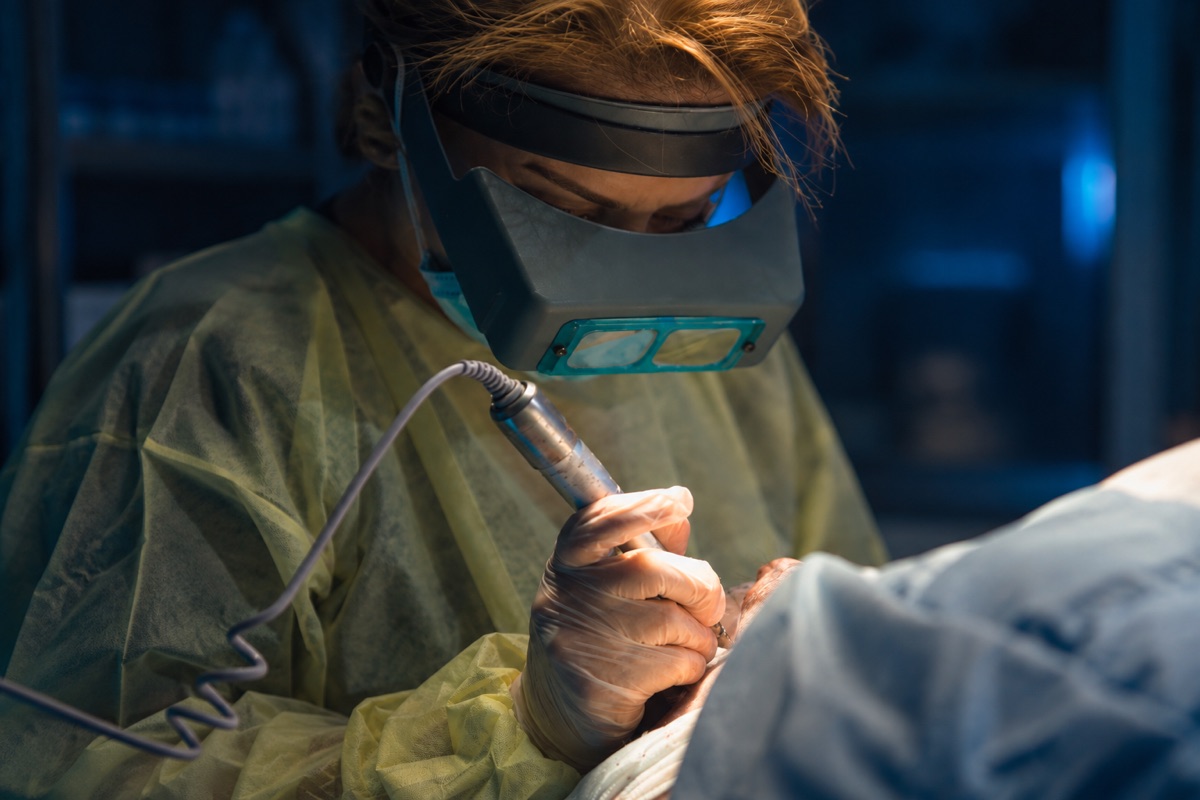
Of every decision tied to an eyebrow transplant, the surgeon you choose matters most. This is delicate, permanent work on the most expressive part of the face, so the person planning it needs both the technical skill and the aesthetic judgement to get the shape and placement right the first time.
Credentials are a reasonable place to start. At Nova Medical Hair Transplant in Toronto, eyebrow cases are overseen by Dr. Martin Jugenburg, a Royal College–certified plastic surgeon (FRCSC), with a team that follows the same protocols on every case so the standard does not drift from one patient to the next.
Just as important is the time spent before surgery. A proper consultation means understanding what you want your brows to do for your face, assessing your bone structure and existing hair, and agreeing on a shape together - rather than applying one fixed idea of a “good brow” to everyone who walks in.
If there is a brow shape you have in mind, bring pictures - of yourself in the past, or of a look you like. They give us a starting point, though the final design is always adjusted to what will actually suit your face.
Certain blood thinners and supplements can worsen bleeding and bruising. Do not stop anything on your own - you will get a specific list of what to pause, and for how long, ahead of your date.
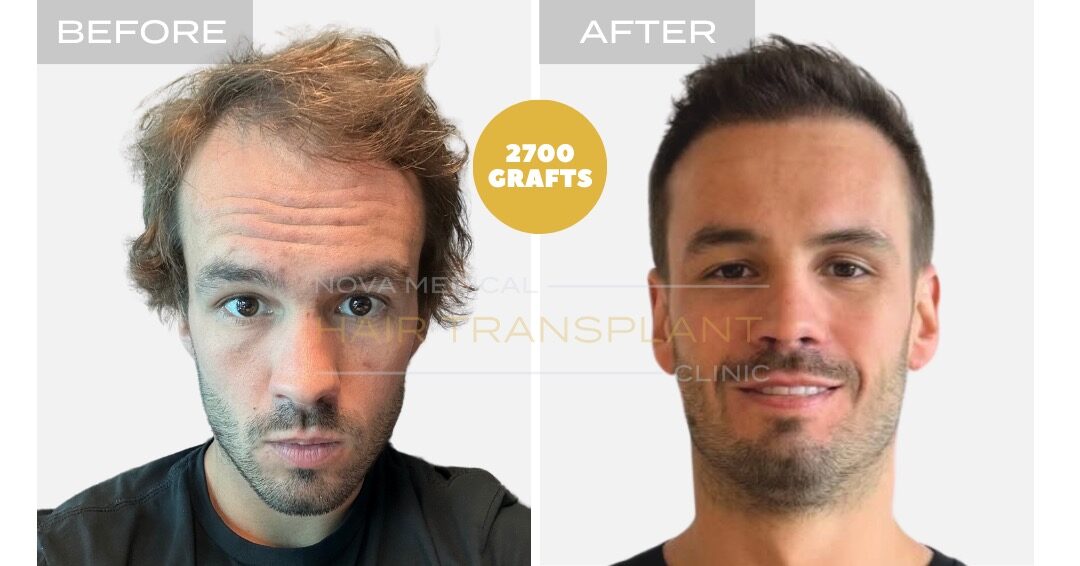
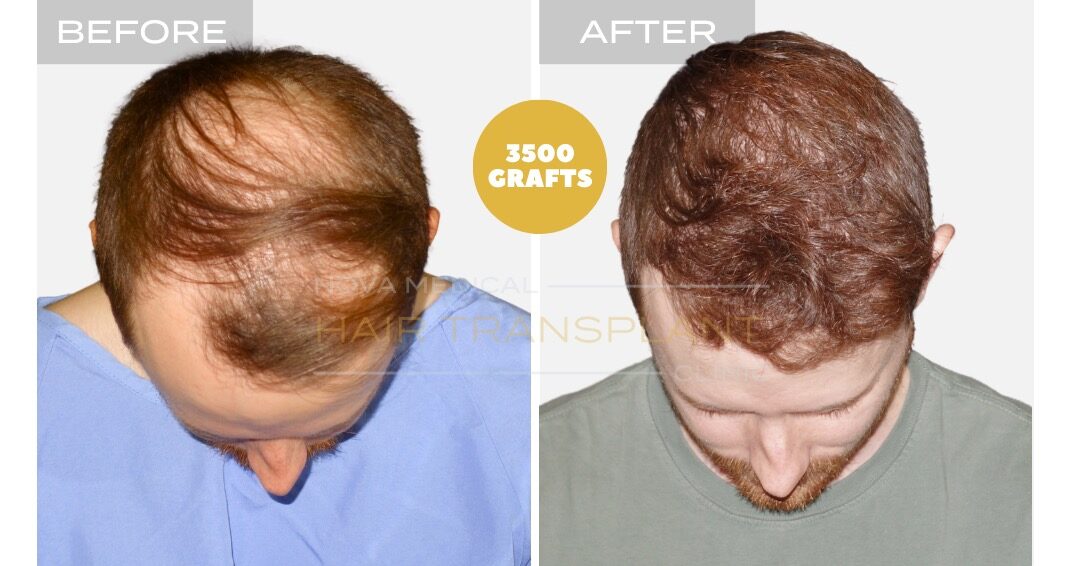
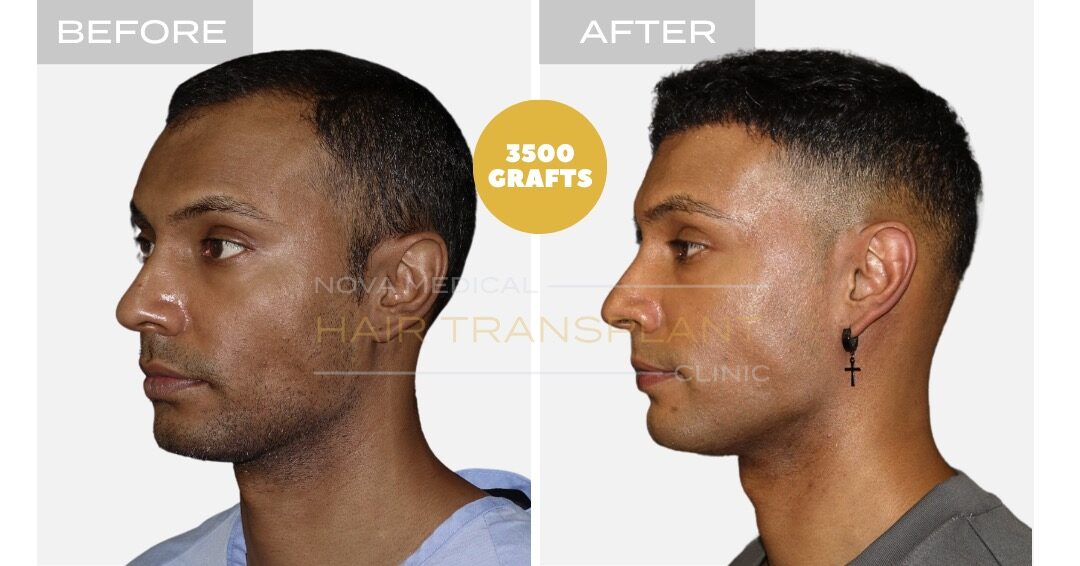
Looking through genuine before-and-after cases beforehand helps you arrive with realistic expectations and makes the consultation more useful, because you can point to what you do and do not want.
Expect some redness, mild swelling, and tiny crusts around each graft. Keep the brows dry and hands-off - no rubbing, picking, or scratching, however tempting.
The transplanted hairs fall out around now. This is normal and expected, not a failure - the follicle stays behind and resets. Leave the brows alone; no plucking or trimming yet.
New hairs begin to push through, fine and pale at first. They thicken and darken gradually, and the brow slowly starts to look like the design you agreed on.
The result matures. The new hairs blend with any existing brow, the density settles, and from here the only upkeep is the occasional trim to hold the shape.
The day opens with the design. Before any anaesthetic, the shape, thickness, and arch of your new brows are drawn on and checked against your face until you are happy with them - nothing is placed until that outline is settled.
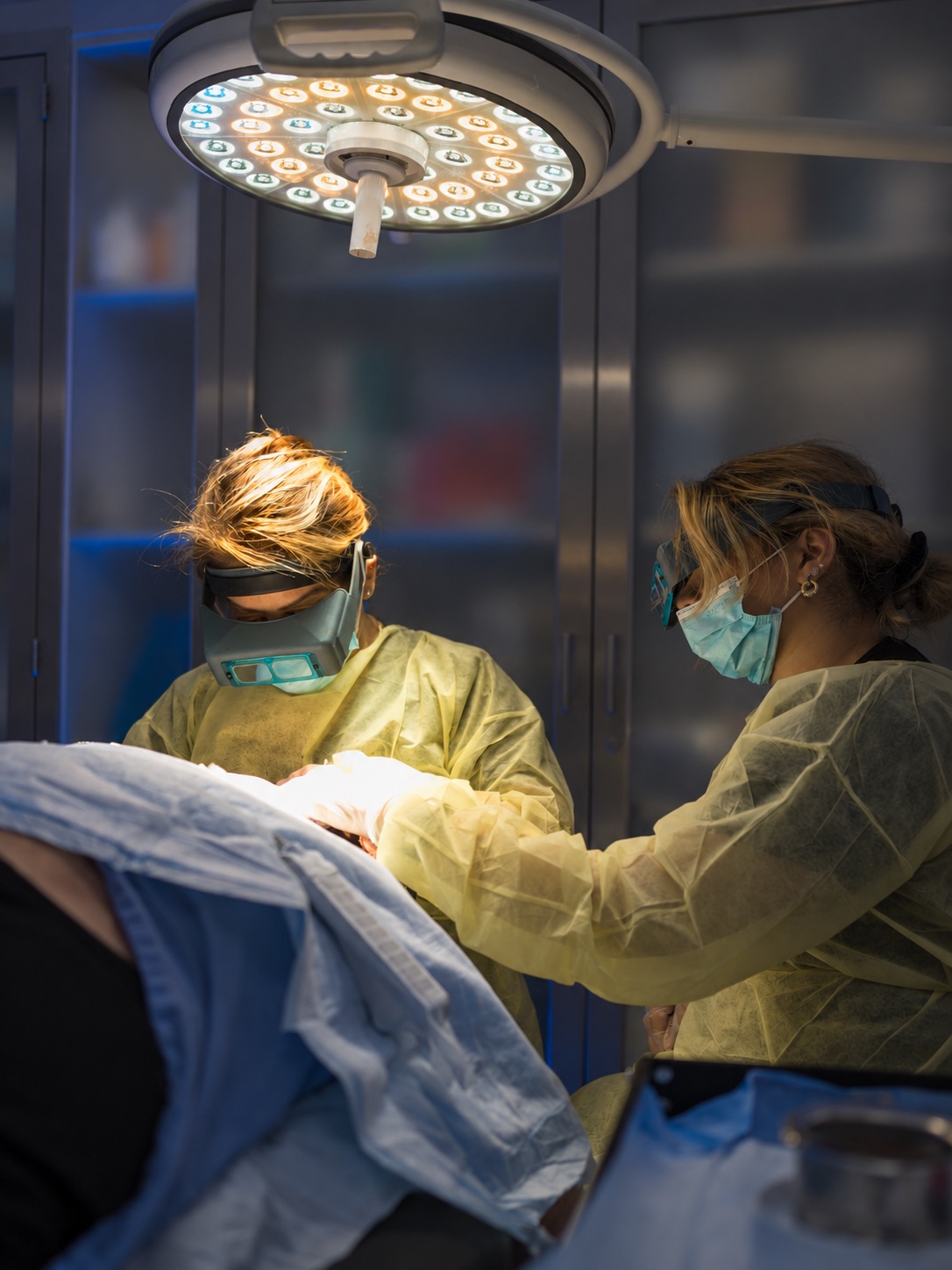
The donor area and the brows are then frozen with local anaesthetic. Using FUE, individual follicles are lifted and implanted one by one, each angled to follow the natural flow of brow hair. It is quiet, methodical work, and you are comfortable throughout.
Once the last graft is in, you are given clear written aftercare and sent home the same day. Some redness and light swelling over the first few days is normal and settles on its own.
Facial hair restoration at our Toronto clinic calls for design judgement, restraint, and precise placement - supported by real, verifiable credentials.
Boston, USA - A facial plastic surgeon and founder of The Spiegel Center, recognized internationally for his work in facial aesthetics and hair restoration.
Florida, USA - A plastic surgeon certified by the American Board of Plastic Surgery, trained under experienced figures in advanced plastic surgery.
Toronto, Canada - A Royal College–certified plastic surgeon (FRCSC) whose practice is built on careful, natural-looking results in surgical and reconstructive work.