
PRP hair loss treatment - short for platelet-rich plasma therapy - is a non-surgical way of working with your own biology to address thinning hair. A little of your blood is drawn, placed in a centrifuge that concentrates its platelets and growth factors, and then injected into the parts of the scalp where the hair has started to weaken.
Those growth factors are thought to give still-active follicles a boost - coaxing more of them into their active growth phase, encouraging blood flow around the roots, and gradually helping the hair you already have look fuller across a course of sessions.
Since the plasma comes from your own body, PRP is what doctors call autologous - nothing foreign is put in, which keeps its safety profile reassuring when trained medical staff carry out the treatment. There is no cutting, no stitching, and next to no time away from your routine.
For a lot of Toronto patients, PRP is an early move - a way to shore up the hair they still have before committing to surgery, or something added to an FUE hair transplant. It is not a cure, and how much it helps depends on the type and stage of your hair loss, but for the right candidate it can earn a place in a longer-term plan. We see patients from across Toronto, Mississauga, Brampton, Vaughan, and the wider Greater Toronto Area.
Throughout this page you will find how PRP is prepared, who tends to benefit, what a realistic course of sessions looks like, and where it fits alongside surgery - so you can weigh it up with a clear picture rather than a sales pitch.
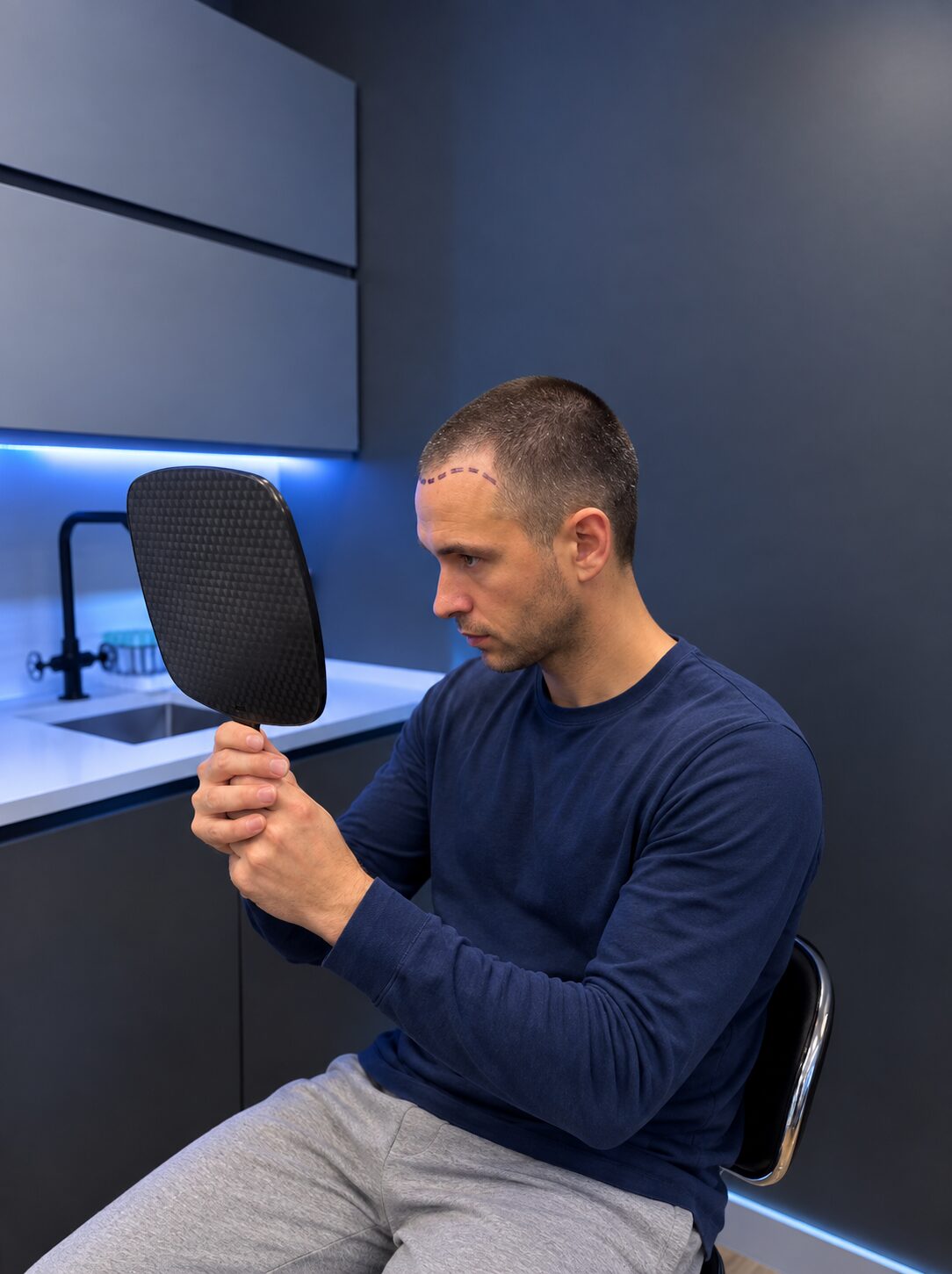
A physician looks over your pattern of loss, your medical history, and the condition of your follicles to judge whether PRP suits you - and whether it works better on its own or paired with another treatment.
A small amount of blood is taken from your arm, just as it would be for an everyday lab test. That is the only ingredient - the whole treatment is built from your own plasma.
That sample goes into a centrifuge, which separates out and concentrates the platelets and growth factors to create the platelet-rich plasma itself.
Once the area is numbed if you prefer, the plasma is placed just under the skin across the thinning areas, carrying the growth factors straight to the follicles that need them.
Most plans open with a short run of sessions a few weeks apart, then settle into occasional top-ups that keep the response going as your hair reacts over the months.
What PRP treatment costs in Toronto comes down to how many sessions your plan needs and whether it stands alone or forms part of a wider restoration approach. Since it runs as a course rather than a single appointment, the pricing is shaped around your goals.
Some people use PRP purely as upkeep for early thinning, while others fold it into a surgical plan such as FUT or FUE. At your consultation we will set out a realistic schedule and talk through what it involves.
Financing is available to keep things manageable, and you can look over our full hair transplant pricing and financing details. You will get a clear, itemised quote with no pressure and nothing hidden.
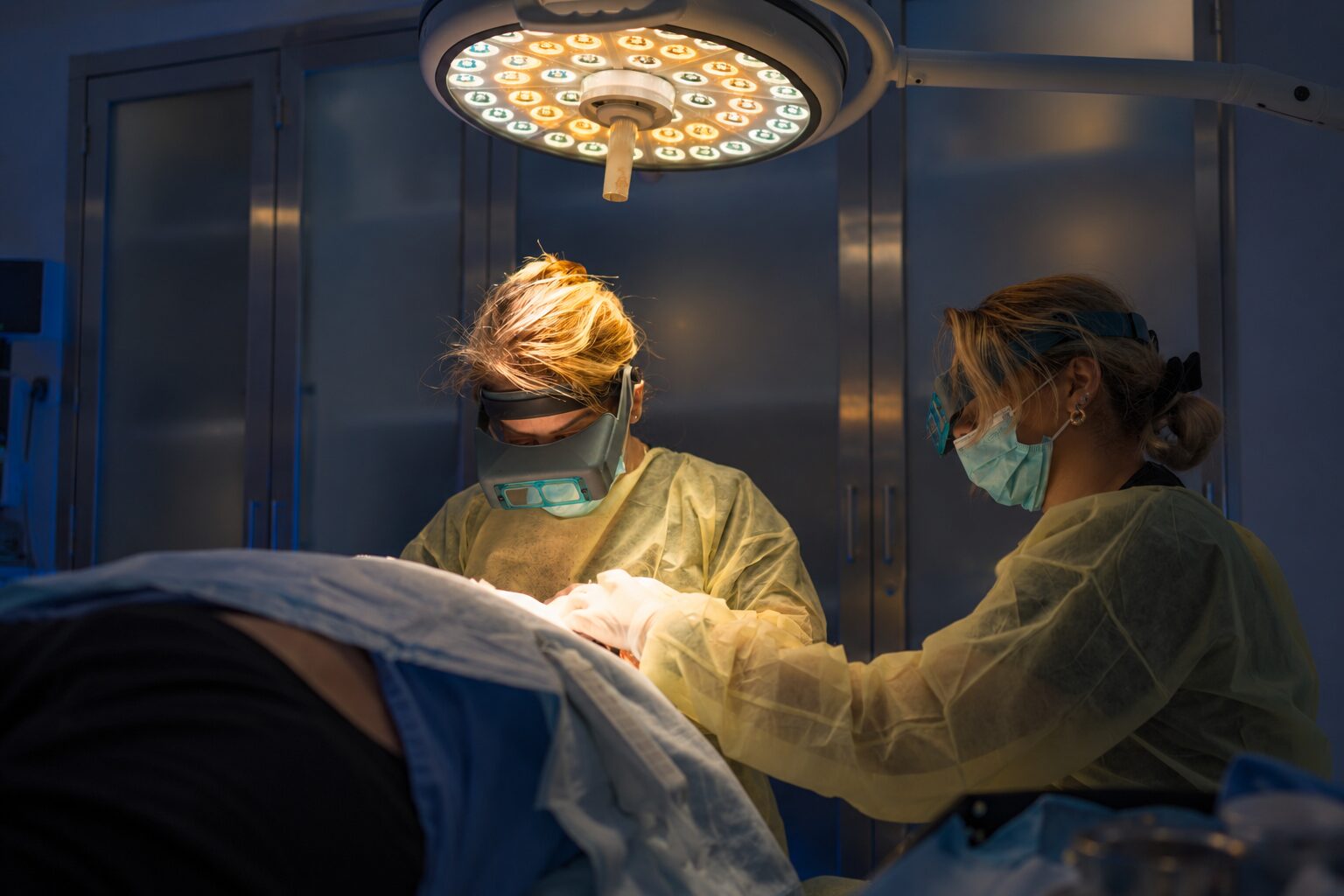
Strengthen the hair you still have before more of it goes.
No obligation • Same-week availability
A single PRP session in Toronto generally runs 30 to 60 minutes, from the blood draw through to the last injection. It is a straightforward in-office visit with no general anaesthetic, so you stay awake and at ease throughout.
With nothing to cut and nothing to stitch, most patients head straight back into their day afterwards. That ease is a large part of PRP's appeal - it slots around work and family without the recovery a surgical procedure asks for.
A typical plan strings together a handful of these visits a few weeks apart, with the occasional maintenance session afterwards to hold on to what you have gained.
PRP has the most to offer when there are still living follicles to work with, which puts early to moderate thinning right in its wheelhouse. It suits patients after a non-surgical route, or those wanting to reinforce the hair sitting around a transplant.
A non-surgical way to support your follicles - built entirely from your own blood.
No incisions, no stitches, no scarring. PRP goes in through fine injections, which keeps it among the gentler, less invasive approaches to hair loss.
Being autologous, PRP is made from nothing but your own plasma. With no foreign material involved, the chance of an allergic reaction stays very low.
Most patients return to work and everyday life the same day, with no more than brief, mild tenderness where they were treated.
The concentrated growth factors are meant to feed follicles that are flagging, helping the hair you already have look denser and in better condition as time passes.
PRP sits comfortably alongside an FUE or FUT transplant, looking after the surrounding native hair as part of a rounded plan.
Each visit lasts roughly 30 to 60 minutes, so PRP is easy to fit around work and family with no drawn-out recovery to plan for.
PRP is not a blanket answer. How much it helps hinges on why your hair is thinning, which is precisely what we work out before suggesting it. It tends to pull its weight in situations like these:
Because PRP leans on living follicles, it cannot bring hair back where the scalp has gone fully bald. In those areas a transplant is usually the sounder answer, and we will be straight with you about which route matches your goals. You can also read our comparison of hair transplant vs. PRP.
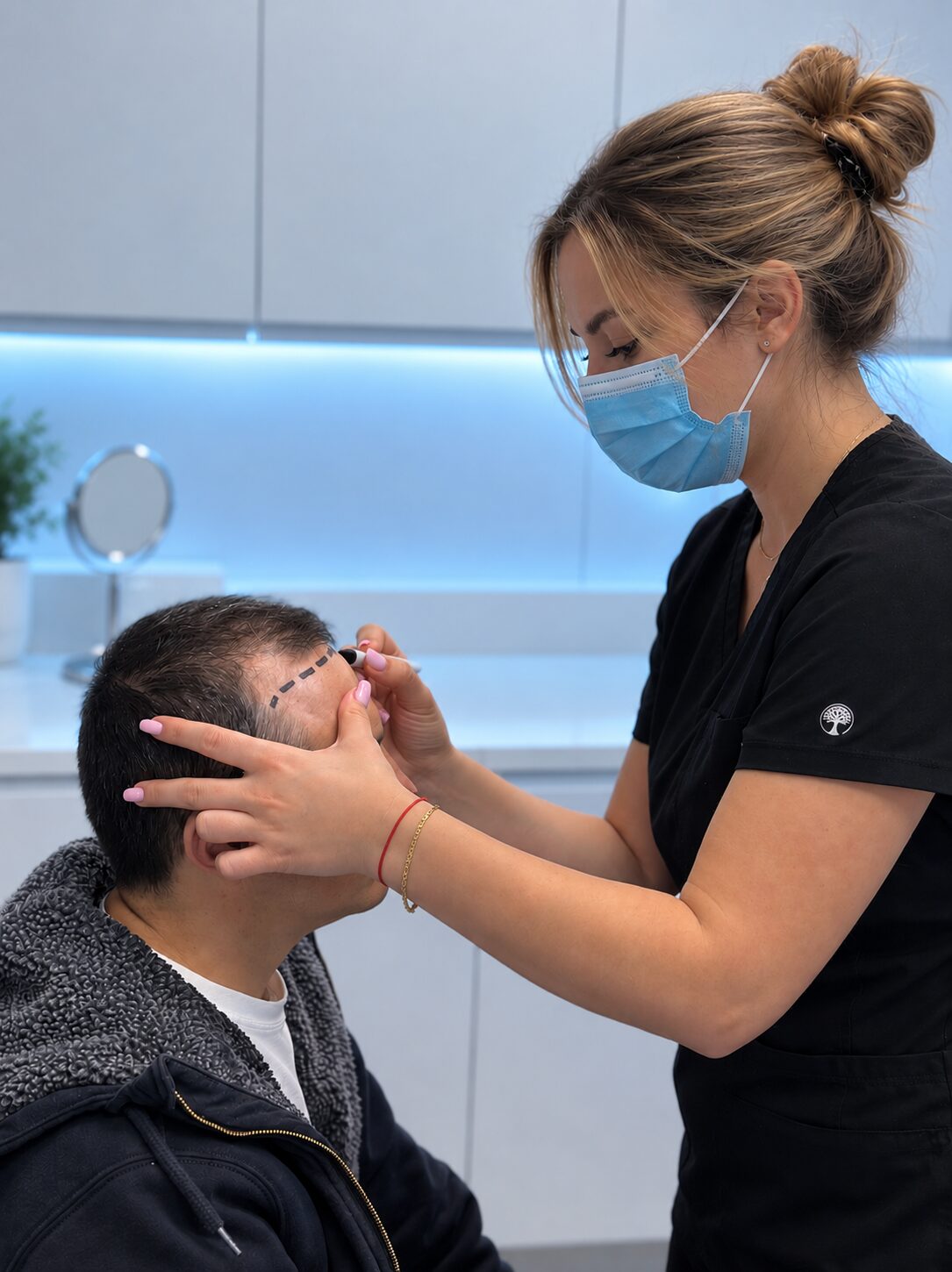
PRP is only ever as good as the assessment that sits behind it. Our physicians begin by pinning down why you are losing hair, then give you an honest read on whether PRP is likely to help - rather than handing the same package to everyone who comes through the door.
At Nova Medical Hair Transplant in Toronto, PRP is prepared and given under medical supervision, with care taken over concentration, technique, and your comfort. If it turns out to be right for you, we shape a realistic session schedule around how you respond and what you want to achieve.
As part of a multi-location practice, our clinic pairs local access with the backing of a wider surgical team and a consistent standard of care - the same thinking behind the Nova Protocol™.
Because we cover the whole range of restoration options - from PRP through to surgical hair transplants - your plan is built around you rather than squeezed into one procedure. Book a private consultation to see where PRP fits for you.
Have plenty of water and a normal meal before you come in. Turning up hydrated and fed makes the blood draw smoother and helps you feel steady during it.
Steer clear of anti-inflammatory medication, blood thinners, and alcohol ahead of time unless your doctor says otherwise, as they can interfere with platelets. We will give you specific guidance to follow.
Arrive with clean hair and leave heavy styling products off on treatment day. Beyond that there is nothing to organise - most patients simply carry on with their day once it is done.
A visit of 30 to 60 minutes. A little tenderness, mild redness, or slight tightness at the injection sites is normal and usually eases before long.
Skip hard exercise, saunas, and harsh hair products for a day or two. Most patients feel entirely themselves again by the following day.
Reduced shedding is often what patients notice first, and it tends to be the earliest hint that the follicles are responding.
As the opening series wraps up, those who respond often see thickness and density creep upward. The change builds slowly rather than arriving overnight.
Maintenance sessions help you hold on to the results over time, because PRP props the follicles up rather than changing them for good.
A real strength of PRP is how lightly it touches your routine. There is no surgical wound to tend and, for most people, no downtime worth the name - you can usually drive yourself home and be back at work the same day.
A touch of tenderness or redness where the injections went in is normal and usually clears within a day or two. We will send you off with simple aftercare notes, such as easing off hard workouts and harsh products for a short while.
Bear in mind that PRP works gradually and builds on itself. The strongest outcomes come from finishing the recommended course and staying on top of maintenance, not from one visit, and results do differ from person to person.
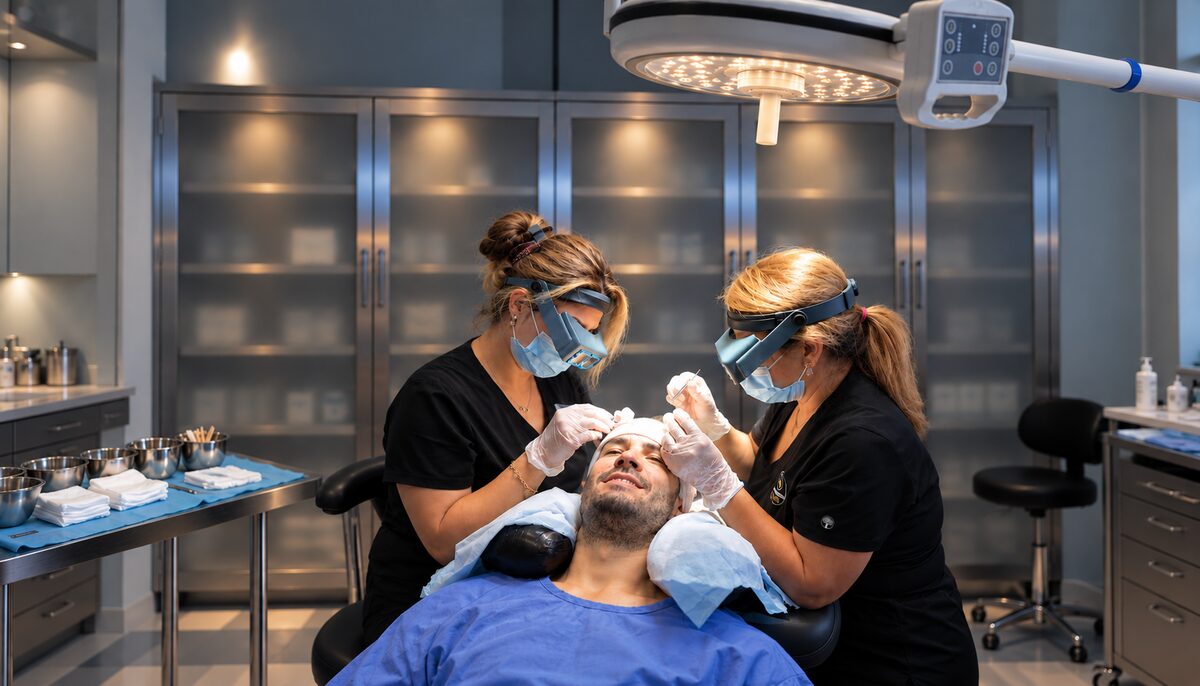
PRP and hair transplantation tackle different problems. PRP is a non-surgical therapy that props up and strengthens the follicles you still have, which makes it well suited to early thinning and ongoing upkeep. It does not conjure new hair where the follicles have gone.
A hair transplant physically moves your own permanent follicles into thinning or bald zones to build lasting, visible density. Where loss is further along, an FUE or FUT transplant is usually the more dependable route, with PRP playing a supporting part beside it.
Plenty of patients do well with a combined plan: a transplant to rebuild what has gone, and PRP to help guard the native hair around it. At your free consultation we will map out the right balance for your goals, and you can weigh up options in our results gallery and PRP vs. transplant guide.