
Follicular unit transplantation, usually shortened to FUT, is the strip-harvest method of hair restoration. Instead of taking follicles one at a time, the surgeon removes a single narrow band of skin from the permanent donor zone and the team divides it into grafts. For patients in Toronto who need a large number of grafts in one sitting, or who want to keep some length in their hair, it remains a practical and well-established choice.
At Nova Medical Hair Transplant in Toronto, the work moves through three clear stages. A thin strip of tissue is taken from the back of the scalp, where the hair is genetically resistant to thinning. That strip is separated under magnification into its natural follicular units - one, two, three, and four hairs at a time - so each graft stays intact. The units are then set into recipient sites laid out to match the direction, spacing, and density of your own hair.
The one trade-off of the strip method is a fine linear line in the donor area. The incision is closed with a trichophytic technique that encourages hair to grow up through the edge of the line, so it settles into the surrounding hair and stays easy to cover at everyday lengths.
Dr. Martin Jugenburg oversees the surgical plan for patients travelling in from across Toronto, Mississauga, Vaughan, Markham, and the wider GTA. The aim with FUT is the same as with any restoration here: a permanent result built around your anatomy and mapped out in advance, rather than left to chance.
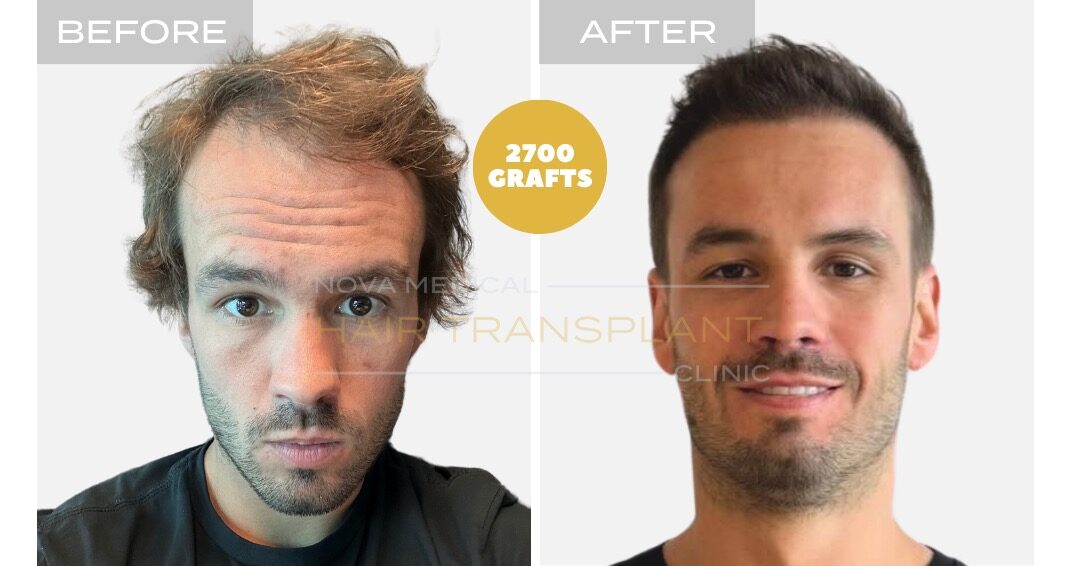
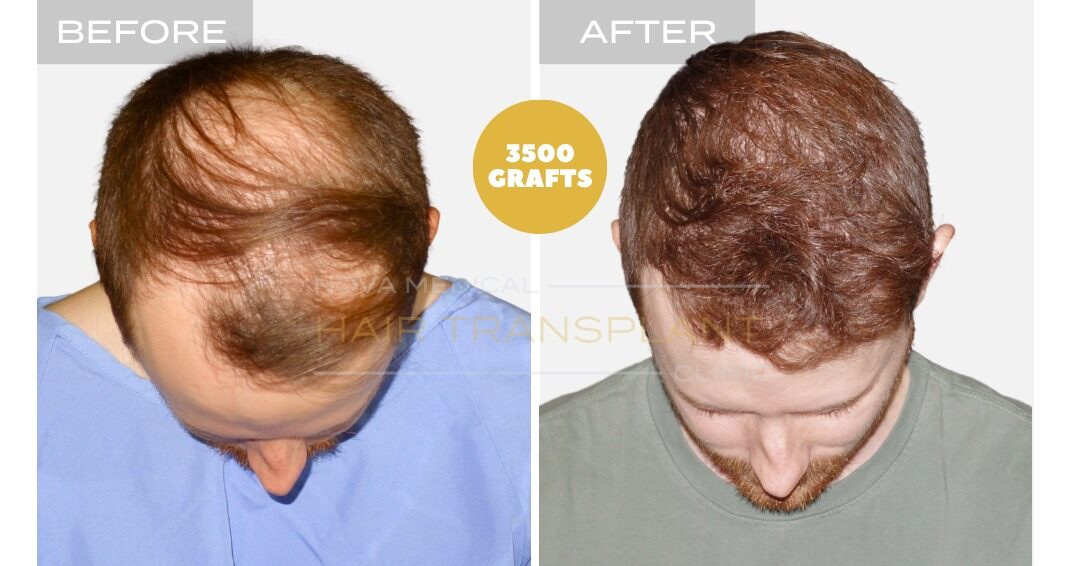
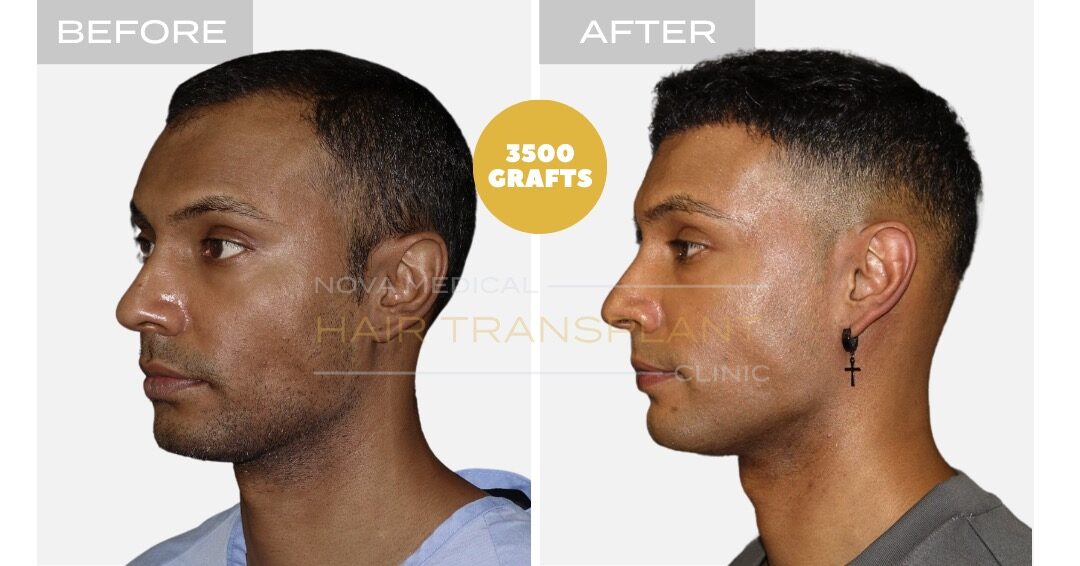
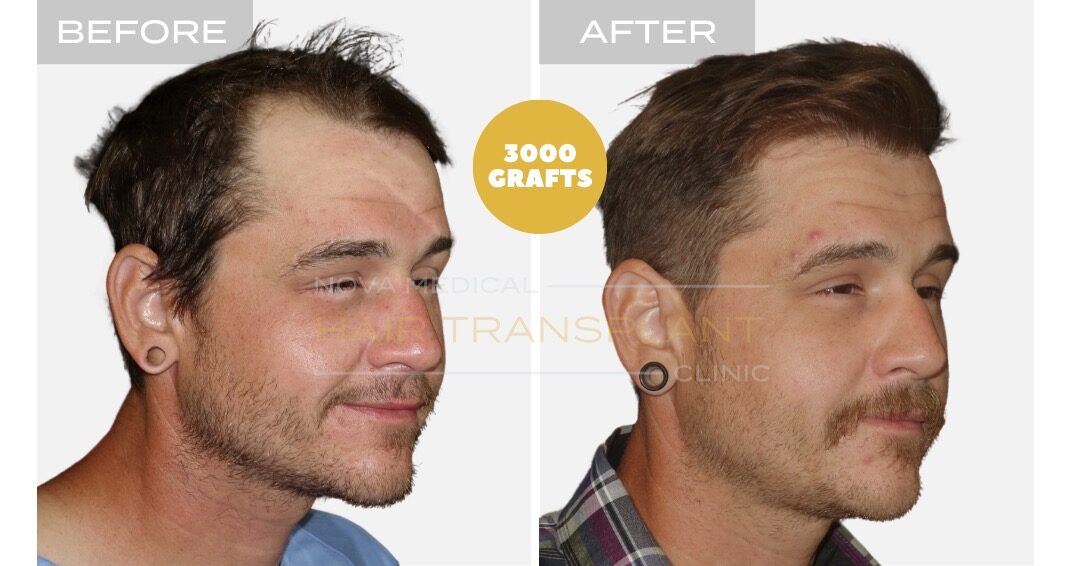
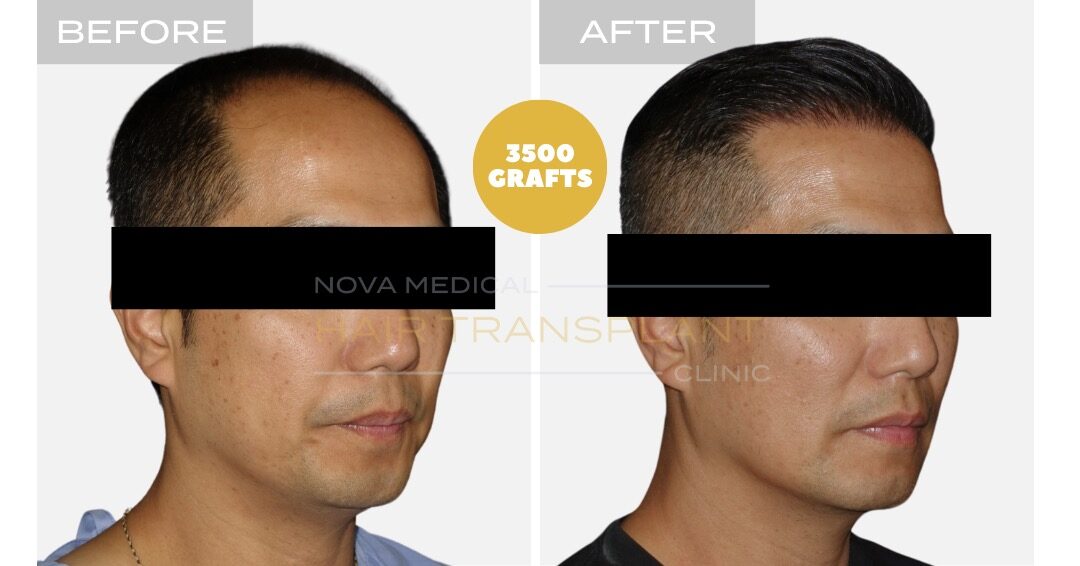
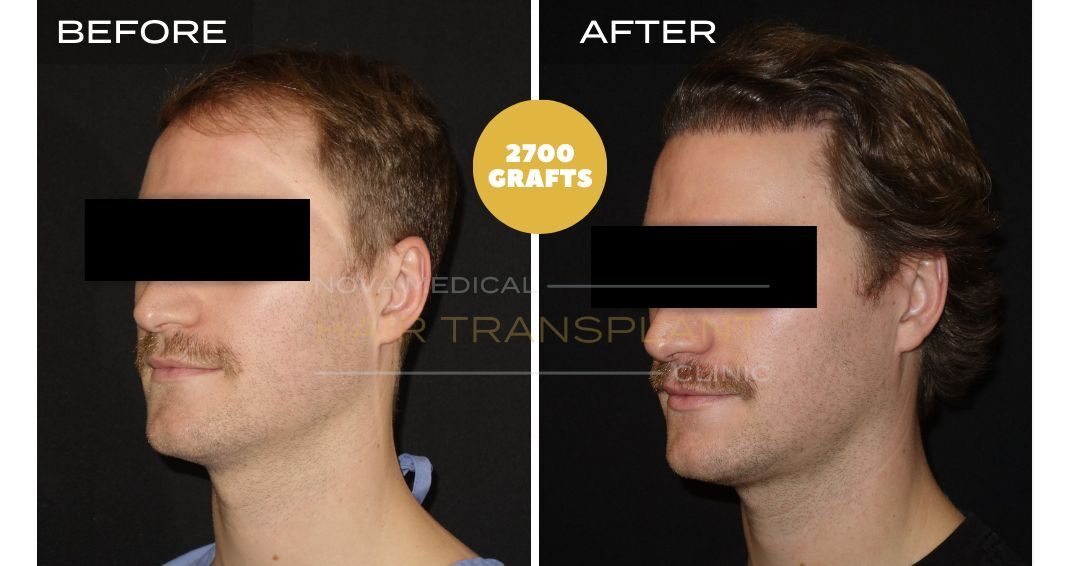
Your complimentary consultation reviews the stage of your hair loss, the density and laxity of your donor area, and whether the strip method suits your case, and finishes with a graft estimate built around you rather than a set package.
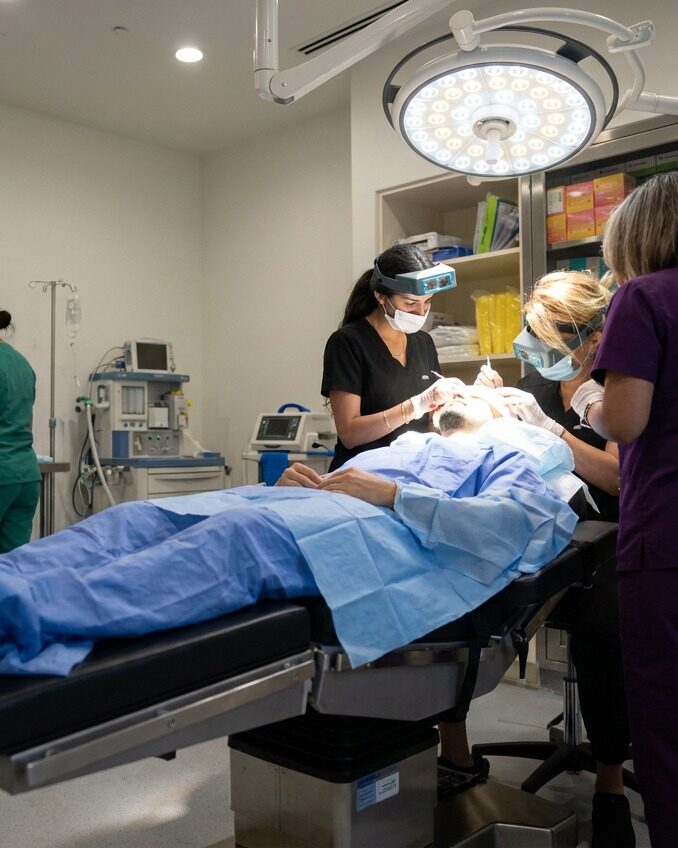
Working under local anaesthetic, a carefully measured strip is taken from the permanent donor zone at the back of the scalp. The edges are brought together with trichophytic sutures so the resulting line stays as fine and discreet as possible.
A dedicated team separates the strip into individual follicular units under microscopic magnification, sorting grafts of one, two, three, and four hairs so each can be placed exactly where it belongs.
Recipient sites are created at angles and densities that echo the way your hair naturally grows, and the grafts are set with care for both their survival and the look of the finished hairline.
The transplanted hairs shed within the first few weeks, fresh growth begins around the third or fourth month, and the result keeps maturing until roughly twelve to eighteen months out.
There is no single price for an FUT hair transplant in Toronto, because the number of grafts and the size of the area being restored differ from one patient to the next. Your quote reflects the coverage you are after, the strength of your donor supply, and the plan you settle on together.
One advantage of the strip method is efficiency. Because a single harvest can supply a large number of grafts at once, the cost per graft with FUT is often lower than with follicular unit extraction, which can matter when the goal is broad coverage rather than a small refinement.
Your free assessment includes a full graft estimate and a plain breakdown of the cost, with no pressure to book on the day. Financing is available to spread the investment over time, from $95 bi-weekly.
Natural hair is the crown you never take off.
No obligation • Same-week availability
A typical FUT session in Toronto runs somewhere between six and eight hours, and the graft count is what moves that figure. Larger cases of four thousand grafts or more can stretch the day closer to ten hours, since every unit is dissected and placed by hand.
You stay awake and comfortable throughout under local anaesthetic, free to listen to music, watch something, or simply rest while the team works. Breaks are built into the day for food and a stretch, and most patients head home the same evening.
The room stays private and unhurried from the first incision to the last graft, so even a long, detailed session feels far more manageable than most people expect.
FUT is not the right fit for every patient, but for the right one it delivers a great deal of density in a single sitting. It tends to suit patients who:
The appeal of FUT comes down to a few practical strengths - graft volume, efficient use of the donor area, and a result that lasts.
A single strip harvest commonly supplies 3,000 to 5,000 or more grafts in one session, which makes it well suited to advanced stages of hair loss.
Because so many grafts come from one harvest, the cost per graft is often lower than with FUE, which helps when broad coverage is the goal.
For patients at Norwood stage V through VII who need large-scale restoration, the graft volume of a strip harvest makes FUT a sensible option.
The strip technique has been refined across more than two decades of practice, with long-term data behind its permanent, dependable results.
Follicular units dissected under magnification and set at careful angles and densities produce coverage that blends in with the hair around it.
Much of your restoration goal can be reached in one thorough procedure, which keeps the total downtime lower than a series of smaller visits.
The strip method leaves a single fine line across the donor area at the back and sides of the scalp. In most cases the surrounding hair falls over it, and once healing is complete the line is genuinely hard to spot.
The incision is closed with a trichophytic technique, a form of suturing that lets hair grow up through and across the edge of the line. That softens its appearance from the earliest stages of healing rather than leaving a bare band.
Patients who keep their hair at a guard three length or longer usually find the line hidden in day-to-day life, and it becomes less noticeable still as the weeks pass and the hair around it fills back in.
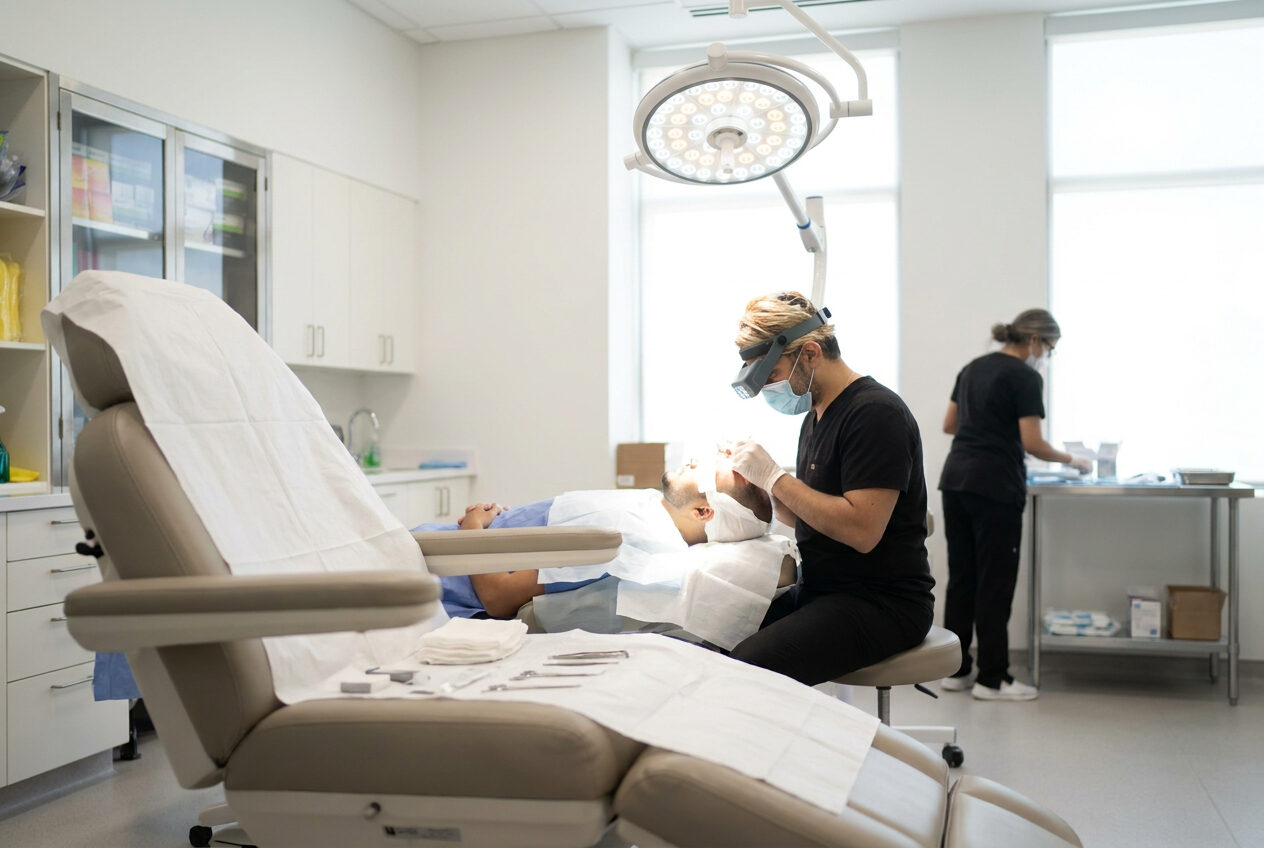
FUT still has a clear place because it answers a different question than FUE. It is not about being the newest option; it is about harvesting a large number of grafts efficiently when density, careful use of the donor area, and the scale of the case are what matter most.
At Nova Medical Hair Transplant in Toronto, the emphasis is on discreet, natural work whichever technique is used. That means unhurried consultations, honest planning, and surgery that protects your donor supply so you keep options open later in life.
Every FUT procedure here is overseen by Dr. Martin Jugenburg, a Royal College–certified plastic surgeon (FRCSC), with a team that follows the same protocols on each case for the sake of consistency and detail.
For the right patient, FUT is not a compromise but a considered choice. If you would like meaningful density planned into a single, well-organised session, you are welcome to book a private consultation with our team.
Some medications and supplements thin the blood and can add to bleeding, so pause them only on your surgeon's advice. You will be given a specific list to follow in the days before surgery.
Nicotine and alcohol both work against circulation and healing, so cutting back or stopping in the week or two beforehand gives the grafts the strongest possible start.
Unless you are told otherwise, wash your hair thoroughly on the morning of surgery and arrive with a clean, product-free scalp so the day can begin on time.
You go home the same day with the grafts in place, the donor incision closed, and a written aftercare plan. Some swelling and tightness along the donor line are normal that first night.
Swelling can peak across the forehead and scalp in this window. The donor line is usually the main source of soreness, and it is managed well with the medication you are given.
Most patients feel up to light daily activity by now. Small scabs over the recipient area start to loosen as you begin gentle washing exactly as instructed.
Your sutures come out at a follow-up visit. The donor line keeps settling and is usually well hidden by the hair growing around it.
The transplanted hairs commonly shed around now. It can look alarming, but it is entirely expected and part of the normal growth cycle.
Fresh hair begins to push through, and density builds steadily through these months.
The result reaches maturity, with the density, texture, and softness of the hairline continuing to improve across this period.
Most patients take somewhere between seven and fourteen days away from work after FUT. Some swelling and mild discomfort across the donor and recipient areas are common in the first week and are handled with the prescribed medication.
The donor incision is closed with trichophytic sutures, which come out around the ten- to fourteen-day mark. Where FUE leaves scattered dot-sized openings, FUT recovery centres on a single healing line rather than hundreds of small extraction points.
For most people the aftercare is straightforward as long as the washing, sleeping, and activity instructions are followed closely, and the donor line becomes easy to cover once the hair grows back over it.