
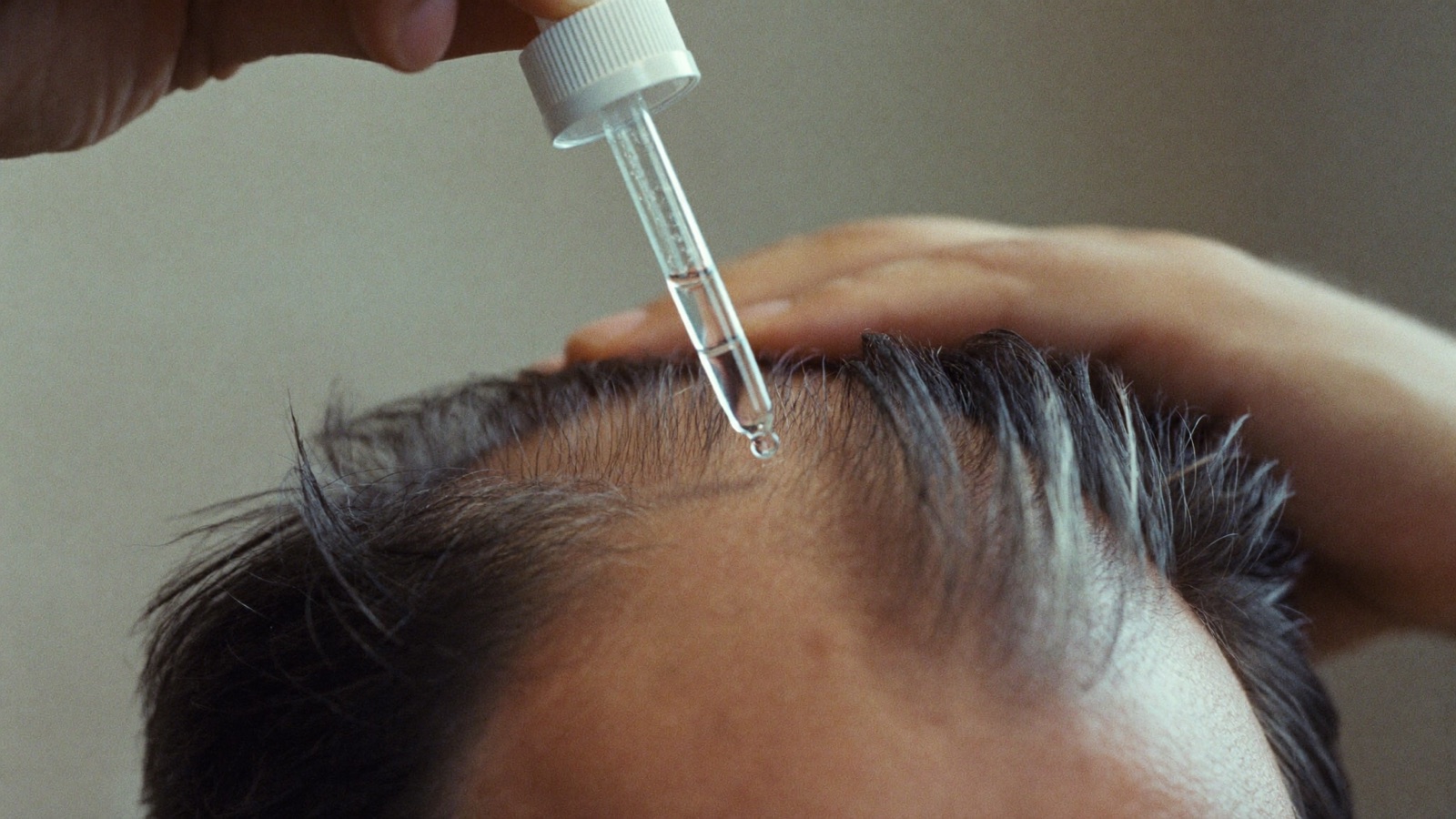
Finasteride and minoxidil are the two medications most often discussed alongside a hair transplant, and understanding what each does - and does not do - is one of the most useful things you can learn before surgery. A transplant moves hair that is resistant to loss; it does nothing to protect the native hair around it. That is the gap medical therapy is meant to fill. This guide explains how finasteride and minoxidil work, how they are accessed in Canada, and why a surgeon often recommends them as part of a long-term plan rather than an optional extra.
One important note before we start: this is general education, not medical advice. Both medications have real benefits and real trade-offs, prescription decisions belong with a licensed physician who knows your history, and nothing here replaces that conversation.
Why Medication and Surgery Solve Different Problems
It helps to see the two as complementary rather than competing. A hair transplant relocates follicles from the donor area - the back and sides, where hair is genetically resistant to DHT, the hormone behind pattern loss - into thinning areas. Those transplanted follicles keep their resistance and generally grow for life.
What surgery cannot do is stop your original, non-transplanted hair from continuing to thin. If that native hair keeps receding around a transplant, the result can look patchy over time. Medical therapy targets exactly that: slowing or stabilising ongoing loss so the hair you were born with lasts longer and the transplant sits in a stable frame. This is why many surgeons treat medication and surgery as two halves of one plan.
The distinction matters most for younger patients and anyone with actively progressing loss. Surgery addresses the map of your hair as it is on the day of the procedure; medication addresses the trajectory - where that map is heading next. A transplant designed without any thought to the trajectory can look excellent at first and then lose its balance as untreated native hair disappears around it. Thinking about both from the outset is what keeps a result looking intentional years later rather than like a snapshot that aged awkwardly.
Finasteride: How It Works
Finasteride works by reducing DHT, the hormone that gradually shrinks genetically vulnerable follicles. Less DHT means less of the signal driving pattern loss, which helps many men hold on to the hair they still have and, in some cases, see modest regrowth of miniaturising hair.
In Canada it is a prescription medication, taken as a daily tablet, so it requires an assessment by a physician. Its effect is maintenance-based: benefits continue while you take it and gradually reverse if you stop, so it is a long-term commitment rather than a course you finish.
Side effects deserve an honest conversation, not a sales pitch. A minority of men report sexual or mood-related side effects, and while most tolerate the medication well, the decision is personal and medical. Discuss the full picture - benefits, risks, and alternatives - with a physician rather than relying on forums or marketing in either direction.
Minoxidil: How It Works
Minoxidil takes a different route. Rather than acting on hormones, it is a topical treatment - applied as a foam or liquid to the scalp - that is thought to extend the growth phase of the hair cycle and improve blood flow to the follicle, encouraging fuller, longer-lasting hairs.
In Canada minoxidil is available over the counter, which makes it easier to start, though it still benefits from guidance on how and where to apply it. Like finasteride, its effect depends on continued use: stop, and the gains fade over the following months. Some users notice an early increase in shedding when they begin, which typically settles as the cycle resets - unsettling, but usually a normal part of starting.
Oral, prescription in Canada. Reduces DHT to slow pattern loss and sometimes regrow miniaturising hair. Maintenance-based - works while taken. Side effects affect a minority and warrant a physician discussion.
Topical, over the counter in Canada. Extends the growth phase and supports fuller hairs. Also maintenance-based. Early shedding on starting is common and usually temporary. Consistency of application matters most.
Do You Need Them After a Hair Transplant?
Not everyone does, but many benefit, and the reasoning is straightforward. The transplanted grafts are DHT-resistant and do not need protecting. The native hair around and behind them does. If that surrounding hair keeps thinning, you can end up chasing loss with repeat procedures, spending a finite donor supply faster than necessary.
By stabilising native hair, medical therapy can make a single well-planned transplant last longer and look more consistent as the years pass. This is particularly relevant for younger patients with active loss, where protecting the donor budget over decades matters more than a one-time result. It connects closely to how loss progresses over time - a theme we cover in our guide to the Norwood scale and graft counts, since the same forward planning shapes both the surgical and the medical side.
When to Start - Before or After Surgery?
Timing is one of the most common questions, and there is no single answer that fits everyone - but a few principles help. Many surgeons prefer patients to begin medical therapy, where appropriate, in the months before surgery rather than after. Starting earlier does two things: it lets you find out how well you tolerate a medication before adding the healing demands of a procedure, and it can begin stabilising native hair so the transplant is planted into a steadier environment.
There is also the matter of the early shedding some people notice when they first start minoxidil or finasteride. Going through that adjustment before surgery, rather than in the weeks after when the scalp is already changing, makes it far easier to tell normal medication shedding apart from the expected post-procedure shedding of transplanted hairs. Confusing the two is a common source of unnecessary worry.
After surgery, the picture is different again. The scalp needs time to settle, and any topical application has to respect the healing grafts and follow the aftercare instructions closely - which is why the specifics belong in your recovery plan rather than a general rule. Our hair transplant recovery guide covers how the weeks after a procedure unfold, and your surgeon will tell you when and how to reintroduce a topical around the grafts. The short version: start the conversation about medication before your procedure, not after, so the timing is deliberate rather than improvised.
PRP and Other Supportive Options
Medication is not the only adjunct. Platelet-rich plasma (PRP) therapy uses a concentration of your own blood platelets to support weakening follicles, and is sometimes used alongside surgery and medication as part of a broader maintenance approach. It is not a replacement for a transplant where follicles are already gone, but it can play a supporting role for thinning hair - our overview of PRP hair loss treatment in Toronto explains where it fits and where it does not.
The common thread across finasteride, minoxidil, and PRP is that they support existing hair. None of them recreates hair in an area that is truly bald - that is what a transplant does. Seen that way, the medical and surgical tools stop competing and start complementing: surgery restores what is gone, medication and adjuncts protect what remains.
What This Means for Your Plan
The practical takeaway is that a good hair restoration plan is rarely surgery in isolation. It usually combines a transplant to rebuild lost areas with a maintenance strategy to protect native hair - and the right maintenance strategy is individual. Some patients are well suited to both medications, some to one, and some prefer a topical-only or adjunct-only route for personal or medical reasons.
If you are still deciding whether surgery is even the right step, our FUE hair transplant guide covers the procedure side, and your consultation is the place to bring the medication question into the same conversation - so the surgical and medical halves of the plan are designed together rather than bolted on afterward. A physician can weigh your age, loss pattern, health history, and goals, and help you decide what belongs in your plan and what does not.
Frequently Asked Questions
Build a Plan That Protects Your Results
Dr. Martin Jugenburg (FRCSC) can assess your hair loss and help you decide how surgery and medical therapy fit together for your case - a free consultation, with no obligation.