
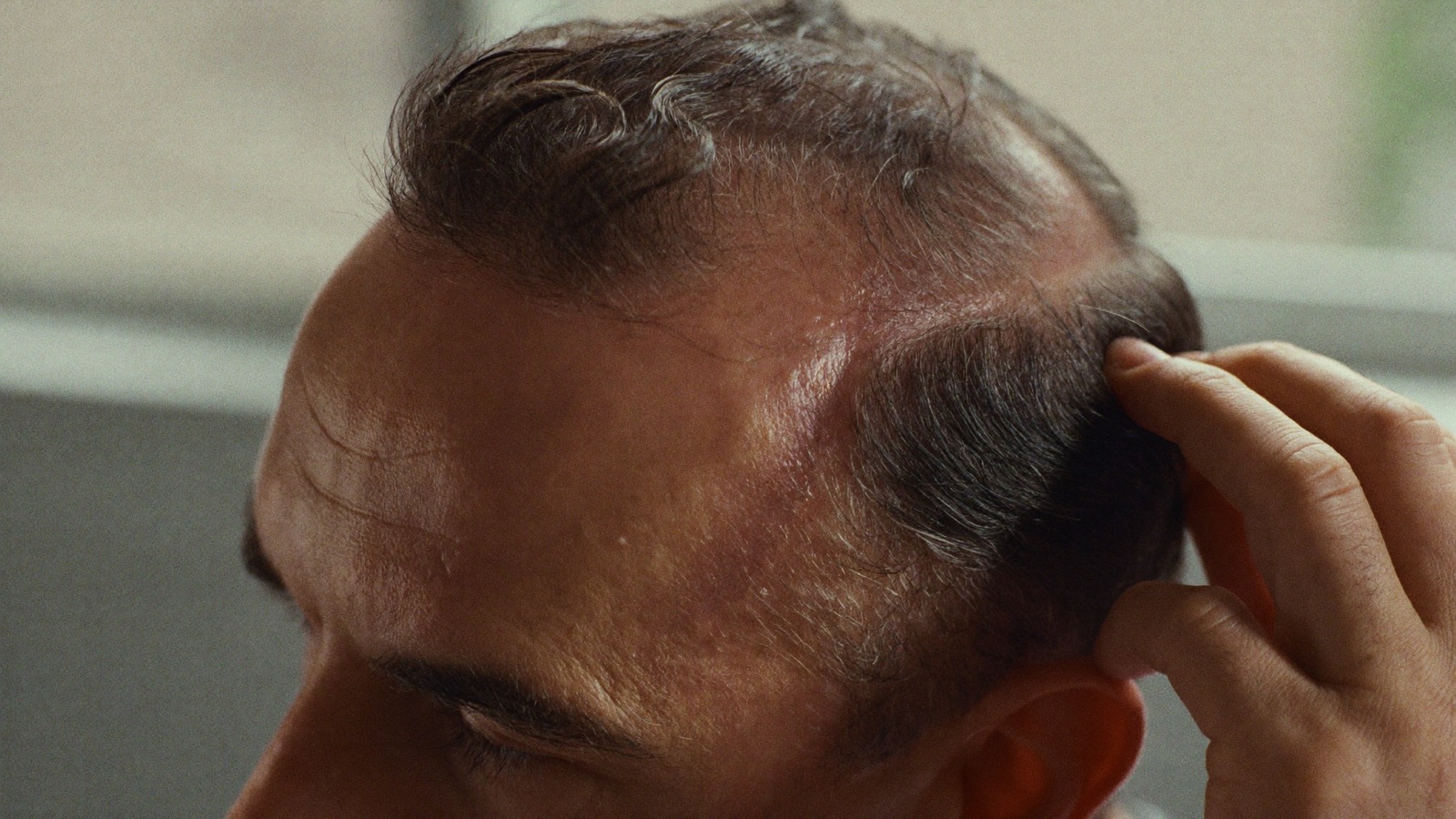
Knowing what each stage looks like takes most of the anxiety out of the process. This hair transplant recovery week by week guide walks a working professional through the whole arc - from the procedure day, through the scab and shedding weeks, to the months when the result finally looks natural. The healing itself is remarkably predictable, so once you can see the milestones laid out, planning your work and your expectations around them becomes straightforward.
A quick note on scope: this guide is the healing chronology - what is happening to your scalp and when. For how much time off to actually book by job type, see our companion guide on going back to work after a hair transplant, and for the full clinical picture our hair transplant recovery guide for Toronto patients goes deeper on aftercare.
Day 0: The Procedure Day
The procedure is a single outpatient day, carried out by the surgical team under the direction of Dr. Martin Jugenburg (FRCSC). There is no general anaesthetic, so you are awake and comfortable throughout and walk out the same day. By the evening the recipient area looks pink and the donor area is tender, and you will have clear aftercare instructions for sleeping slightly elevated and leaving the grafts alone. Most people feel fine in themselves - the limits are about protecting the work, not about feeling unwell.
Days 1-3: Redness and Swelling
This is the most visibly obvious stretch up close. The recipient area stays pink, and some people develop mild forehead swelling that peaks around day two or three before settling. It reads as little more than irritated skin from a step back, and it is cosmetic rather than painful. For a desk or remote worker this is the window most people choose to spend at home; booking the procedure late in the week folds these days into a weekend.
The grafts are most fragile in the first ten days. Everything in weeks one and two - the washing routine, avoiding sweat, no tight hats - is about getting the newly placed follicles safely through this settling period. After that the timeline is far more forgiving.
Days 4-7: The Scab Week
Small scabs form around each transplanted follicle and across the donor area. These are the clearest sign that something has been done, and they are the thing most people want to wait out before being seen closely. With the gentle washing you are shown, they soften and begin to flake away toward the end of the week. By roughly day seven to ten the scalp looks markedly more ordinary. Client-facing workers often time their return to the end of this week for exactly that reason.
Week 2: Back to Most Routines
By the second week the scabs have largely gone and the redness has calmed for most people. The scalp reads as normal to anyone not specifically looking, and ordinary daily life - office work, light activity, normal social contact - resumes comfortably. Strenuous exercise still waits a little longer; we cover exactly when in our guide to working out after a hair transplant. This is the point where most professionals feel fully back to themselves in public, even though the visible result is still months away.
Weeks 3-8: The Shedding Phase
Here is the stage that surprises people who have not been warned: the transplanted hairs commonly shed over these weeks. It can look as though the work has fallen out, but it is an expected, temporary part of the cycle - the follicles are resting before they begin to grow. There is nothing to conceal in the office sense, because the scabs are long gone; the task is simply patience. If the thinning worries you, our guide to shock loss after a hair transplant explains why it happens and why it is not a setback.
Months 3-6: Regrowth Begins
Somewhere around the third to fourth month the new hairs start to push through, often fine and a little wiry at first before they thicken. Progress is gradual and not perfectly even across the scalp, so month four can look patchy compared with month six. This is the "be patient" stretch - the trajectory is upward, but week-to-week change is subtle. Many patients find photographs taken monthly more reassuring than the mirror, which hides slow change.
Months 9-12: When It Looks Natural
By nine to twelve months the great majority of the regrowth has come in, the new hair has gained its normal calibre, and it blends with the surrounding hair so that it simply looks like your hair - because it is. A well-planned hairline, designed to suit your face and age, is what makes the result read as natural rather than obvious at this stage. Some density continues to build a little beyond the twelve-month mark, which is why reviews at around six and twelve months are part of the process. The technique behind that natural look - individual follicular units placed to mimic the way hair actually grows - is covered in our overview of FUE hair transplant in Toronto.
What Can Speed Up or Slow Down Your Timeline
The week-by-week pattern above is the typical arc, but the exact pace varies from person to person, and a few factors explain most of the difference:
- The size of the area treated. A larger session over a bigger area has more scalp to heal and more hairs to regrow, so the visible milestones can run a little slower than a small, targeted procedure.
- How closely you follow aftercare. Sleeping elevated early on, keeping to the washing routine, avoiding sweat and sun, and leaving the grafts alone all help the first fortnight go smoothly. Cutting corners here is the most common cause of a bumpier early recovery.
- Your own healing rate. Skin heals at different speeds, and factors such as smoking and general health influence how quickly redness and scabbing settle. This is individual and not something to compare post-for-post against someone else online.
- Whether medical therapy is part of your plan. If treatments to support the hair you still have are part of your plan, they are usually discussed at the consultation and can influence how the overall picture looks alongside the transplanted hair over the following year.
None of this changes the broad shape of recovery - a short visible window, a shedding phase, then regrowth over the year. It simply means the dates are a guide rather than a stopwatch, and the reviews at around six and twelve months are there to track your own progress against what is realistic for your case rather than a generic chart.
What Each Stage Means at Work
Mapping the healing onto a working calendar, the pattern is consistent regardless of the exact dates:
Week 1
Redness then scabs. Desk and remote workers often stay home the first few days; client-facing roles tend to wait until the scabs flake away near the end of the week.
Week 2 Onward
Scalp looks ordinary; normal work and light activity resume. Strenuous exercise and heavy physical jobs wait a little longer to protect the settling grafts.
Months 3-12
No work impact at all - this is pure regrowth. Colleagues simply notice a gradual improvement rather than a recovery, which is how most professionals prefer it.
Because the only work-relevant window is really the first week or two, planning around it is simple. Choosing a clinic that sets clear expectations for each of these stages matters as much as the surgery itself; our page on what to look for in a hair transplant clinic in Toronto covers the questions worth asking at a consultation. Get the first fortnight planned, understand that the real payoff arrives over the following year, and the week-by-week recovery becomes a process you can follow with confidence rather than worry.
Frequently Asked Questions
Map Your Recovery Before You Book
Dr. Martin Jugenburg (FRCSC) and the Nova Medical Toronto team can walk you through every stage of recovery and plan the timing around your work - a free, private consultation downtown, with no obligation.