
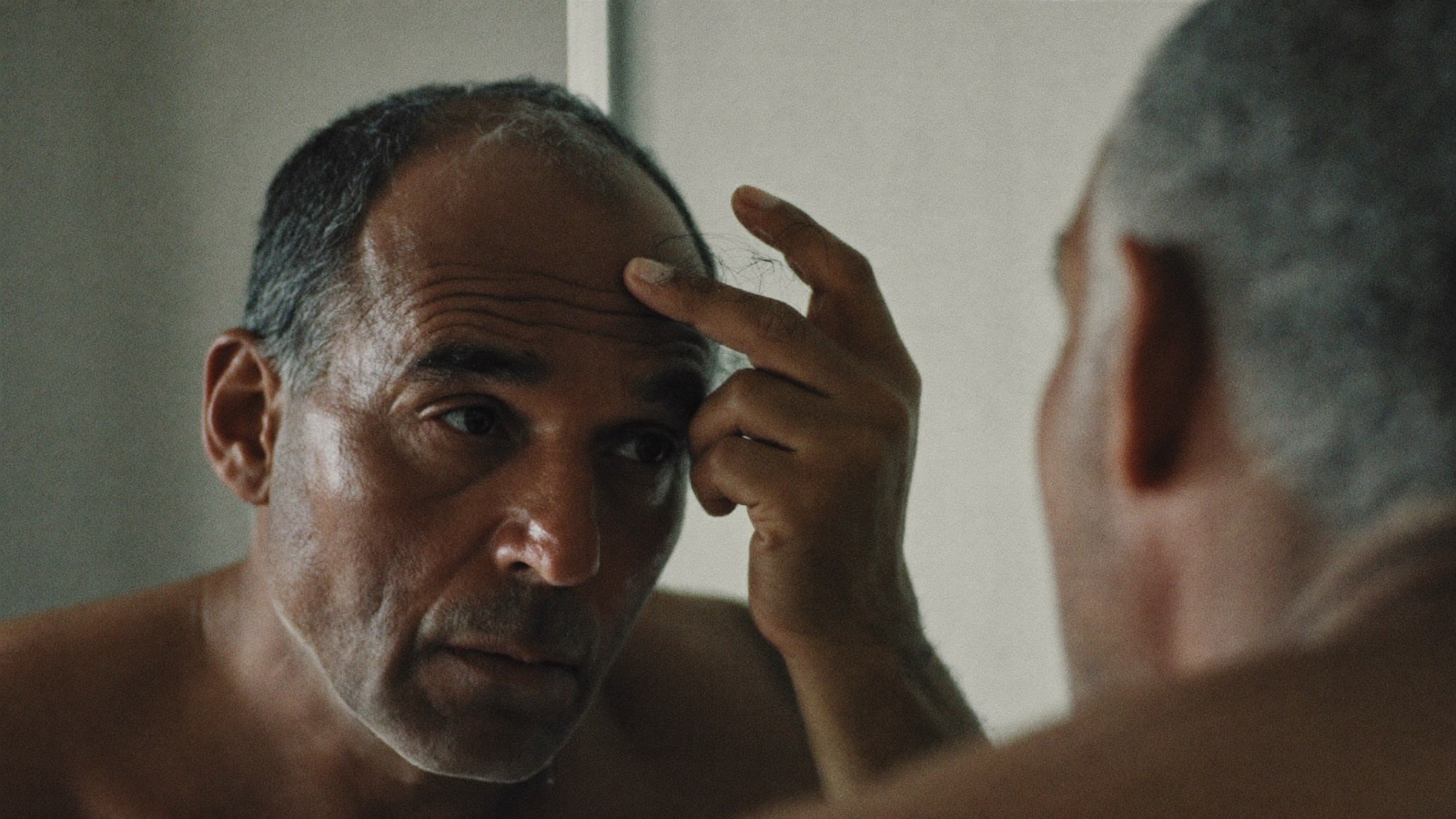
Shock loss is the shedding of hair that can happen in the weeks after a hair transplant, and for most patients it is the single most alarming part of the whole process - precisely because nobody warned them it was coming. A few weeks after surgery, the newly transplanted hairs, and sometimes nearby native hairs, fall out. It looks like the procedure has failed. In the overwhelming majority of cases it has not: shock loss is a normal, temporary phase of the hair cycle, and the hair grows back. This guide explains why it happens, what the regrowth timeline looks like, and the rare signs that are worth a call to your clinic.
If you take one thing from this article, let it be this: seeing transplanted hairs shed at week three or four is expected, not a complication. The follicle stays in the scalp. What you are losing is the hair shaft, not the root that grows it.
What Is Shock Loss?
Shock loss - known clinically as effluvium - is a temporary shedding triggered by the stress of surgery. During a transplant, follicles are moved, and the scalp around them is disturbed. In response, some follicles shift early into the telogen, or resting, phase of their natural cycle and release their existing hair shaft sooner than they otherwise would.
Crucially, the follicle itself is not lost. It rests, then re-enters the growth phase and produces a new hair. This is why shock loss, though visually dramatic, is almost always a pause rather than an ending. It can affect the transplanted grafts, the native hair around the recipient area, and occasionally hair near the donor site.
Why It Happens
The hair cycle runs in phases: a long growth phase, a short transitional phase, and a resting phase that ends with the old hair shedding as a new one pushes through. Anything that stresses the scalp can nudge a batch of follicles into the resting phase at once - and surgery is exactly that kind of stress.
Transplanted follicles are especially prone to it. They have just been removed from one part of the scalp and reimplanted in another, so shedding the existing shaft while the follicle settles and resets is a completely normal response. Native hairs near the recipient area can shed too, reacting to the local disturbance. In both cases the trigger is temporary, so the response is temporary.
Shock loss is a sign the follicle is resetting, not dying. The visible hair sheds, but the root remains in place and re-enters its growth cycle. This is why patience through weeks two to eight is one of the most important - and hardest - parts of recovery.
Transplanted Hair vs Native Hair Shock Loss
It helps to separate the two, because they behave slightly differently.
Almost universal and fully expected. The grafts shed their hair shafts within the first few weeks as the follicles settle. New growth begins around month three to four and continues to thicken. This is not a risk to the result - it is a standard stage of it.
Less predictable and not universal. Some existing hair near the recipient area may shed in response to the procedure. In the large majority of cases this native hair regrows over the following months, though miniaturising hairs already near the end of their life may not return - which is separate from the surgery.
The Shock Loss and Regrowth Timeline
Every scalp is different, but the general arc is consistent. Here is what most patients can expect:
- Days 1-14 - transplanted hairs are in place and may look their densest. Scabbing forms and clears; the grafts secure.
- Weeks 2-8 - the main shedding window. Transplanted hairs, and sometimes nearby native hairs, fall out. This is the stage that alarms patients most, and it is the most normal part of the process.
- Months 3-4 - new growth begins pushing through. Early hairs can look thin, fine, or patchy, and that is expected - they thicken with time.
- Months 6-9 - density builds noticeably. The result starts to resemble the intended outcome, though it is not finished.
- Months 12-18 - the result matures. Texture, thickness, and the naturalness of the hairline continue to refine through this period.
The single most common mistake is judging the result during the shedding window or the early, patchy regrowth. A transplant is a twelve-to-eighteen-month process, not a two-month one. Our hair transplant recovery guide walks through the full timeline in more detail, including what is happening at the donor site alongside the recipient area.
Does Everyone Get Shock Loss? What Influences It
Some shedding of transplanted hair is nearly universal, but the amount of native hair shock loss varies a great deal from person to person, and a few factors influence it. None of them are worth losing sleep over, but they help explain why two people can have quite different experiences.
- How advanced the surrounding loss is - native hair that is already thinning and miniaturising is more likely to shed and less likely to fully return, simply because it was closer to the end of its cycle anyway.
- How dense the recipient area is - placing grafts among a lot of existing native hair carries a slightly higher chance of temporarily shocking some of that surrounding hair than working in an area that is already bare.
- Individual healing response - scalps differ, and the same procedure can prompt more shedding in one person than another for reasons that are not always predictable.
- How well aftercare is followed - this does not usually change whether shock loss happens, but good aftercare gives the resting follicles the cleanest, calmest environment to reset and regrow.
What none of these change is the fundamental fact that transplanted follicles regrow. Native shock loss, where it happens, is mostly temporary too. So while the amount you shed is somewhat individual, the direction of travel - out, then back - is the same for almost everyone. Knowing that the variability is normal is often enough to take the panic out of the experience.
Is Shock Loss Permanent? When to Contact Your Clinic
For transplanted hair, shock loss is effectively never permanent - the whole point of using DHT-resistant donor follicles is that they regrow and keep growing. For native hair, regrowth is the norm, though hairs that were already miniaturising and close to the end of their natural life may not return; that reflects underlying pattern loss rather than the surgery itself, which is one reason ongoing loss is often managed medically.
Shock loss is expected. What is not routine, and is worth a call to your clinic, includes signs of infection such as spreading redness, warmth, pus, or fever; significant or worsening pain rather than the mild tenderness of normal healing; or shedding that continues well beyond the usual window with no regrowth by around month six. None of these are common, but your clinic would always rather hear from you than have you worry alone - which is another advantage of having your procedure close to home rather than a flight away.
How to Support Healthy Regrowth
You cannot rush the hair cycle, but you can give it the best conditions. Follow your aftercare instructions closely through the first weeks - especially the guidance on washing, sleeping position, and avoiding strenuous activity that raises blood pressure to the scalp. Protect the area from sun, eat and hydrate well, and avoid smoking, which works against healing.
Beyond aftercare, this is where a broader plan matters. Because native hair can continue to thin independently of the transplant, many surgeons discuss medical therapy to stabilise it - the reasoning is covered in our guide to finasteride, minoxidil, and medical therapy in Canada. And if you are still researching the procedure itself and how the grafts are placed, our FUE hair transplant guide explains the technique most Toronto patients choose. The throughline is patience: trust the timeline, support the healing, and let the follicles do what they are designed to do. It is worth taking photographs every few weeks from the same angle and in the same light, rather than studying the mirror daily - progress across a twelve-month regrowth is far easier to see in a month-to-month comparison than in the small, anxious changes you notice up close each morning.
Frequently Asked Questions
Have Questions About Your Recovery?
Whether you are planning a procedure or worried about shedding after one, Dr. Martin Jugenburg (FRCSC) can talk you through what is normal and what is not - a free consultation, with no obligation.