
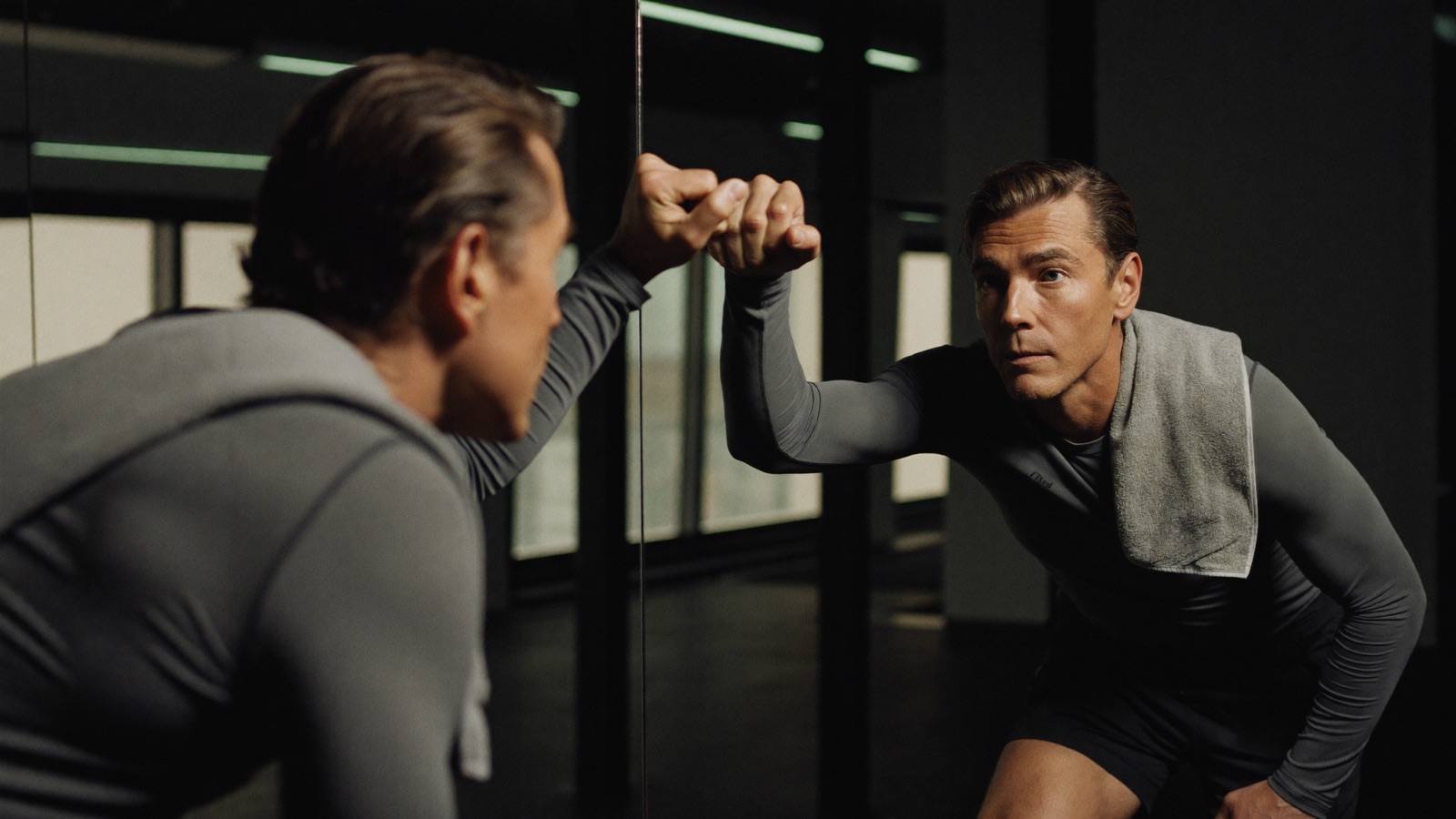
For anyone who trains regularly, the gym is often the first thing they want back. The honest answer to can I work out after a hair transplant is yes - but not immediately, and not all at once. The grafts are most vulnerable in the first week to ten days, and the things a good workout involves - sweat, a spike in blood pressure, impact, and tight headgear - are exactly what fresh grafts need protecting from. Ease back in on a sensible timeline and you lose nothing; rush it and you risk the very result you paid for.
This guide lays out when each kind of activity can safely resume, why the early restrictions exist, and how to ease back without a setback. It sits alongside our week-by-week recovery guide and the clinic's full hair transplant recovery instructions for Toronto patients, which your own aftercare plan will always take precedence over.
The Short Answer: Ease Back In, Don't Rush
Gentle movement returns within a few days; strenuous training waits a couple of weeks. As a general pattern, light walking is fine almost immediately, light cardio returns toward the end of the first week, and heavy lifting, intense cardio, and contact sports wait until around the two-to-four-week mark depending on the activity. Your surgical team will give you specifics for your case, but the principle is simple: the more an activity raises your heart rate, makes you sweat, or risks a knock to the head, the longer it waits.
The three things to avoid early: heavy sweating (it can irritate healing grafts and the donor area), big blood-pressure spikes from heavy lifting or intense cardio (which can aggravate swelling), and any impact or tight headgear that puts pressure on the recipient area. Almost every exercise restriction traces back to one of these.
Why Exercise Is Restricted at First
The restrictions are not arbitrary. In the first days the transplanted follicles are settling into place and the donor area is healing, and vigorous activity works against both. Heavy sweating keeps the scalp damp and can irritate the healing sites. A sharp rise in blood pressure from maximal lifting or hard intervals can worsen the mild swelling that some people get early on. And anything with contact, or that requires a helmet or tight cap, risks direct pressure or a knock to grafts that have not yet anchored. Give the scalp its short settling window and these risks fall away quickly.
A Timeline for Returning to Exercise
The exact dates depend on your procedure and your clinic's guidance, but the following is a typical, cautious progression:
Days 1-3
Rest. Gentle walking around the house is fine and even helpful for circulation, but nothing that raises your heart rate or brings on a sweat. No bending with your head down.
Days 4-7
Light, steady walking outdoors is usually comfortable. Still no gym sessions, running, or resistance work - the scabs are still present and the grafts are settling.
Weeks 2-3
Light cardio and gentle, low-intensity movement often resume. Keep sweat moderate, avoid heavy lifting, and stop if anything feels tight or throbbing around the scalp.
Week 4 Onward
Most people return to their full routine - weights, intense cardio, classes - around this point. Contact sports and swimming are often the last to come back; confirm the timing with your clinic.
Think of it as a ramp rather than a switch. Even once you are cleared for your full routine, building the intensity back over a session or two is wiser than returning straight to a personal best.
Activity-by-Activity Guide
Because "exercise" covers everything from a stroll to contact rugby, it helps to look at the common activities individually:
- Walking: the safest option, fine from the first days at an easy pace. A good way to stay active while the grafts settle.
- Running and cardio: light, steady cardio generally returns in the second week; hard intervals and long hot runs wait longer because of sweat and heart-rate spikes.
- Weightlifting: one of the later returns. Heavy, straining lifts raise blood pressure sharply, so these typically wait until around week three to four and then build back up gradually.
- Yoga: gentle flows can resume earlier, but avoid inversions and head-down positions that increase pressure to the scalp, and skip hot yoga entirely in the early weeks because of the heat and heavy sweat.
- Swimming: usually one of the last activities cleared, since chlorinated and open water carry an irritation and infection risk for healing skin. Wait for your clinic's go-ahead.
- Cycling: a stationary bike at an easy pace can return reasonably early; outdoor cycling waits longer because a helmet presses on the recipient area.
- Contact and team sports: anything with a risk of a knock to the head waits the longest - the grafts must be well anchored first.
Sweat, Helmets, and the Donor Area
Three practical points catch people out. First, sweat: it is the most common reason a keen gym-goer is told to wait, so if you do light activity early, keep it gentle enough that you are not perspiring heavily, and follow your gentle cleansing routine afterward. Second, headgear: helmets for cycling, climbing, or contact sports, and tight sweatbands or caps, all press directly on the recipient zone, so they stay off until the grafts are secure. Third, the donor area: it is healing too, and heavy back and shoulder work can pull on it, so ease back into upper-body training rather than loading it immediately.
None of this is unique to one technique - the same sensible caution applies whether you have had a session explained during your FUE hair transplant in Toronto consultation or any other approach, because it is the healing scalp, not the method, that sets the pace.
Warning Signs You've Pushed Too Hard
Easing back on the timeline above keeps most people out of trouble, but it helps to know what overdoing it looks like so you can dial back early rather than after a problem. During or after a session, pause and check in with your clinic if you notice any of the following:
- Returning or worsening redness across the recipient area after it had started to settle - a sign the activity irritated the healing skin.
- Throbbing or a tight, pressured feeling in the scalp during exertion, which can accompany the blood-pressure spike heavy effort causes.
- Any bleeding, oozing, or a graft that looks dislodged - stop immediately and contact the clinic rather than carrying on.
- Fresh or increased swelling after a session, particularly across the forehead, suggesting the intensity was too much too soon.
- A scalp left sweat-soaked for a prolonged period - rinse gently as instructed and keep the next session lighter and cooler.
None of these are common when you follow a cautious progression, and most resolve simply by stepping the intensity back down for a few days. The point is that they are signals to adjust, not to panic - your clinic would far rather hear from you early than have you train through something that sets the result back. When in doubt, treat the scalp as the limiting factor and let it, not your usual training ego, set the pace for a couple of weeks.
Easing Back Without Setting Yourself Back
The goal is to return to training with your result intact, and a few habits make that easy. Build intensity gradually rather than jumping straight back to maximal effort. Stay well hydrated and keep early sessions cool to limit sweat. Stop and check in with your clinic if you notice redness, tenderness, or throbbing around the grafts during or after activity. And resist comparing your timeline to someone else's online - graft count, the area treated, and individual healing all shift the dates, which is part of why the clinic you choose and the aftercare it provides matter. Our guide to choosing a hair transplant clinic in Toronto covers the kind of clear, written aftercare a good clinic should give you, exercise guidance included.
Handled this way, working out after a hair transplant is a short pause rather than a long layoff. A couple of weeks of easing back is a small price for protecting a result that is meant to last.
Frequently Asked Questions
Plan Your Training Around Your Recovery
Dr. Martin Jugenburg (FRCSC) and the Nova Medical Toronto team can give you clear, written aftercare - exercise guidance included - and plan the timing around your routine. A free, private consultation downtown, with no obligation.