
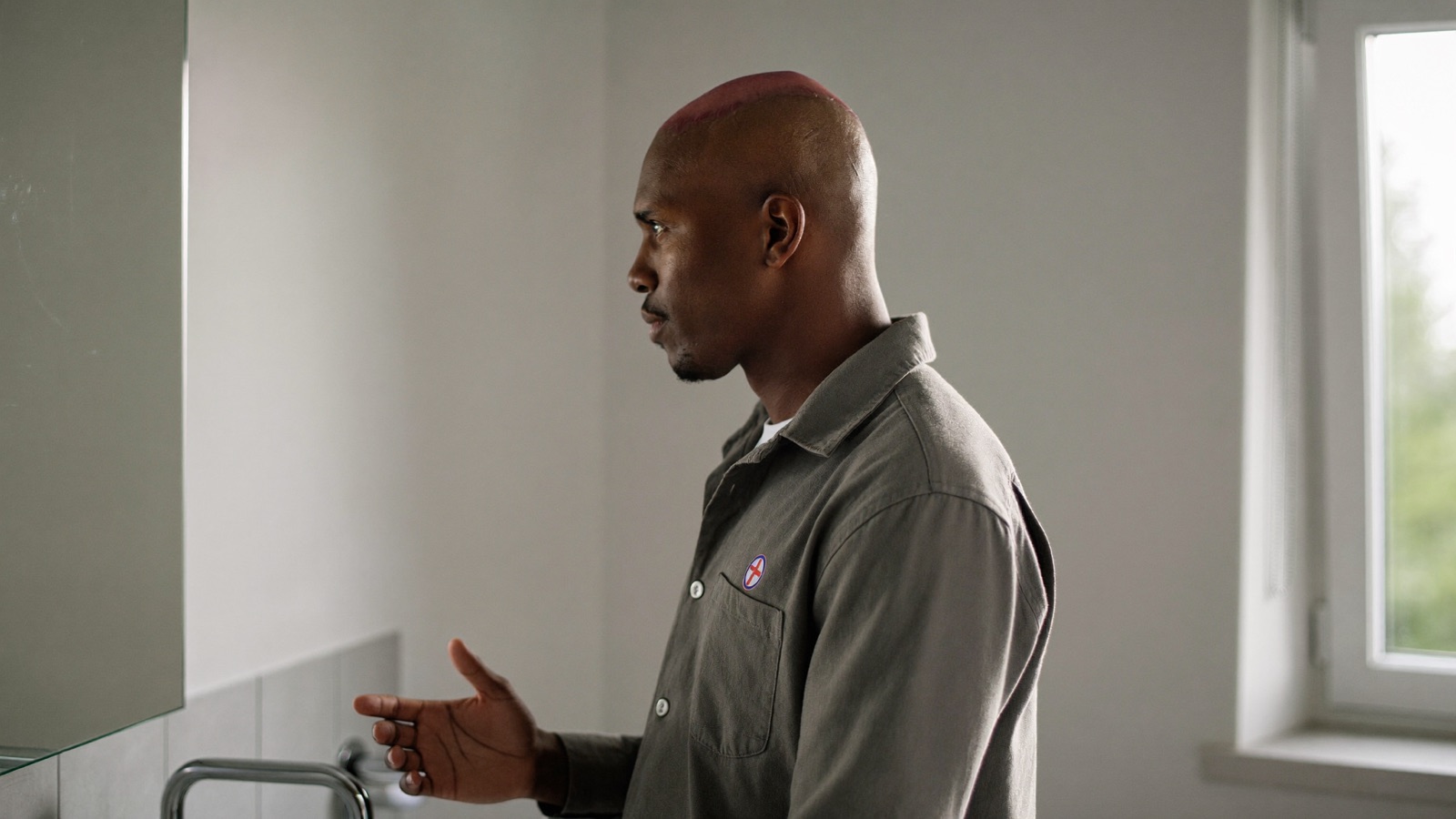
For many patients, the most visible part of recovery is not the scabs or the swelling but the colour. A red scalp after a hair transplant is completely normal, and for most people it fades within a few weeks. For others, particularly those with fair skin, a pink tone can linger for a few months. Knowing what to expect matters, because redness is often what decides when you feel comfortable going back to work, seeing friends or appearing on camera. This guide explains why the scalp turns red, how long it usually lasts, what affects it, how to reduce its appearance safely and when redness is a sign you should contact your clinic.
How Long Redness Lasts After a Hair Transplant
The short answer: for most patients, noticeable redness after a hair transplant fades within two to four weeks. A lighter pink tone in the recipient area can remain for one to three months, and occasionally longer in people with very fair or sensitive skin. Redness that gradually fades is normal healing. Redness that spreads or gets worse after the first few days is not, and should be checked.
Those ranges are general. How quickly your scalp settles depends on your skin type, how large the procedure was, how your body heals and how carefully the scalp is protected in the first weeks. Your clinic can give you a more personal estimate once they see how you are healing.
It also helps to separate redness from the other visible signs of early recovery. Scabs, mild swelling and small crusts around each graft are separate from the underlying pink colour of the skin. The scabs usually wash away by around day ten to fourteen. The pink tone is what remains afterward, and it is what most patients are asking about when they wonder when their scalp will look normal again.
Why the Scalp Goes Red: Blood Supply and Healing
Redness is a direct result of how the body heals. During a hair transplant, thousands of tiny incisions are made in the recipient area to receive the grafts. The body responds by increasing blood flow to that area, bringing oxygen, nutrients and repair cells to close the incisions and support the new grafts as they establish their own blood supply.
That increased circulation is visible as redness, especially in the first one to two weeks. As the incisions close and the grafts settle, the extra blood flow gradually reduces and the colour fades. New small blood vessels that form during healing can keep the area slightly pink for a little longer, which is why a soft pink tone can outlast the initial redness by several weeks.
In other words, a red scalp is not a sign that something has gone wrong. It is a visible sign that the area is being supplied with what it needs to heal. The goal is not to stop it, but to avoid things that make it worse or slower to fade.
The Redness Timeline: Week by Week
Every patient heals differently, but the pattern is consistent enough to plan around. This table is a general guide.
| Period | What the recipient area usually looks like | What is happening |
| Days 1 to 3 | Clearly red, with small crusts around each graft and some swelling | Peak inflammation and blood flow as incisions begin to close |
| Days 4 to 10 | Red to deep pink, scabs forming and starting to loosen | Healing under way, grafts anchoring |
| Weeks 2 to 4 | Pink, scabs mostly gone, redness noticeably fading | Skin surface closed, circulation settling |
| Months 1 to 2 | Light pink in many patients, near normal in others | New small blood vessels still settling |
| Months 2 to 3 | Normal skin colour for most patients, faint pink in some fair-skinned patients | Healing largely complete |
Redness sits alongside the other milestones of recovery, from washing to exercise and the return to work. Our hair transplant recovery guide sets out the full picture, and the week-by-week recovery breakdown walks through each stage of the first months in detail. If you want a visual sense of how healing progresses, the before and after gallery shows what results look like once the scalp has settled.
Why Fair Skin Stays Red Longer Than Darker Skin
Skin tone is the single biggest factor in how long redness is visible. It is not that fair skin heals more slowly. It is that the same amount of healing shows more clearly through lighter skin.
Fair or very light skin. Redness is most noticeable and tends to remain visible as a pink tone for longer, often six to twelve weeks and sometimes up to three months or a little more. People with skin that flushes easily or that is prone to rosacea may notice it for longest.
Medium or olive skin. Redness is usually less obvious and often fades within three to six weeks. Some patients notice a slightly darker or warmer tone rather than pink.
Darker skin. Redness is often barely visible. Instead, some patients notice temporary darkening of the treated area, which also fades over the following weeks and months. Anyone with darker skin who tends to develop marks that stay darker after a cut or blemish should mention this at their consultation, since it can affect how the area is cared for while healing.
Whatever your skin type, the redness or discolouration is temporary. If you are planning around a specific event, discuss your skin type with your clinic beforehand so the timing allows enough healing.
Donor Area Redness Versus Recipient Area Redness
The two areas of the scalp involved in a hair transplant look different as they heal.
The recipient area, where the grafts were placed, usually has the most noticeable redness, partly because it is at the front or top of the head and partly because the hair is not yet there to cover it. This is the area that most patients want to conceal in the first weeks.
The donor area, at the back and sides of the head where follicles were extracted, also goes red at first, with small pink dots where each follicle was removed. These usually fade faster than the recipient area, and the surrounding hair grows back over them within a couple of weeks, so the donor area is rarely visible for long unless the hair is kept very short.
Uneven redness between the two areas, or between one side of the head and the other, is common and usually reflects where more grafts were placed or extracted. It evens out as healing continues.
What Makes Redness Worse: Sun, Heat, Alcohol and Exercise
Several everyday factors increase blood flow to the scalp or irritate healing skin. Avoiding them in the first weeks helps redness fade sooner.
- Sun exposure. Ultraviolet light on healing skin can intensify and prolong redness and may cause uneven pigmentation. Protect the scalp from direct sun for at least the first several weeks, ideally with a loose hat once your clinic allows one.
- Heat. Hot showers, saunas, steam rooms and hot tubs all increase blood flow to the skin. Lukewarm water is better in the first weeks.
- Alcohol. Alcohol widens blood vessels and can make the scalp flush. Most clinics advise avoiding it for the first several days, and limiting it during the first weeks.
- Strenuous exercise. Hard workouts raise blood pressure and heart rate, which makes the scalp redder and can increase swelling. Light walking is usually fine early, with more intense exercise reintroduced gradually as your clinic advises.
- Scratching and rubbing. Irritating the skin, even through itching, adds redness of its own and risks the grafts in the first weeks.
- Harsh products. Fragranced, medicated or exfoliating shampoos and styling products can irritate healing skin. Gentle, simple products are better until your clinic says otherwise.
Safe Ways To Reduce the Appearance of Redness
There is no way to make healing skin instantly pale, but there are safe ways to support healing and make the redness less noticeable while it fades.
Follow your washing routine. Gentle, regular washing removes crusts and keeps the skin calm and clean. Our guide to washing your hair after a transplant explains the method and schedule.
Keep the scalp hydrated. Saline spray in the first days, and later a plain, fragrance-free moisturiser if your clinic allows it, helps the skin settle and can reduce the tight, flushed look.
Protect it from the sun. A loose hat outdoors is one of the most effective things you can do to stop redness lasting longer than it needs to.
Be cautious with cosmetic cover-ups. Concealer, tinted scalp powders and hair fibres can hide residual pinkness, but they should not be used on healing skin. Most clinics advise waiting several weeks, until the skin is fully closed and the scabs are long gone, before using any of them. Ask your clinic before you start.
Plan your timing. For many patients, the most practical approach is to schedule the procedure so the most visible phase falls during time off. Our guide to hiding a hair transplant at work covers hairstyles, headwear and timing in detail.
When Redness Is a Warning Sign Rather Than Normal Healing
The pattern of normal redness is steady improvement. The time to contact your clinic is when the pattern goes the other way, or when redness comes with other symptoms.
Contact your clinic if: redness spreads beyond the treated area or gets worse after the first three to four days, the area becomes increasingly warm, swollen or painful, you see yellow or green discharge or notice an unpleasant smell, you develop a fever, a rash or intense itching appears after starting a new product, or painful pus-filled bumps develop in the months after surgery.
Most of these are uncommon. Infection after a hair transplant is rare because the scalp has a strong blood supply, but early treatment matters when it does happen. A reaction to a new shampoo or lotion is usually resolved simply by stopping the product. Small bumps in the growth months are often inflamed or ingrown follicles, which generally settle or respond to simple treatment.
Redness that is simply fading more slowly than you hoped is not a warning sign on its own. If it is still clearly visible after three months, it is reasonable to mention it at your follow-up so the clinic can look at it, but in most cases it continues to fade with time.
Planning Your Recovery Around Work or Events?
A private assessment with Dr. Martin Jugenburg (FRCSC) covers how your skin type is likely to heal, how long redness may be visible and how to time your procedure around your schedule. If you are already a Nova Medical patient, call us any time you are unsure.