
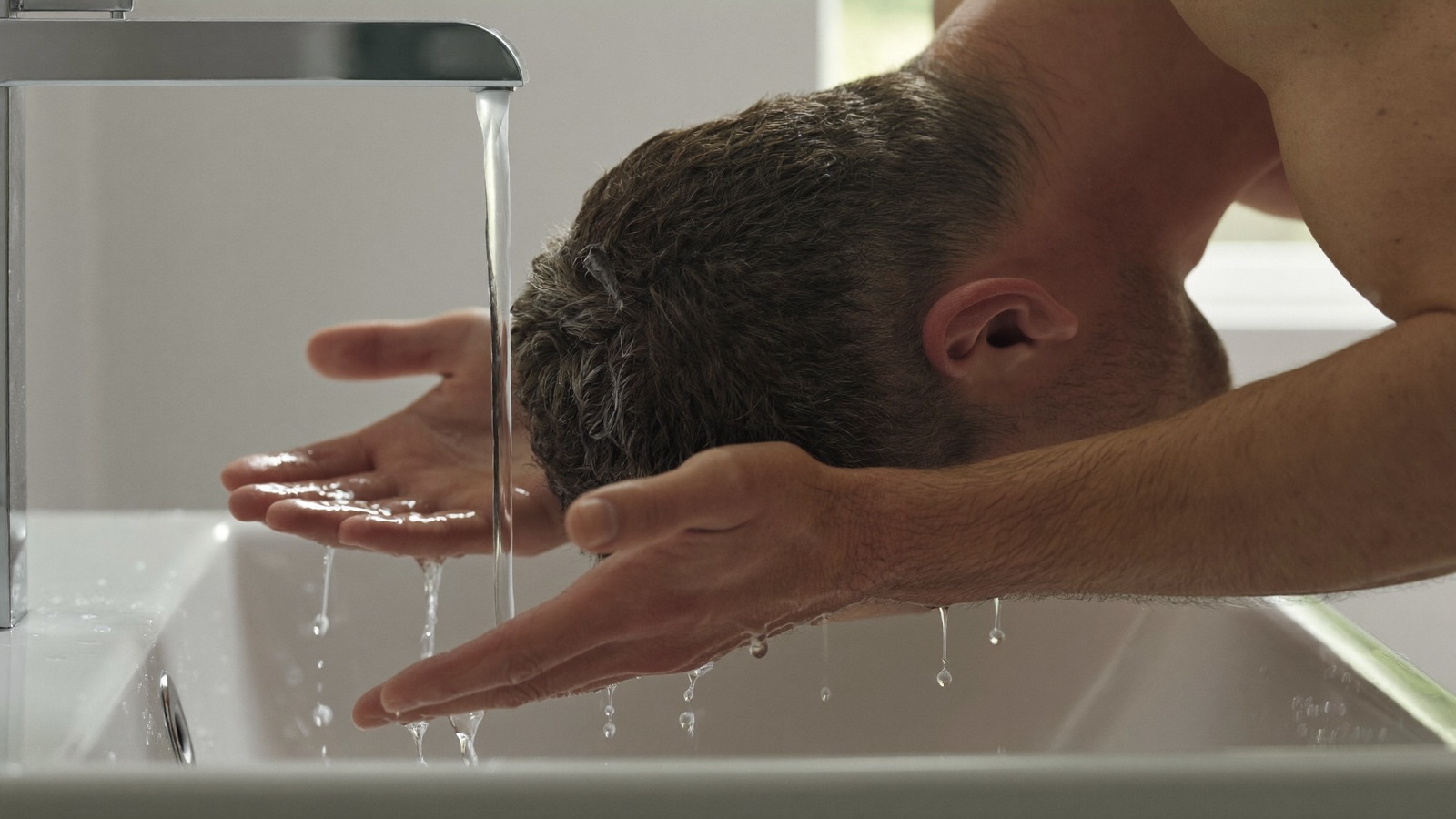
The first wash is one of the moments patients worry about most. For days you have been told not to touch your scalp, and now you are expected to put water and shampoo on the very area you have been protecting. Washing hair after a hair transplant is not only safe when it is done correctly, it is an important part of healing: it keeps the scalp clean, softens scabs so they shed on time and reduces itching. The key is timing and technique. This guide covers when to start, the day-by-day schedule, a step-by-step method for the first wash, and the habits that protect your grafts while they settle.
When You Can Wash Your Hair After a Transplant
The short answer: most clinics have patients start gentle washing on day one to three after a hair transplant, using a specific soft technique: pouring or cupping water rather than using the shower jet, and patting rather than rubbing. From around day ten, when grafts are secure and most scabs have shed, normal washing usually resumes.
The exact start day varies between clinics. Some carry out the first wash at the clinic the day after surgery and show you how. Others give written instructions to start at home on day two or three. Either approach is fine. What matters is that you follow the schedule and method your own clinic gives you, because it reflects how your procedure was done.
Skipping washing out of caution is a common mistake. A scalp that is not washed builds up dried blood and thick crusts, which itch more, take longer to shed and can trap bacteria. Gentle, regular washing is one of the most useful things you can do for a smooth recovery.
Why the First Wash Is Handled Differently
For the first several days, each graft sits in a small incision held by early clotting and the first stages of healing. It is not yet anchored by new tissue. Direct water pressure, rubbing with fingertips or drying with a towel can disturb scabs before they are ready and, in the first days, the grafts beneath them.
That is why the first washes rely on gravity and soft contact rather than force. The aim is to let clean water and a mild shampoo soften the surface, then rinse it away without anything dragging across the recipient area. The donor area at the back of the head contains no grafts and can be washed a little more normally, though it is still a healing wound and benefits from gentle handling.
Your clinic's aftercare protocol will describe this in detail. At Nova Medical, the washing schedule and technique are part of the written aftercare in the Nova Medical FUE protocol, so patients go home knowing exactly what to do on each day.
The Day-by-Day Washing Schedule
This table describes a typical schedule. Confirm the details with your clinic, since the start day and the products used can differ.
| Period | How to wash | What to expect |
| Days 1 to 3 | First gentle washes as instructed: lather in your hands, pat onto the scalp, pour water to rinse. No shower jet. Pat dry or air dry. | Some dried blood rinses away. Scalp feels tight and tender. |
| Days 4 to 7 | Same technique once or twice daily. Light pressure with flat fingertips may be allowed on the recipient area if your clinic says so. | Scabs are drying and may itch. Do not pick them. |
| Days 7 to 10 | Gentle washing continues. Slightly firmer fingertip pressure is often permitted to help loosen scabs. | Scabs soften and begin to lift with washing. |
| Day 10 to 14 | Most patients return to normal washing, with a low-pressure shower allowed on the scalp. | Most scabs have shed. Grafts are secure. |
| Week 3 onward | Normal routine, including your usual shampoo if your clinic approves it. | Some transplanted hairs may shed, which is expected. |
The most important milestone is around day ten. Before then, the scalp needs careful handling. After it, washing is mostly about comfort and hygiene. Our hair transplant recovery guide shows how this lines up with swelling, sleep, exercise and the return to work.
Step-by-Step Method for the First Wash
This is a typical first-wash method. It works at a sink, in the shower with the head kept out of the direct spray, or with a cup or jug while leaning forward.
- Wash your hands thoroughly. Clean hands reduce the chance of bringing bacteria to healing skin.
- Prepare lukewarm water. Fill a cup, jug or clean bowl with lukewarm, not hot, water. Test it on your wrist first.
- Wet the scalp by pouring. Lean forward over a sink or stand in the shower with your head out of the spray, and pour water gently over the scalp. Let gravity do the work.
- Lather in your hands, not on your head. Put a small amount of the shampoo your clinic recommended into your palm, add a little water and work it into a light foam between your hands.
- Pat the foam onto the scalp. Apply it to the recipient area with gentle, flat dabbing motions. Do not rub, scratch or massage. On the donor area, gentle fingertip contact is usually fine.
- Leave it for a moment. Many clinics suggest letting the foam sit for a minute or two to soften dried blood and crusts.
- Rinse by pouring again. Pour cupfuls of lukewarm water over the scalp until all the foam is gone. Take your time and rinse thoroughly.
- Dry by patting or air drying. Gently pat the donor area with a clean, soft towel or paper towel. Let the recipient area air dry, or dab it extremely lightly. Never rub.
Some clinics also recommend applying a lotion or conditioner to soften crusts before the first washes. If yours does, follow the instructions for how long to leave it on and how to rinse it away.
Water Temperature, Pressure and How To Dry
Temperature. Lukewarm is right. Hot water increases blood flow and swelling in the first days and can irritate healing skin. Cold water is not harmful but is uncomfortable and less effective at loosening crusts.
Pressure. In the first ten days, keep direct shower spray off the recipient area. Many patients shower with their back to the water so the body is washed normally while the head stays out of the stream. A handheld shower on its gentlest setting, held low and angled away, can be used once your clinic allows it, usually from around the second week.
Drying. Pat, never rub. Avoid hair dryers in the first two weeks, and when you start using one again, keep it on a cool or low setting and hold it well away from the scalp. Do not wrap a towel tightly around your head in the first week.
Frequency. Once or twice a day is typical in the first ten days, depending on your clinic's instructions. Washing too often is rarely a problem if the technique is gentle. Not washing enough is the more common mistake.
Scabs: Why They Form, When They Fall and Why You Must Not Pick
Every graft site forms a small crust as the incision heals. These scabs are a normal part of recovery. They usually start to loosen around day five to seven and most have washed away by day ten to fourteen, helped along by regular gentle washing.
Picking or scratching scabs off before they are ready is the habit to avoid above all. A scab that is pulled away early can take a graft with it in the first week, and even when it does not, it leaves the skin irritated, sometimes bleeding, and more prone to itching. If something has already happened, our guide to what to do if you scratch or bump a graft explains how to tell whether anything was dislodged, which in most cases it was not.
Scabs are also one of the main causes of itching in the first two weeks. If that is the hardest part of your recovery, our article on why your scalp itches after a hair transplant covers safe ways to relieve it without touching the grafts.
If scabs are still firmly attached after two weeks, do not start scrubbing. Tell your clinic. They may suggest a softening routine or want to look at the area.
Shampoo Types That Are Safe and What To Avoid
In the first weeks, the right shampoo is a gentle one. Many clinics provide a specific product for the first washes. If yours does, use it as directed.
If you are choosing your own, look for a mild, fragrance-free shampoo with a simple formulation, the kind marketed for sensitive skin or babies. These clean effectively without irritating healing skin.
Avoid the following until your clinic says otherwise, usually for at least two to four weeks:
- Medicated or anti-dandruff shampoos, which contain active ingredients that can sting and dry healing skin
- Strongly fragranced or colour-treating shampoos
- Exfoliating or clarifying formulas
- Styling products such as gels, waxes, sprays and dry shampoo
- Hair dye and chemical treatments, which usually wait several weeks longer
If you used a medicated shampoo before surgery for a diagnosed scalp condition, ask your clinic when it is safe to restart, since controlling the condition matters for long-term scalp health.
First-wash checklist: clean hands, lukewarm water in a cup or jug, the shampoo your clinic recommended, a clean soft towel or paper towels, and a clear schedule from your clinic. Pour, pat, rinse, air dry. No shower jet, no rubbing, no picking, no hair dryer.
Returning to a Normal Routine and Styling
Most patients return to normal washing at around ten to fourteen days. At that stage you can usually let a gentle shower run over the scalp, use your fingertips normally and towel dry lightly.
Combing and brushing can generally resume once the scabs have gone, starting gently and avoiding dragging across the hairline. Styling products, hair dryers on warm settings and hats can be reintroduced gradually over the following weeks. Our guide to wearing a hat after a hair transplant covers headwear timing in more detail.
Haircuts with scissors are usually fine from around three to four weeks, while clippers on the donor area typically wait a little longer. Chemical treatments such as colouring generally wait four to six weeks or more. Ask your clinic before booking any of these.
Washing also fits around your other recovery habits. Many patients find washing in the evening, before settling into the elevated position described in our guide to how to sleep after a hair transplant, keeps the scalp clean and comfortable overnight.
Questions About Aftercare Before Your Procedure?
A private assessment with Dr. Martin Jugenburg (FRCSC) covers aftercare, washing and what each day of recovery involves, so nothing in the first fortnight comes as a surprise. If you are already a Nova Medical patient, call us any time you are unsure.