
Vaughan has one advantage no other area we serve can match: a direct subway. TTC Line 1 runs from Vaughan Metropolitan Centre straight through to Union Station with no transfer, and Nova Medical Hair Transplant is at 100 Front Street West, directly across the road from that station.
That sounds like a small detail and it is not. A hair transplant session commonly runs six to eight hours and does not finish to a precise schedule. On a fixed GO timetable that creates a planning problem. On a subway running every few minutes it does not, which makes Vaughan one of the more straightforward places to travel in from despite being roughly 30 to 35 kilometres north of downtown.
This page covers the routes from Vaughan, Woodbridge, Maple, Concord, Thornhill and Kleinburg, how visits are structured, and which procedures are available. Treatment planning is overseen by Dr. Martin Jugenburg, a Royal College-certified plastic surgeon (FRCSC).
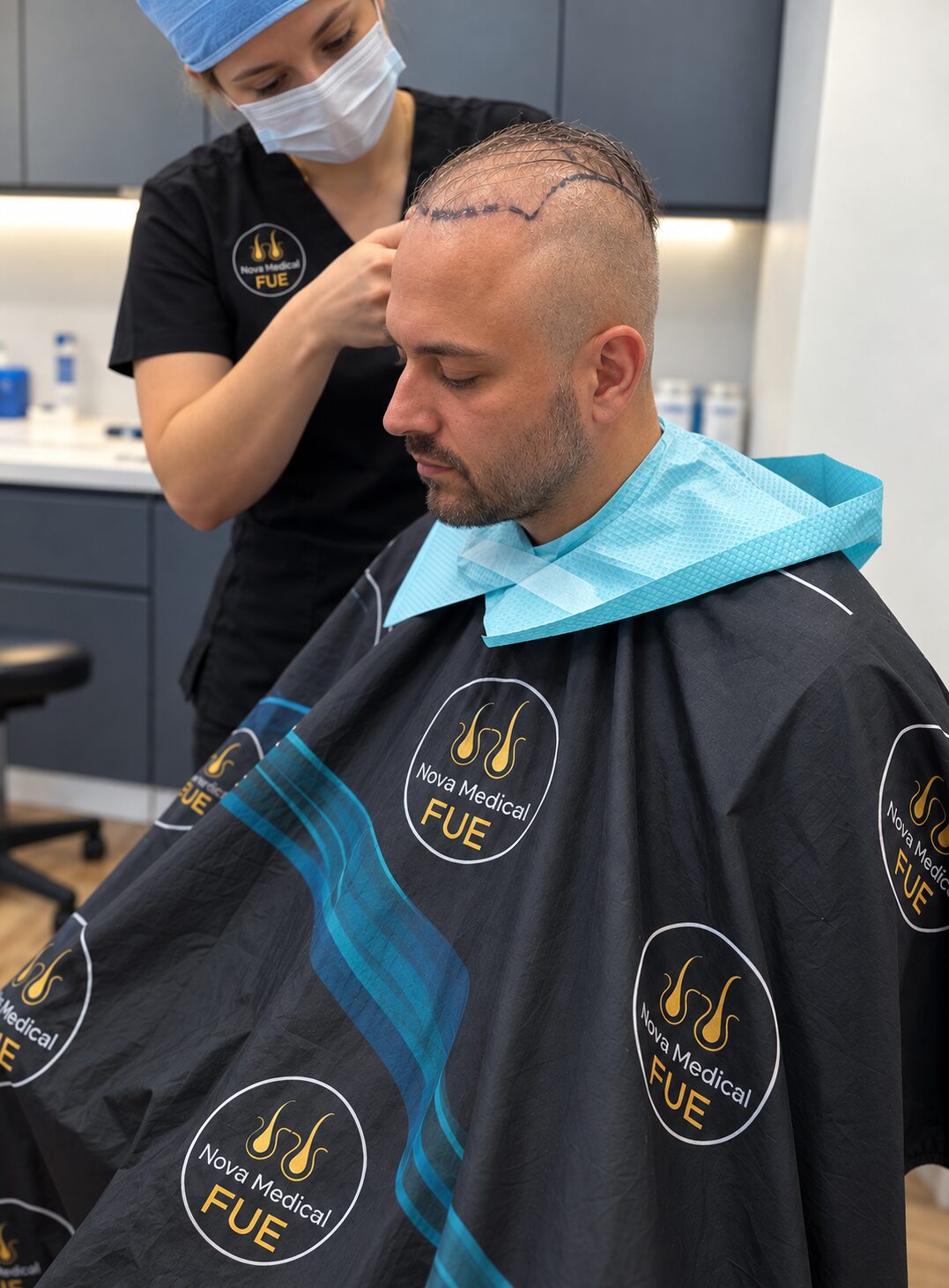
Surgical hair restoration is a specialty rather than a general service. A single FUE session commonly runs six to eight hours, requires a surgeon to design the hairline and plan the distribution of grafts, and requires a trained surgical team to handle thousands of individual follicular units without damaging them. That combination of time, team and case volume is why these clinics cluster in the core rather than spreading across the region.
With a direct subway connection, the usual calculation that leads some patients to consider overseas packages does not really apply from Vaughan. If you have been looking at those options regardless, our comparison of hair transplants in Toronto versus Turkey sets out what genuinely differs, and most of it concerns the twelve months after surgery rather than the procedure day.
Proximity matters for the long term too. Pattern hair loss progresses, and a responsible plan protects your donor supply so a second procedure remains possible years later if you need one. That is an easy commitment when your surgical team is a single subway ride away.
There are three realistic options, and for procedure day the subway is usually the one to choose.
| Route | From | Typical journey |
| TTC Line 1 subway | Vaughan Metropolitan Centre, Highway 407 or Pioneer Village | Direct to Union with no transfer, commonly around 45 to 50 minutes, running every few minutes rather than to a fixed timetable |
| GO train, Barrie line | Rutherford GO or Maple GO | Direct to Union and quicker than the subway, but on a peak-focused timetable with limited midday and evening service |
| Driving | Highway 400 or 407 to the Gardiner | Around 30 to 35 km, commonly 35 to 55 minutes outside peak and substantially longer during weekday rush, plus downtown parking |
| On arrival at Union | Union Station | The clinic is directly across Front Street, a walk of a few minutes |
You cannot drive yourself home after a hair transplant. The procedure is carried out under local anaesthetic with oral sedation, which rules out driving for the rest of the day. That leaves transit or a driver.
Between the two transit options, the Barrie line is faster but runs a peak-focused timetable, and a session finishing in the early evening may not line up with a convenient train. Line 1 runs continuously, so you can leave whenever you are ready without watching a schedule. For an appointment that genuinely cannot be timed to the minute, that flexibility is worth more than the time saving.
Patients coming from Woodbridge, Kleinburg or western Vaughan often drive to Vaughan Metropolitan Centre and take Line 1 from there, which avoids both downtown traffic and parking.
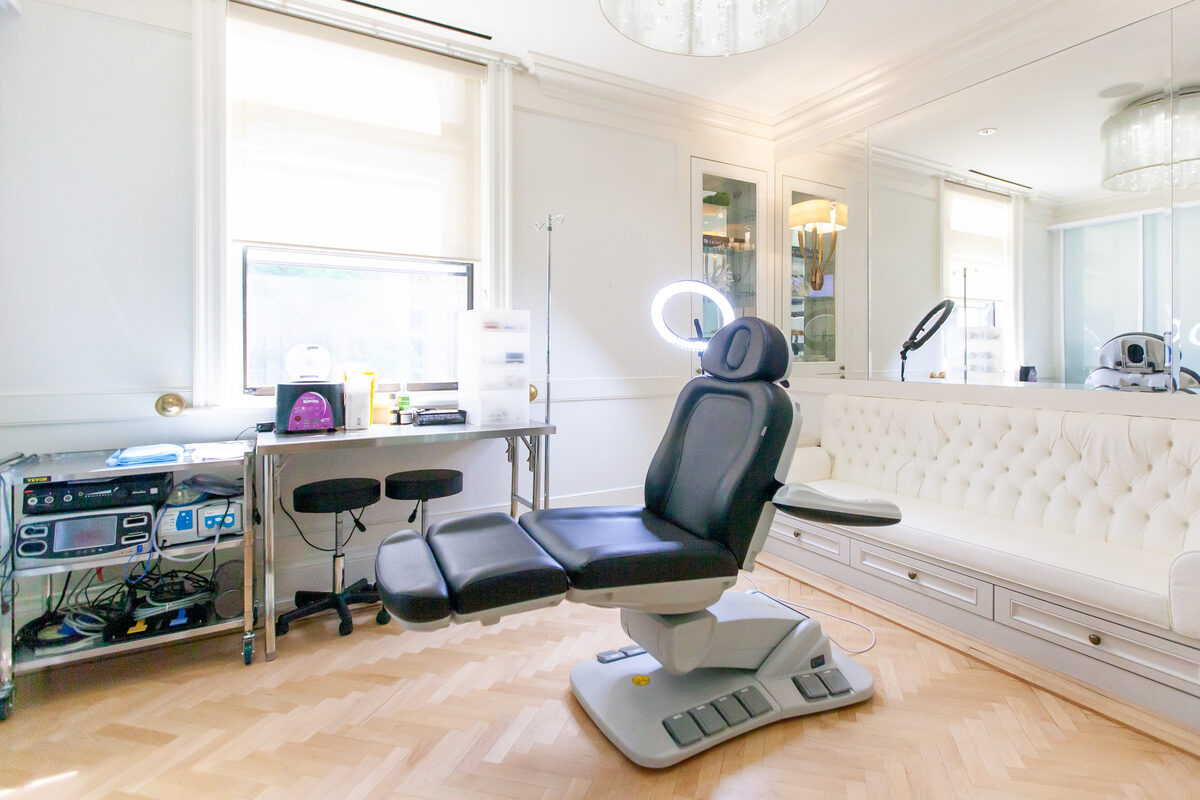
Most Vaughan patients attend in person at each stage, which is the better option where the journey allows it.
An in-person consultation to measure donor density, map your pattern of loss and agree a graft count and written plan. If the trip is inconvenient, a remote review can be arranged instead.
One day with us from the morning onward, usually six to eight hours depending on the graft count agreed. Because Line 1 runs continuously, you leave when you are ready rather than to a timetable.
A small number of reviews spread through the first twelve months. A single subway ride each way keeps these easy to attend, and seeing growth in person beats judging it from a photo.
If a remote consultation would suit you better, the practical detail is on our out-of-town patients page, which covers remote assessment and managing aftercare at a distance.
Most patients want between a few days and two weeks before they are comfortable being seen as usual, and that varies considerably by job type. Our guide to the best time to schedule a hair transplant covers choosing a date, and the week-by-week recovery guide sets out what each stage actually involves.
The appropriate technique depends on your donor supply, the pattern and extent of your loss, your hair characteristics and how you wear your hair. It is a clinical decision made at assessment.
FUE, or follicular unit extraction, is the route the majority of our patients end up taking. Individual follicular units are taken from the donor area at the back and sides of the scalp and placed into the thinning area, which leaves small dot scars rather than a linear one and allows shorter hairstyles afterwards. The FUE page covers candidacy, the procedure and the recovery timeline in detail.
FUT remains appropriate for some patients, particularly where a high graft count is needed in one session. DHI uses an implanter pen for placement. Female hair restoration follows a separate assessment pathway, since female pattern loss is often diffuse and surgical candidacy is narrower. PRP is available as a non-surgical option, and the direct subway connection makes its repeat session schedule practical from Vaughan.
To understand the likely scale before booking, see our guide to how many grafts you need. Nova Medical does not overharvest grafts, and where protecting your long-term donor supply means recommending a more conservative count or staging the work, that is what we will tell you.
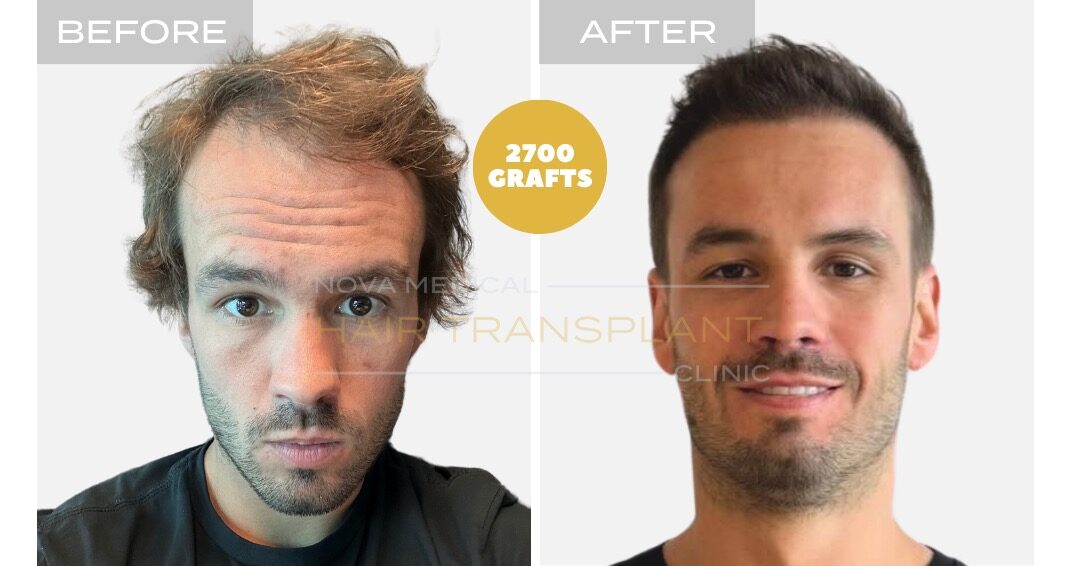
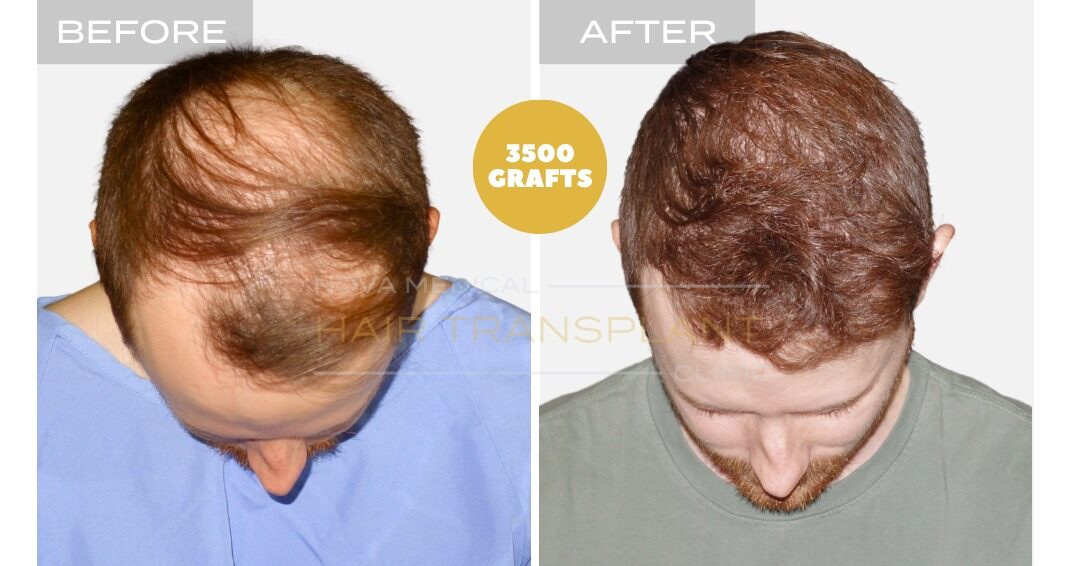
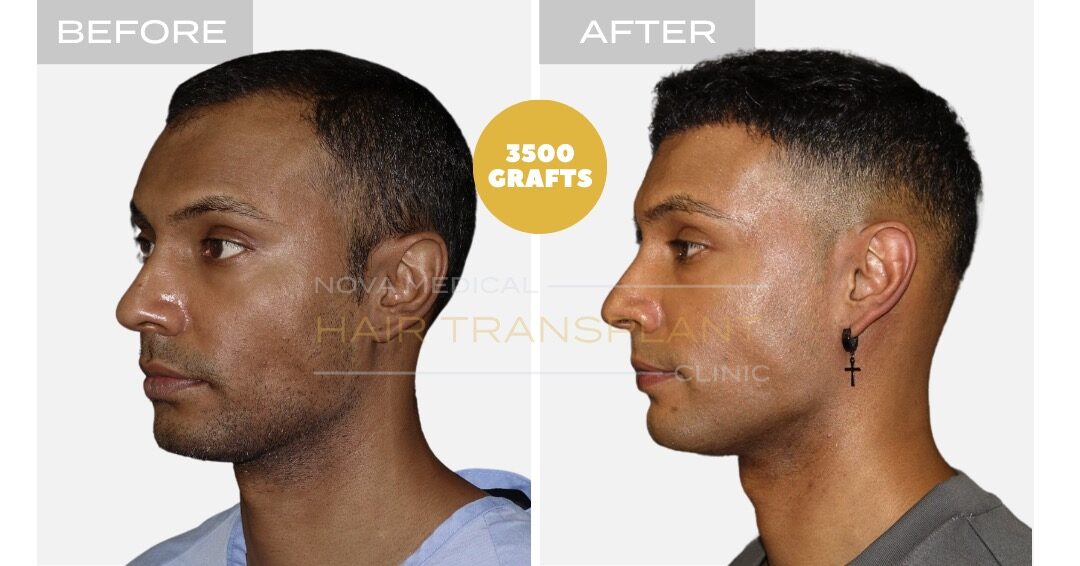
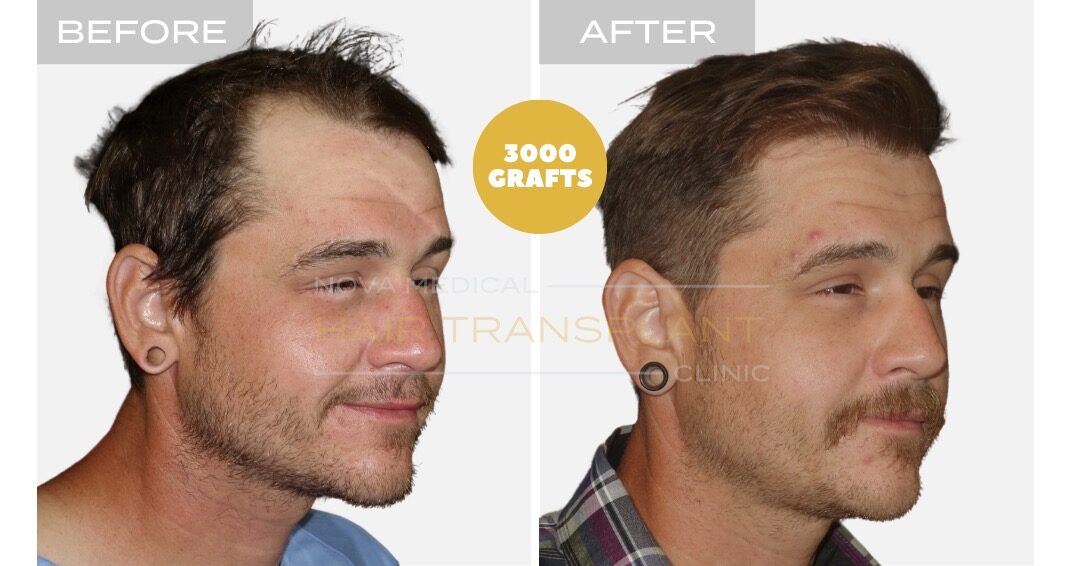
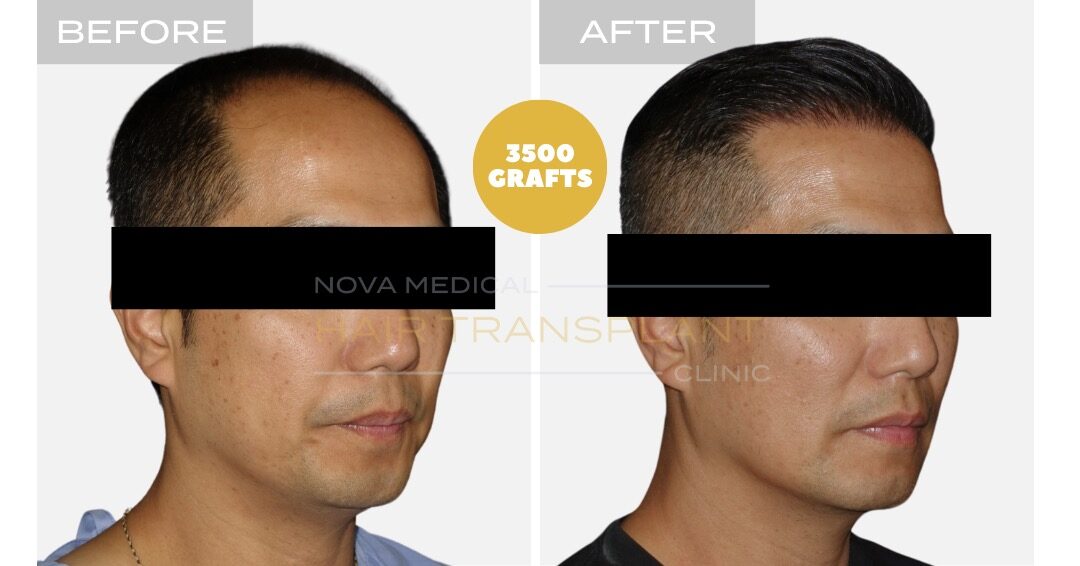
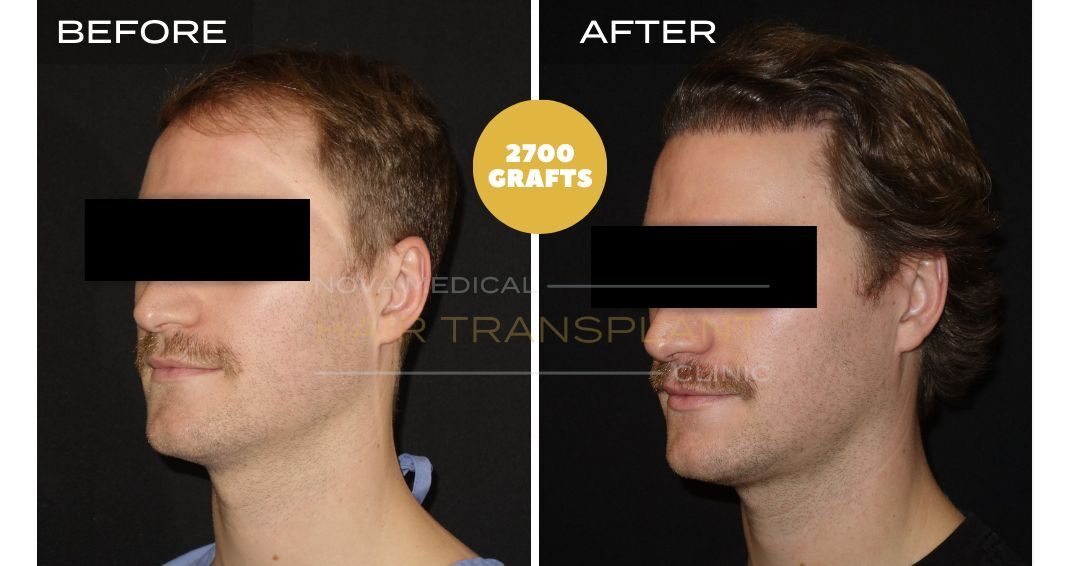
Cost is determined by graft count, technique and the length of the surgical day. It does not change based on where you travel from. Our hair transplant cost page explains what drives the figure and what is included.
Hair restoration for pattern hair loss is considered cosmetic in Ontario, so it is not covered by OHIP, and private benefit plans generally exclude it. Check your own plan rather than assuming. Hair loss arising from trauma, burns or previous surgery is assessed differently, so mention those circumstances at consultation.
From Vaughan the travel component is a transit fare and a day away from work. That is worth keeping in view if you have been comparing against overseas packages, where flights and accommodation account for a large share of the advertised price.
A private assessment with Dr. Martin Jugenburg (FRCSC) covers your donor supply, a realistic graft count and a written plan, with no obligation. Line 1 runs from Vaughan Metropolitan Centre to a station directly across the road from the clinic.